It took nearly eight years. But on the afternoon of Thursday, 23rd July, 2026 in Nairobi, a court delivered a verdict that many in Kenya had long awaited.
Justice Cecilia Githua found former Migori Governor Okoth Obado and his two associates, Michael Oyamo and Caspal Obiero, guilty of the 2018 murder of Sharon Otieno, who was a student at Rongo University whose killing shocked the nation and stirred debate about power, gender and justice.
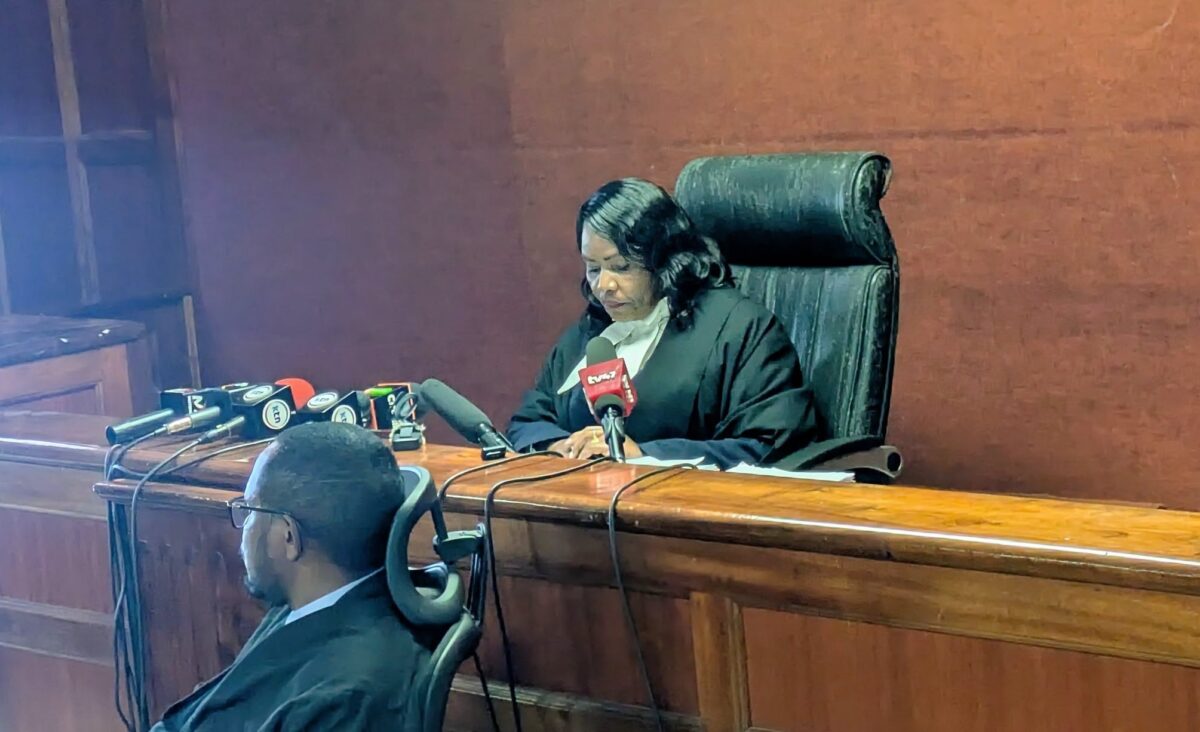
“It is therefore my finding that the prosecution has proved its case… beyond reasonable doubt,” the judge said, her words measured but final. “I consequently find each accused guilty of the offence of murder.”
For Sharon’s family, the ruling brings a measure of closure. For the country, it closes one of its most closely watched criminal trials.
A case that gripped the nation
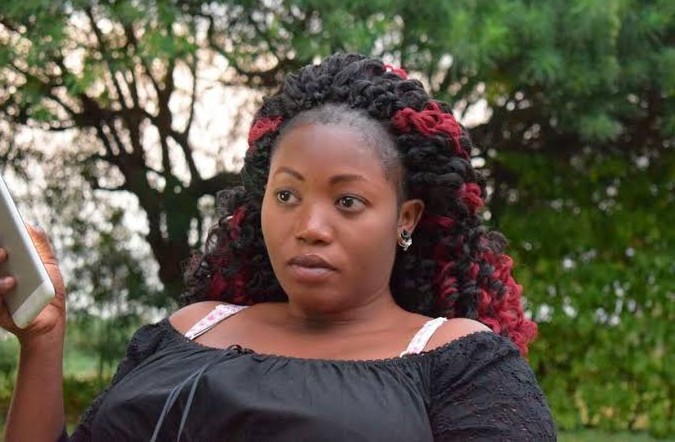
Sharon Otieno was 26. A student at Rongo University. Seven months pregnant.
On 3 September 2018, she was abducted alongside journalist Barrack Oduor after leaving a hotel in Rongo. Mr Oduor survived by jumping from the moving vehicle. Sharon did not.
Her body was later found in a thicket near Kodera Forest in Homa Bay County. She had been stabbed several times. Her unborn child died with her.
The case drew immediate public attention, not least because of its alleged links to political power. Mr Obado, then serving as governor, was later charged with her murder.
Inside the courtroom
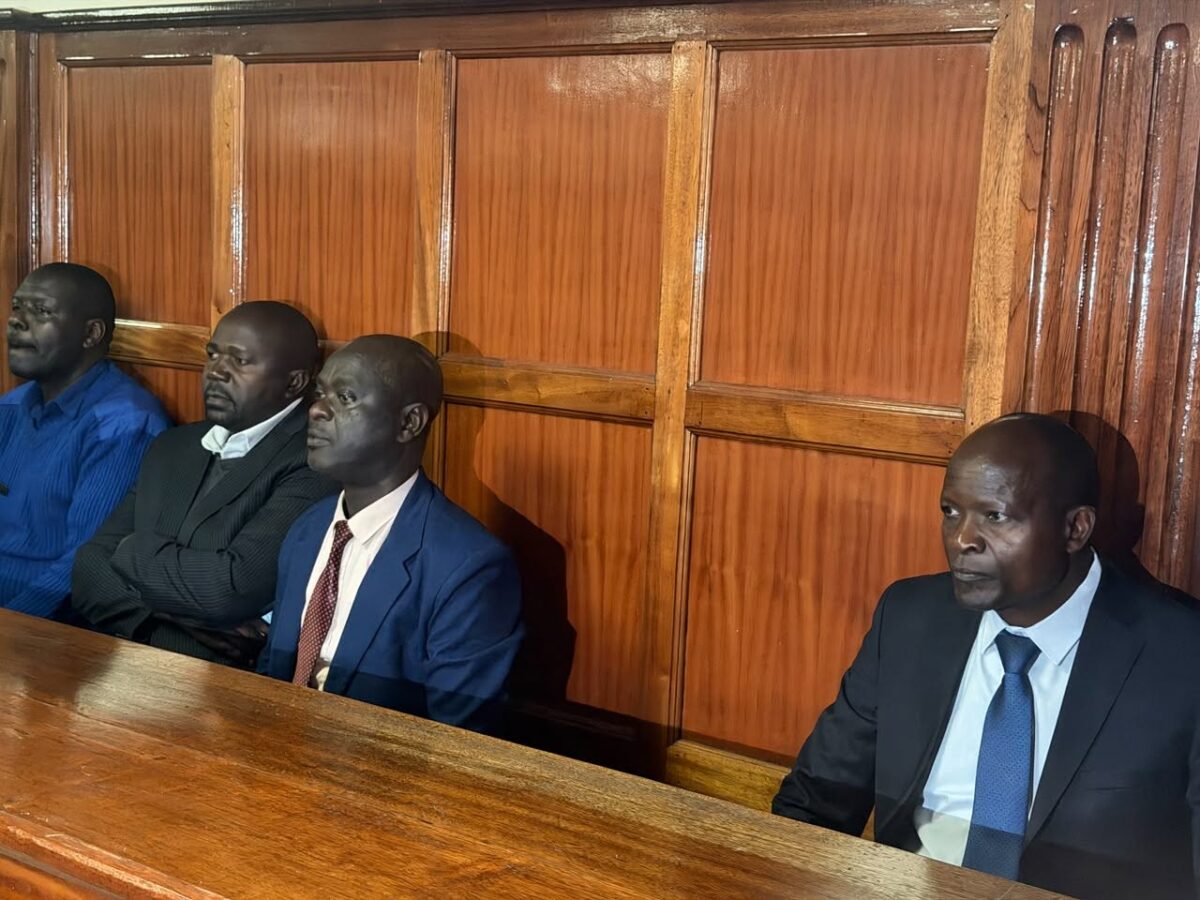
Throughout the trial, the former governor acknowledged having had an intimate relationship with Sharon and accepting responsibility for her pregnancy. He denied any role in her death.
His co-accused, Oyamo and Obiero, also denied the charges.
The defence argued that the prosecution’s case rested too heavily on circumstantial evidence, evidence they said did not meet the threshold required for a conviction.
But the prosecution told a different story. Over years of hearings, it called 42 witnesses, piecing together what it described as a coordinated plan that led to Sharon’s abduction and killing.
In her ruling, Justice Githua agreed.
She said the evidence formed “an unbroken chain” linking all three men to the crime.
Motive and method
At the centre of the case was Sharon’s pregnancy.
The court rejected Mr Obado’s claim that he had accepted it. Instead, the judge found that evidence pointed to pressure on Sharon to terminate the pregnancy.
“On the first accused’s own admission, he learned about Sharon’s pregnancy in March 2018,” the judge noted, adding that this coincided with his decision to end the relationship.
The pregnancy, she concluded, became the turning point, the factor that set the events in motion.
The court also found that Mr Obado had reason to keep the relationship from public view, citing potential reputational and political consequences.
According to the judgment, he relied on trusted aides to manage the situation.
Oyamo, the court heard, arranged a meeting at a hotel in Rongo under the guise of delivering money. Instead, the judge said, it became the moment Sharon was handed over to her attackers.
He was also found to have obtained a mobile phone line using another person’s identity, a move the court said was intended to avoid detection.
Obiero, meanwhile, was placed at the centre of the events leading to the abduction, with the court finding sufficient evidence of his involvement.
The long road to justice
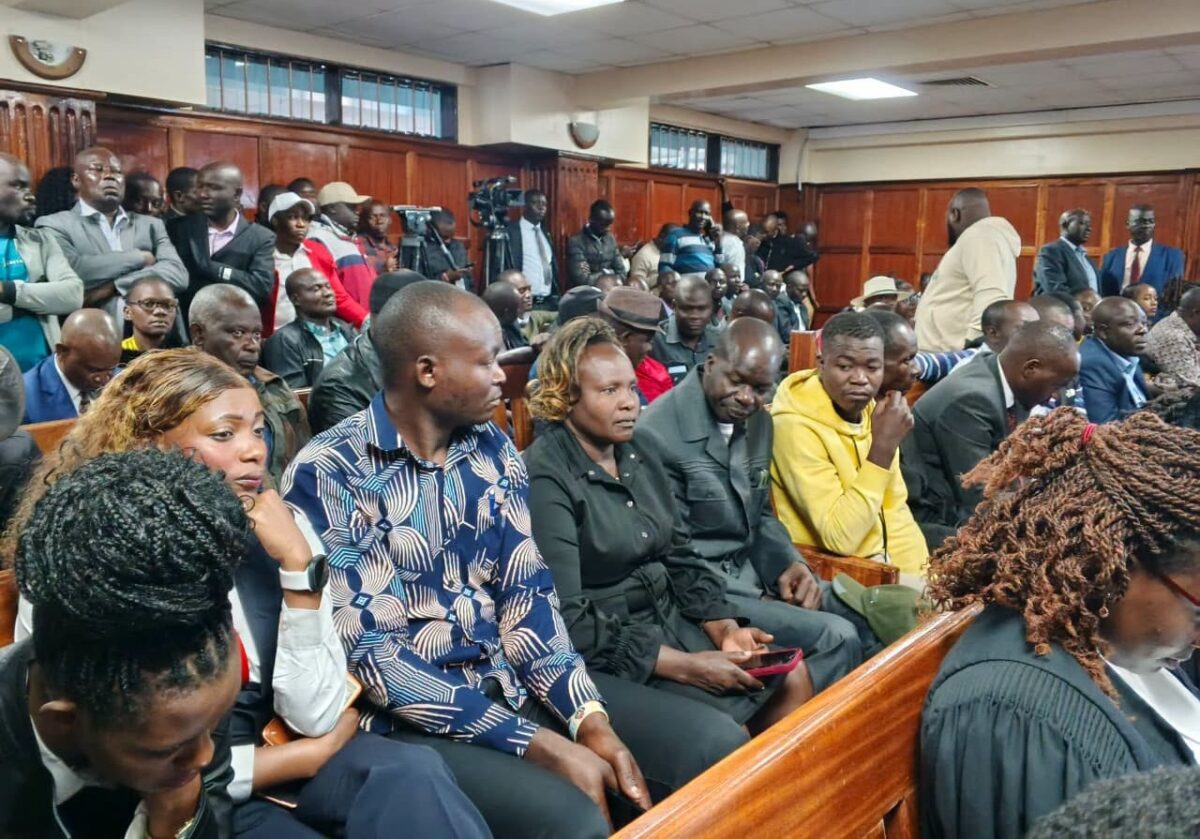
The conviction follows years of investigation, delays and intense public scrutiny.
Cases involving powerful figures often test the strength of institutions. This one was no different.
Legal analysts have long noted the challenges of relying on circumstantial evidence in criminal trials. Yet courts can convict where such evidence forms a clear and consistent narrative, a standard Justice Githua said had been met.
For supporters of the accused, the verdict may still raise questions. For others, it signals that even high-profile figures can be held to account.
A life cut short

Beyond the legal arguments lies a simpler truth.
A young woman lost her life. So did her unborn child.
Sharon Otieno’s name has come to symbolise more than a single case. It stands for the many women whose stories often go unheard.
On Thursday, a court gave its answer to what happened in September 2018.
Whether it brings full closure is another matter. But for now, the law has spoken.
About the Author