
The Democracy for Citizens Party (DCP) has claimed far more than a parliamentary seat in Ol Kalou. Its convincing victory has reshaped the political conversation around Mt Kenya and offered the strongest indication yet that the region could become one of the defining battlegrounds in Kenya’s 2027 General Election.
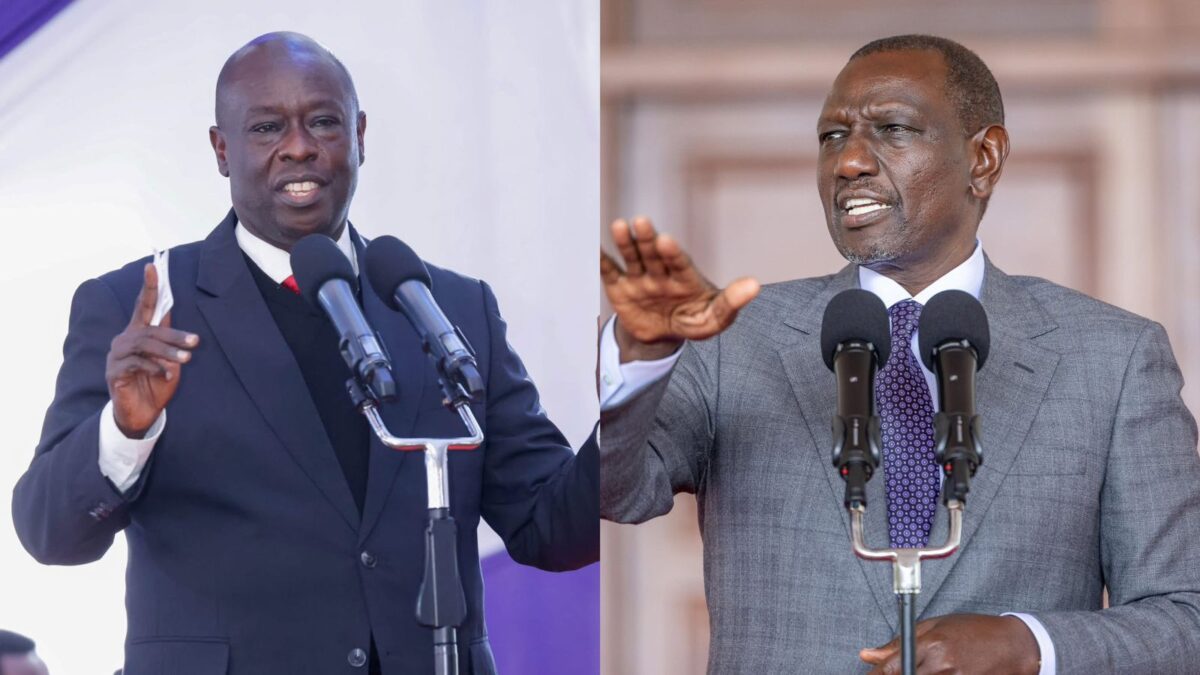
DCP candidate Sammy Kamau Ngotho comfortably defeated United Democratic Alliance (UDA) candidate John Muchina in a contest that quickly grew beyond local politics. What began as a race to replace a Member of Parliament evolved into an early test of political strength between President William Ruto and his former deputy, Rigathi Gachagua.
For weeks, senior government officials, Cabinet Secretaries and elected leaders campaigned for the ruling party. Gachagua, meanwhile, threw his full weight behind DCP, framing the vote as a public verdict on the Kenya Kwanza administration.
The result has left both camps claiming lessons from a constituency that now carries national political significance.
A warning sign for President Ruto
For President Ruto, the defeat is unlikely to alter the balance of power in Parliament. Politically, however, it carries greater weight.
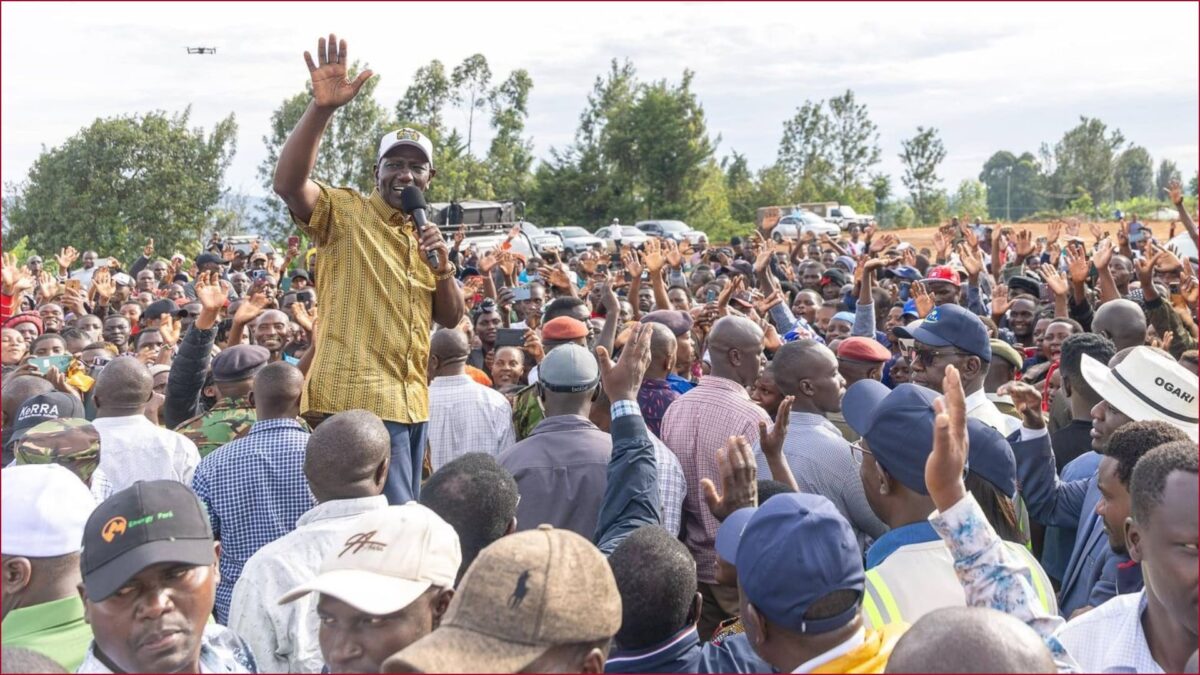
The President personally campaigned for UDA, highlighting government development projects and ongoing programmes in the region. The loss is expected to fuel arguments from critics who believe Kenya Kwanza is steadily losing support in Mt Kenya, a region that played a decisive role in Ruto’s 2022 election victory.
Political analyst Peter Kagwanja said the contest had become much bigger than a constituency election.
“The Ol Kalou by-election was not about one parliamentary seat. It was a rehearsal for 2027, with both camps seeking to test their political strength,” Kagwanja said.
Even so, analysts caution against drawing sweeping conclusions. By-elections often attract lower voter turnout and are shaped by local dynamics that differ from those of a national election, where coalition building, economic issues and regional alliances carry greater influence.
Pressure grows on Kindiki
Deputy President Kithure Kindiki also emerges from the contest facing renewed political scrutiny.
Since taking office, Kindiki has repeatedly toured Mt Kenya, defended government programmes and sought to strengthen support for Kenya Kwanza across the region.
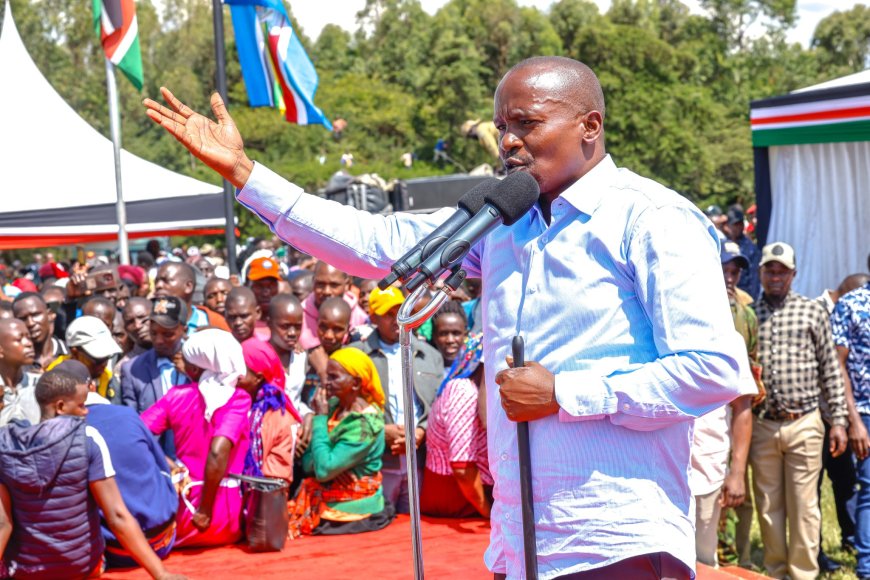
The Ol Kalou outcome suggests that development alone may not be enough to shift political loyalties.
Senior Counsel Ahmednasir Abdullahi added to the debate on social media, questioning whether the result could affect Kindiki’s political standing ahead of 2027.
“Early returns are showing the UDA candidate… getting between 11 to 13 per cent of the votes… a disaster of Titanic proportions for the ruling party,” Ahmednasir wrote on X.
There is no indication from President Ruto or UDA that Kindiki’s position is under review. However, the by-election has intensified discussion over his ability to help retain Mt Kenya support for the ruling coalition.
Gachagua’s biggest political boost yet

For Gachagua, the victory marks a significant milestone since launching DCP.
The party now holds its first parliamentary seat, strengthening his claim that he remains one of Mt Kenya’s most influential political figures despite his exit from government.
Former Nyeri Town MP Ngunjiri Wambugu argued that the result reflects Gachagua’s growing influence across the region.
“Ol Kalou has taught us Jofri (Rigathi Gachagua) will be a problem to anyone who wants to run for office outside him,” Wambugu wrote on X.
Beyond the numbers, the win is likely to boost morale within DCP and encourage more politicians weighing their options ahead of the next election cycle.
It also strengthens Gachagua’s bargaining position as opposition leaders continue exploring possible alliances for 2027.
What the result means for Mt Kenya
The by-election underlines an increasingly competitive political landscape in Mt Kenya.
For years, the region has largely rallied behind a dominant political figure. The Ol Kalou result suggests that Gachagua has established himself as the leading challenger to President Ruto’s influence in the area.
The campaign also demonstrated that while development projects remain important, questions of political identity, loyalty and representation continue to shape voting decisions.
Whether that trend extends across the wider region remains uncertain, but opposition leaders are likely to see fresh opportunities in what has long been considered Kenya Kwanza territory.
The road to 2027
Ol Kalou represents only one constituency, and national elections are rarely decided by a single by-election.
The economy, the cost of living, coalition agreements and voter turnout will all weigh heavily on the outcome of the 2027 General Election.
Still, the symbolism of the result is difficult to ignore.
For Gachagua, it provides momentum and reinforces his standing within Mt Kenya politics.
For President Ruto and Deputy President Kindiki, it serves as an early reminder that retaining support in one of Kenya’s most influential voting blocs will require sustained political engagement over the next year.
If Ol Kalou was indeed a rehearsal, as Kagwanja suggests, then the main performance is only beginning.
About the Author