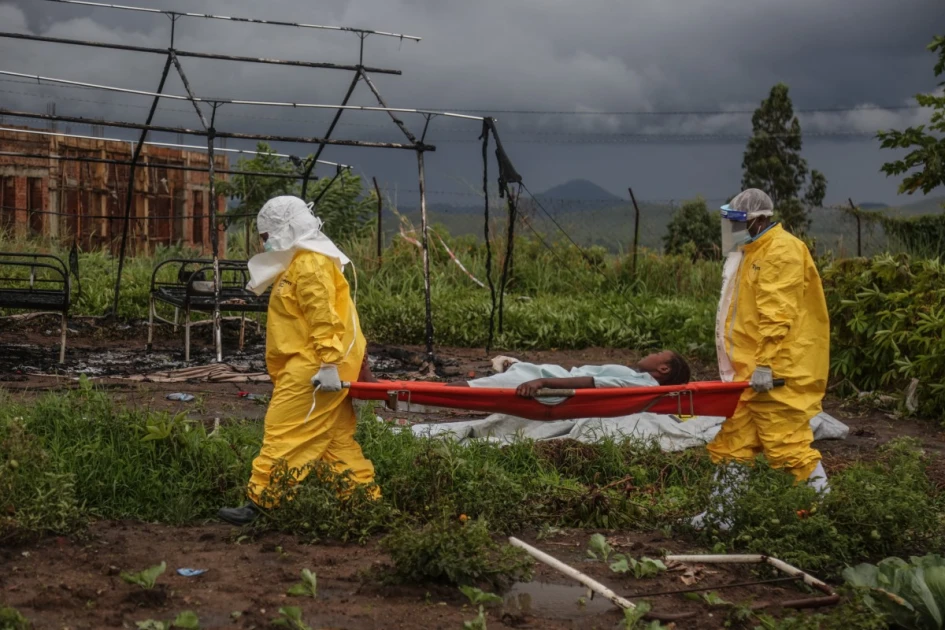
The World Health Organization (WHO) has raised the alarm over the rapidly escalating Ebola outbreak in the Democratic Republic of Congo (DRC), warning that the virus is spreading faster than during any previous epidemic in the country’s history.
Since the outbreak was declared on May 15, health authorities have confirmed more than 2,000 Ebola cases, including 796 deaths, making it the third-largest Ebola outbreak ever recorded in the DRC.
WHO Director-General Tedros Adhanom Ghebreyesus said the speed of transmission is unlike anything previously seen in the country.
“In the past month, it has expanded faster than any previous outbreak,” Tedros told reporters on Thursday.
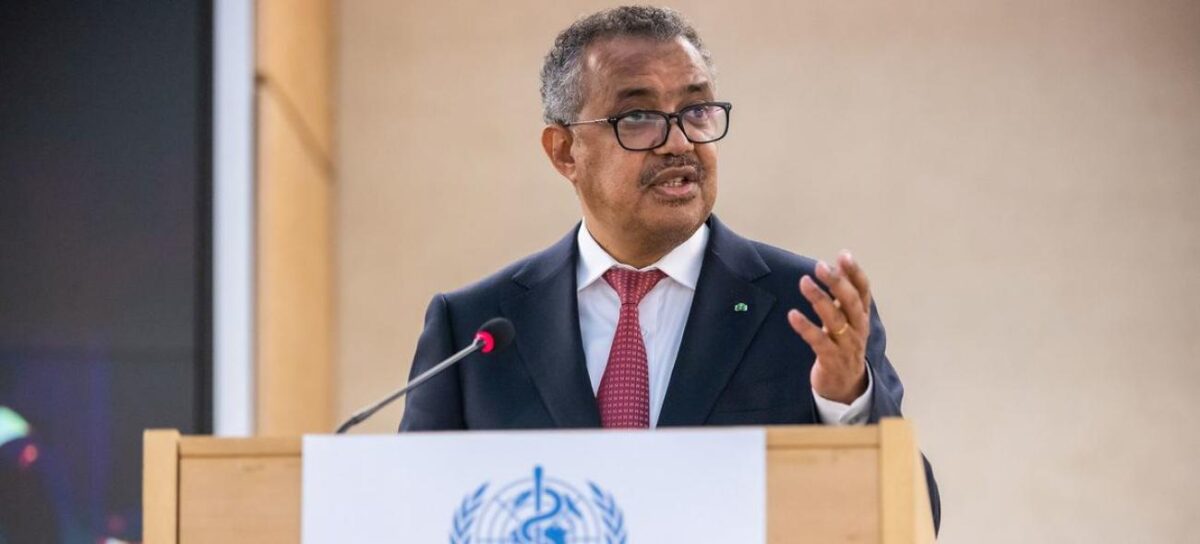
He noted that the country’s devastating 2018–2020 Ebola outbreak, which eventually became the second-largest globally, took more than 10 months to reach the same number of confirmed infections.
The current outbreak began in Ituri Province, in the country’s conflict-hit northeast, before spreading to five provinces. A small number of related cases have also been detected in neighboring Uganda.
Health response expands, but the virus is spreading faster
The WHO says treatment and testing capacity has increased significantly since the outbreak began.
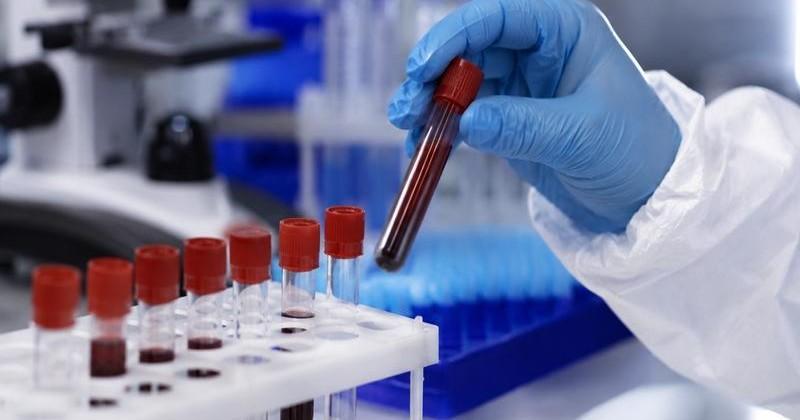
Treatment centeres can now accommodate about 800 patients, while laboratory capacity has expanded from one laboratory to 16 across affected areas.
Despite those gains, officials say the response is struggling to contain the outbreak.
“Despite the progress we have made, the outbreak in DRC is continuing to outpace the response,” Tedros said.
According to the WHO, more than 80 per cent of newly confirmed infections are being identified outside existing contact-tracing networks, suggesting many chains of transmission remain undetected.
The organisation also says around two-thirds of Ebola deaths are occurring within communities rather than health facilities, meaning many patients never receive medical care.
The outbreak is being caused by the Bundibugyo strain of the Ebola virus, a rare species for which there is currently no approved vaccine or specific treatment.
Researchers have, however, begun testing several experimental therapies. Clinical trials involving MBP134, remdesivir, the University of Oxford’s ChAdOx1 vaccine, and the antiviral drug obeldesivir are now underway in affected areas.
Even without approved medicines, WHO says 377 patients have recovered, demonstrating that early diagnosis and supportive treatment can save lives.
Conflict, attacks and funding shortages complicate response
The outbreak continues to unfold against the backdrop of armed conflict in eastern DRC, where insecurity has made it difficult for health workers to reach some of the worst-affected communities.
Tedros revealed that an Ebola treatment centre in Bunia, the capital of Ituri Province, was attacked on Wednesday, highlighting the dangers facing frontline medical teams.
The WHO says controlling the outbreak will require stronger disease surveillance, faster isolation of patients, safe burials and sustained public awareness campaigns.
However, the agency warns that resources remain far below what is needed.
Tedros appealed for increased international support, saying a joint emergency response plan by the WHO and the Africa Centres for Disease Control and Prevention (Africa CDC) is facing a funding gap of more than $400 million.
Health officials say containing the outbreak will depend not only on medical interventions, but also on restoring access to communities affected by conflict and ensuring enough resources reach those on the front lines.
About the Author