Parliament is pressing the government to include Aflasafe in its farm input subsidy program, in an effort to tackle aflatoxin contamination that continues to threaten food safety and public health in Kenya.
The proposal, led by the National Assembly’s Agriculture Committee, comes as concerns persist over contaminated maize, particularly in eastern Kenya, where past outbreaks have been deadly.
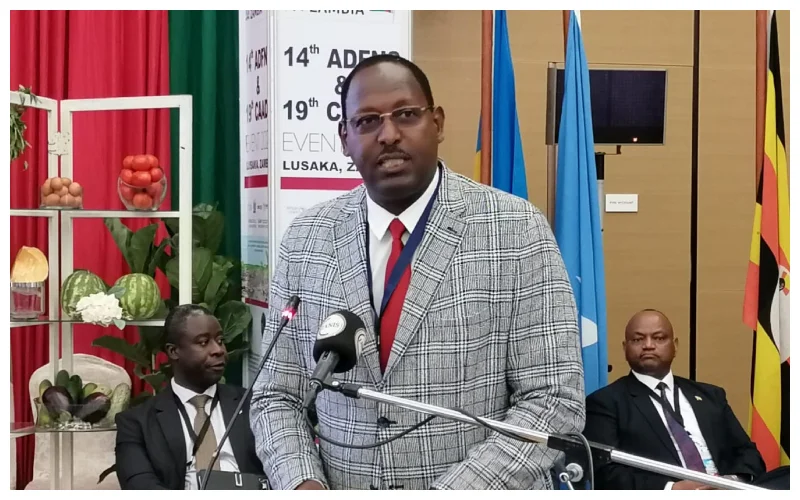
Committee chair John Mutunga said wider access to the product would help farmers protect their harvests and reduce health risks linked to contaminated grain.
“We will push for Aflasafe to be part of the subsidy programme so that more farmers can access it,” Dr Mutunga said during the Kalro Scientific Conference and Innovation Expo. “Aflatoxin is a serious food safety issue that we must address at the farm level.”
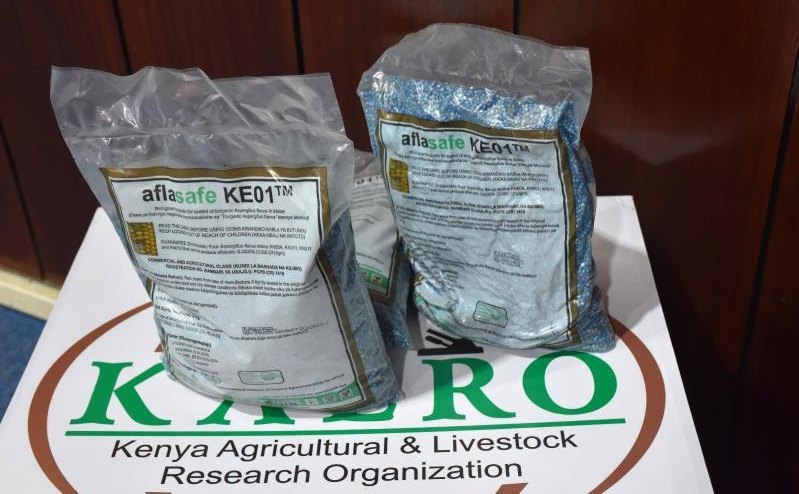
Aflasafe is a biological product developed to prevent fungi that produce aflatoxins from contaminating crops. It is applied directly in the field, typically by broadcasting before or during crop growth.
According to Mutunga, a sachet costs about Sh200. A farmer needs roughly four sachets per acre, bringing the cost to about Sh800. He argued that a government subsidy could significantly lower this barrier and improve uptake.
He also proposed that the product be distributed through existing government channels, including fertiliser and seed subsidy systems, as well as the National Cereals and Produce Board network.
Kenya has faced repeated aflatoxin incidents over the years. In 2004 and 2005, contamination in eastern Kenya was linked to about 125 deaths, according to official records cited by researchers and public health authorities.
Experts say the risk remains widespread. Dr Patrick Ketiem, director general of the Kenya Agricultural and Livestock Research Organisation (KALRO), warned that exposure is ongoing and often invisible.
“Millions of Kenyans are potentially exposed to aflatoxins through maize, which is a staple food,” he said. “Long-term exposure can lead to serious health outcomes, including liver cancer, stunted growth in children, and weakened immunity.”

He added that once aflatoxin contaminates grain, it cannot be removed through cooking or milling, making prevention at farm level critical.
Dr Ketiem described Aflasafe KE01 as a locally developed biological solution with strong preventive effects. He said it can reduce contamination by up to 80 to 100 per cent under the right conditions.
He also noted growing regional demand, saying Uganda is already sourcing the product from Kenya, even though it is manufactured locally. That, he suggested, should be a reason for Kenya to expand domestic uptake.
Dr Mutunga said integrating Aflasafe into the e-voucher subsidy system, alongside awareness campaigns for farmers and millers, would be key to scaling its use.
For policymakers, the push reflects a broader debate over how to reduce food contamination risks in staple crops without raising costs for farmers already under pressure from high input prices.
About the Author