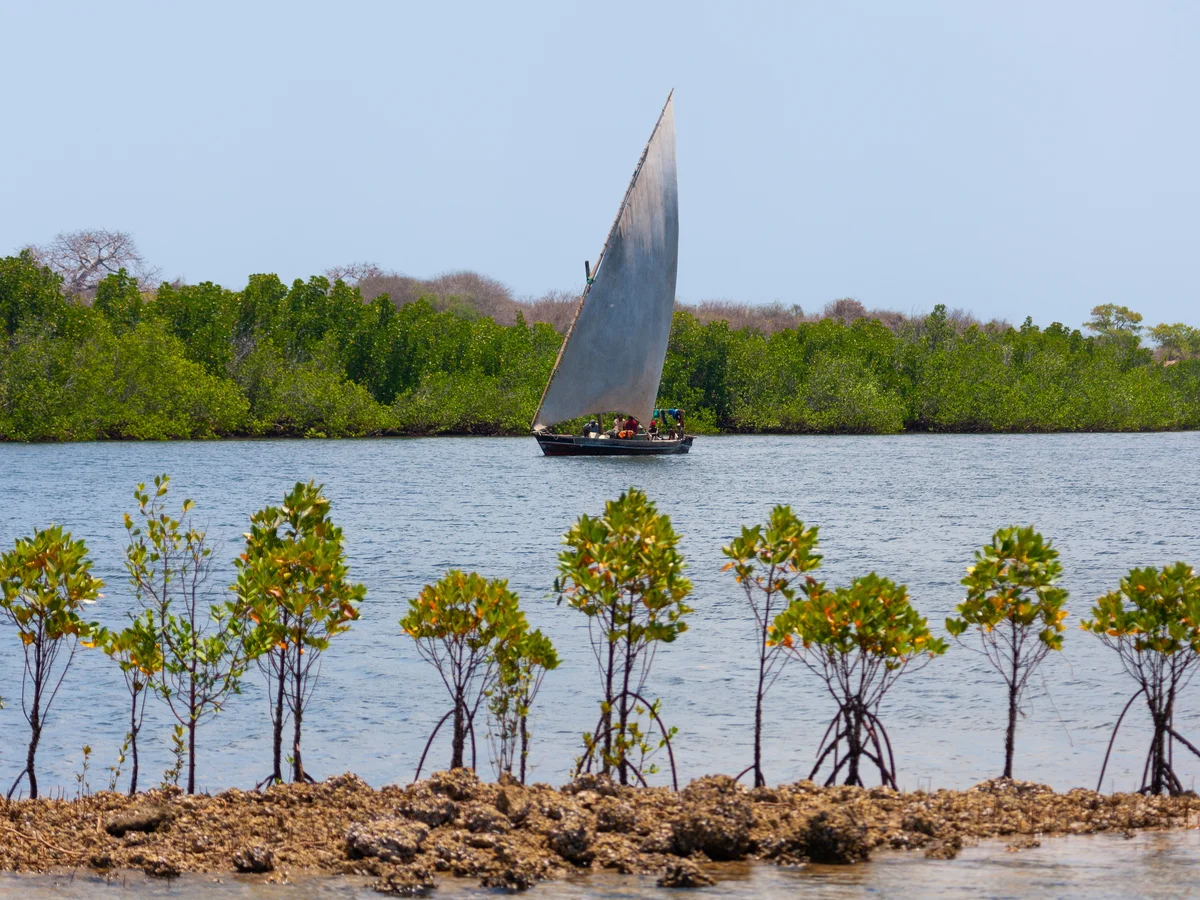
Kenya has unveiled an ambitious Sh79 billion investment plan aimed at restoring its coastal ecosystems and strengthening the country’s growing blue economy over the next decade.
The strategy, launched during the 11th Ocean Conference in Mombasa, seeks to reverse the decline of mangrove forests and sea-grass beds while improving climate resilience and supporting livelihoods along the coast.
Under the Kenya Blue Carbon Ecosystems–Nationally Determined Contribution Implementation and Investment Plan (2025–2035), the government estimates that Sh36.5 billion will be needed by 2030, with total investment rising to Sh79 billion by 2035.
According to the plan, the funding will support large-scale restoration projects, conservation efforts, scientific research and community-led initiatives focused on protecting coastal wetlands.
Funding Drive Targets Long-Term Coastal Protection
“Realizing the plan’s objectives will require a total investment of USD 616 million between 2025 and 2035,” the document states, outlining a phased financing approach over the next ten years.
The government hopes to draw funding from multiple sources, including public spending, development partners, climate finance programmed, private investors and emerging carbon markets. Community-based financing, insurance products and specialized blue finance facilities are also expected to play a role.
Officials say the initiative places blue carbon ecosystems at the center of Kenya’s climate strategy and long-term economic planning.
Mangroves and Sea-grass Hold Key to Climate Goals
Although mangroves and sea-grass beds cover less than 0.2 per cent of Kenya’s land area, they play an out sized role in protecting coastlines, supporting fisheries, preserving biodiversity and sustaining tourism.
These ecosystems are also among the country’s most effective natural carbon sinks. Since 1990, they have stored more than 75 million tonnes of carbon dioxide equivalent, contributing significantly to Kenya’s efforts to reduce greenhouse gas emissions.
Yet conservationists warn that the ecosystems are under mounting pressure from human activity and environmental change. Mangrove cover has fallen by around 15 per cent since 1990, while sea-grass beds have declined by roughly six per cent.
The loss has weakened natural shoreline protection, affected fish breeding grounds and increased pressure on coastal communities that depend on marine resources for their livelihoods.
Communities Expected to Play Central Role
The new plan aims to address those challenges through stronger environmental governance, improved financing mechanisms and greater involvement of local communities in conservation efforts.
Government officials argue that protecting blue carbon ecosystems is essential if Kenya is to meet its climate commitments under the Paris Agreement while expanding opportunities within the blue economy.
As climate risks intensify and pressure on coastal resources grows, the success of the program will depend not only on securing the required funding but also on ensuring that conservation efforts deliver lasting benefits for communities living along Kenya’s coastline.
About the Author