New national budgets are set to be unveiled across East Africa on Thursday, with governments facing growing pressure from rising fuel costs, heavy debt obligations and an uncertain global economy.
Finance ministers in Kenya, Uganda and Tanzania are expected to present spending plans for the 2026/27 financial year. Close attention is being paid by investors, businesses and households alike.
The challenge is clear. Economic growth must be supported. Public debt must be managed. Rising costs linked to tensions in the Middle East must also be addressed.
Across the region, economies remain heavily dependent on imported fuel and fertiliser. As a result, global price shocks are being felt quickly. Growth forecasts have already been lowered by the African Development Bank, which cited the impact of higher import costs and wider economic uncertainty.
Kenya’s Fiscal Path Under Scrutiny
In Kenya, the largest economy in the region, attention is being focused on how a widening list of fiscal pressures will be handled.
A large share of government revenue continues to be directed towards debt repayments. Growth has also been slowed by weaker economic conditions and public discontent over the cost of living.
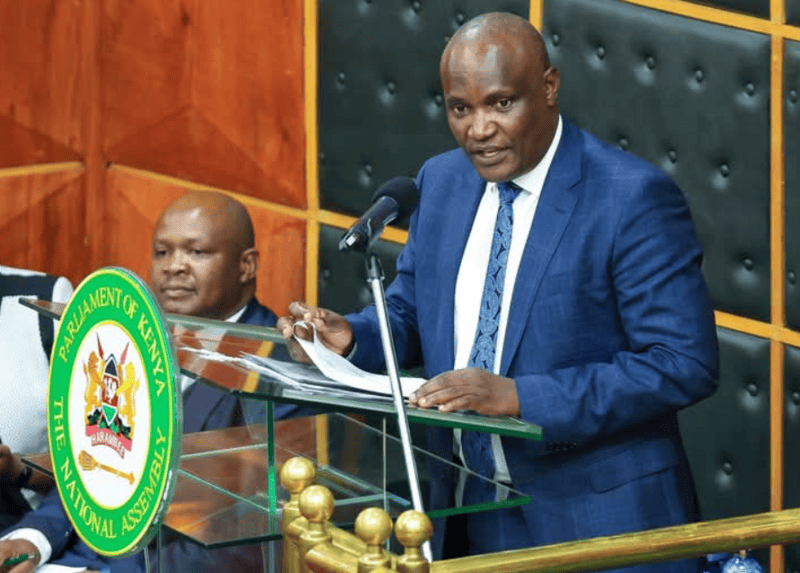
A temporary reduction in fuel taxes has further squeezed government revenues. Markets are expected to closely examine the plans presented by Treasury Cabinet Secretary John Mbadi.
A clearer path towards fiscal stability is being sought by investors.
“Treasury has consistently underperformed budget targets in recent years,” said Andrew Matheny, a senior economist at Goldman Sachs.
“The fiscal balance has remained in a primary deficit, insufficient to stabilise public debt and restore market confidence,” he added.
Evidence of spending restraint or stronger revenue collection measures will be watched closely, Matheny said.
Earlier this month, Kenya’s Treasury projected a budget deficit of 5.4 per cent of gross domestic product for the coming financial year. That figure is lower than the estimated 6.4 per cent deficit for the current year.
Debt Burden Remains a Challenge
The government’s handling of debt remains a central political and economic issue.
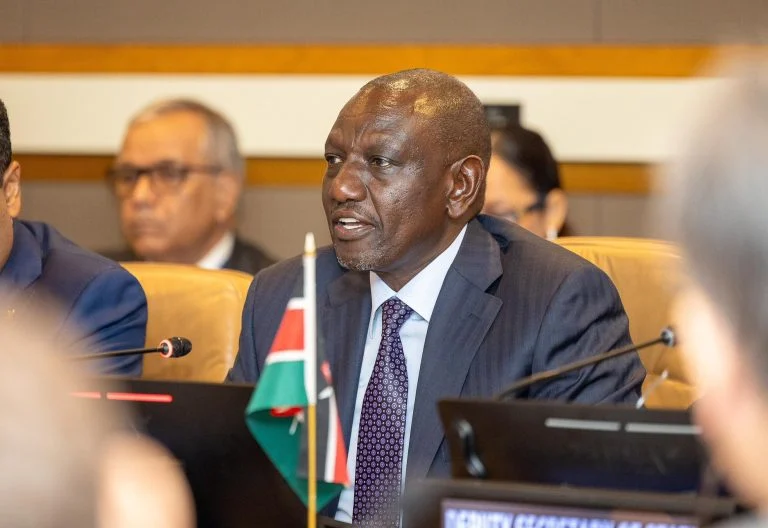
President William Ruto has argued that a debt default was avoided during his first years in office through a series of financial reforms and debt management efforts.
At the same time, tougher tax enforcement measures have been introduced to boost revenue. Criticism has also been voiced.
Some public agencies have reported funding delays. Many households say higher taxes have placed additional pressure on already stretched budgets.
Recent protests over fuel prices have highlighted growing public frustration.
Uganda Warned on Fuel Risks
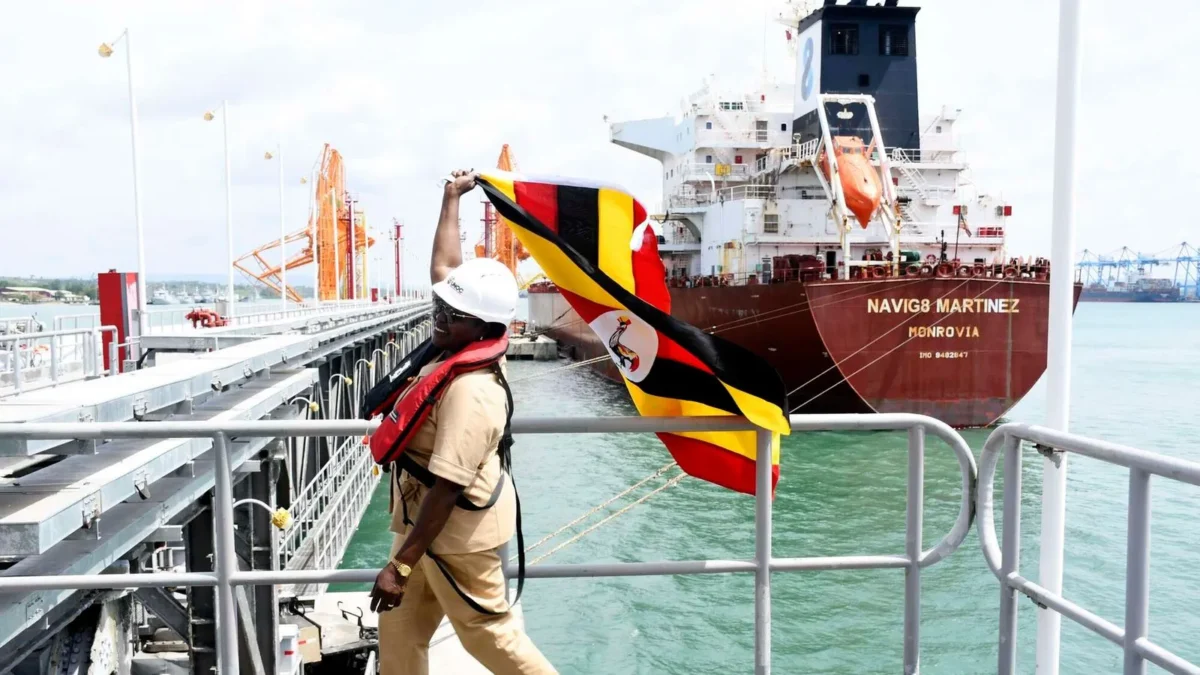
In Uganda, concerns have been raised over the potential impact of higher fuel prices on government spending plans.
Economists have warned that further disruptions in global energy markets could increase costs across the economy.
“We should not assume a return to normal conditions,” said Enock Nyorekwa Twinoburyo, an economics lecturer at Makerere University.
“It is important that shock mitigation measures are put in place.”
According to Twinoburyo, higher oil prices have increased demand for foreign currency, creating additional pressure on exchange rates.
Those pressures are already being felt by businesses that rely on imported goods and fuel.
Tanzania Also Faces Headwinds
Tanzania is expected to face many of the same challenges. Like its neighbours, the country remains exposed to shifts in global commodity prices.
Efforts are likely to be focused on protecting economic growth while maintaining fiscal discipline. Across East Africa, the balancing act has become more difficult.
Budgets Watched Beyond Parliament
The budgets being unveiled this week are about more than government spending. They are being viewed as a test of how East African leaders intend to navigate a period marked by global uncertainty and domestic pressure.
Investors will be looking for confidence. Citizens will be looking for relief.
And governments will be expected to show that economic stability can be maintained without placing an even heavier burden on taxpayers. The decisions announced this week are likely to shape the region’s economic direction for years to come.
About the Author