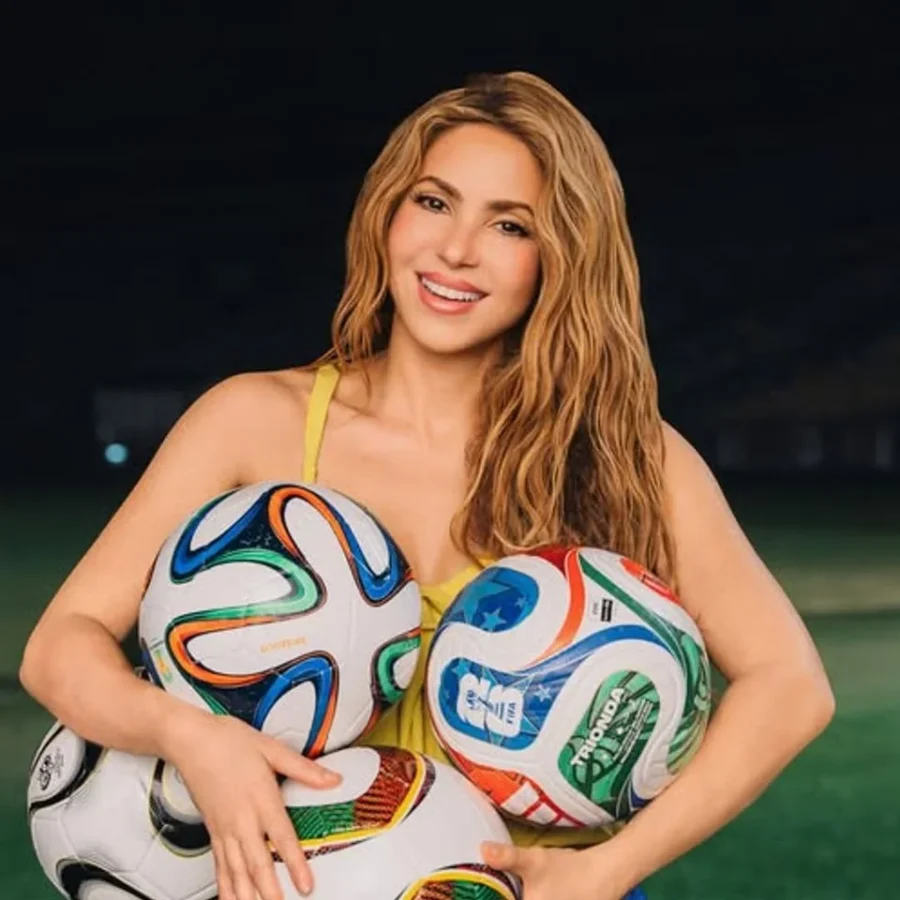
As football fans prepare for the 2026 FIFA World Cup, one familiar figure is once again stepping into the spotlight.
Shakira, the Colombian singer whose voice became synonymous with the World Cup through the global hit Waka Waka (This Time for Africa), is set to perform at the tournament’s opening ceremony in Mexico City. She will be joined by Nigerian Afrobeats star Burna Boy for a performance of the official tournament song, Dai Dai, at the iconic Estadio Azteca.
For many fans, the announcement feels less like a comeback and more like a continuation of a story that began 16 years ago.
Shakira’s relationship with football’s biggest event has outlasted multiple tournaments, generations of players and changing musical trends. While FIFA has never formally designated her as the face of the World Cup, few artists have become as closely linked to the competition.
Born Shakira Isabel Mebarak Ripoll in Barranquilla, Colombia, the singer built a career that crossed borders long before streaming platforms made global stardom commonplace. Her blend of Latin pop, rock and Middle Eastern influences helped introduce Spanish-language music to audiences far beyond Latin America.
Hits including Hips Don’t Lie, She Wolf, La Tortura, Chantaje and Whenever, Wherever, established her as one of the most successful artists of her generation. Along the way, she collected multiple Grammy and Latin Grammy awards and sold millions of records worldwide.
Yet her place in football culture was secured in 2010.
That year, Shakira partnered with South African Afro-fusion band Freshlyground to record Waka Waka (This Time for Africa), the official anthem of the World Cup in South Africa. The song quickly transcended the tournament itself.
Its infectious rhythm, colourful visuals and message of unity resonated with audiences around the world. It topped charts in numerous countries and became a staple at football matches, fan parks and sporting celebrations.
Shakira performed the song during both the opening and closing ceremonies of the tournament, helping create some of the defining images of South Africa’s World Cup.
More than a decade later, Waka Waka remains one of the most recognisable football songs ever recorded. For many supporters, it is still the benchmark against which every new World Cup anthem is measured.
The song’s music video, featuring some of football’s biggest stars, including Cristiano Ronaldo and Lionel Messi, continues to attract viewers years after its release. Its popularity has helped preserve Shakira’s connection to the sport long after the final whistle blew in Johannesburg.
She returned to the World Cup stage in 2014 with Dare (La La La), another football-inspired track that became closely associated with the tournament in Brazil. Although it never matched the cultural impact of Waka Waka, it reinforced her place within the World Cup’s musical history.
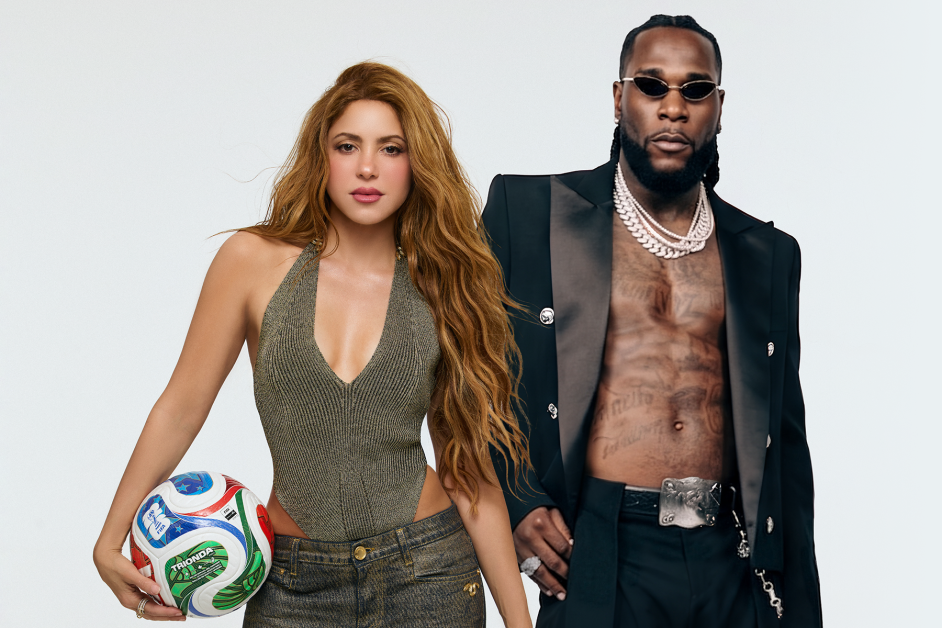
Now, with the 2026 tournament approaching, Shakira is once again being entrusted with helping set the tone for football’s biggest celebration alongside Nigerian afro star Burna Boy.
The new song, Dai Dai, takes its name from an Italian expression often used to encourage or motivate someone, loosely translating to “come on” or “let’s go”. The message fits a tournament expected to unite fans from every corner of the globe.
Her return will also provide a major platform for African talent.
Uganda’s internationally acclaimed Ghetto Kids dance troupe has revealed that it will join Shakira during the World Cup performance. The group, founded in 2014 by Dauda Kavuma, uses dance and performance to support vulnerable and orphaned children in Kampala.
Over the past decade, the troupe has grown from a local community project into an international phenomenon, attracting millions of followers online and appearing on major global stages.
Speaking about the invitation, Kavuma described it as a moment of hope for the children involved.
“This one is very different. It’s a huge opportunity for the Ghetto Kids. For me, the children who have no hope will still have hope.”
Dauda Kavuma
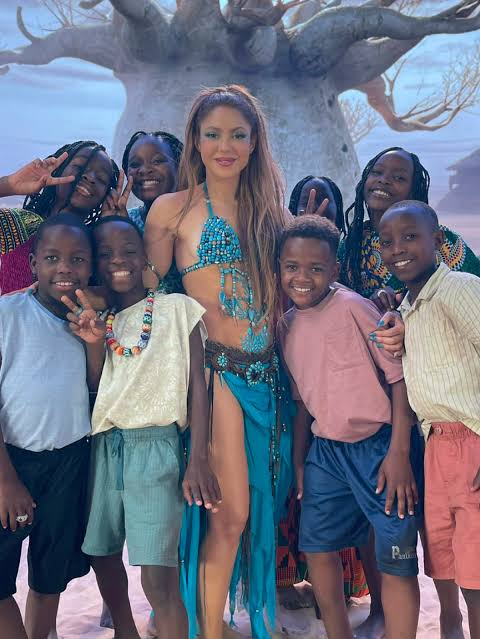
One of the dancers, Josephine Busingye, said the group was eager to share its story with the world.
“I feel so excited. We can’t wait to perform with Shakira, and we can’t wait to show the world what we are,” she said.
The 2026 FIFA World Cup, which will be jointly hosted by the United States, Canada and Mexico, is expected to be the largest edition of the tournament to date. With more teams, more venues and a wider global audience, organisers are hoping to create a spectacle that extends beyond football itself.
That is where Shakira comes in.
For many fans, the World Cup is remembered as much through its soundtrack as through its goals. The songs become markers of time, carrying memories of celebrations, heartbreaks and historic moments.
Few artists have contributed more to that soundtrack than Shakira. Sixteen years after Waka Waka first echoed through stadiums across South Africa, her voice remains one of the sounds most closely associated with football’s greatest stage.
About the Author