Kenya’s High Court has temporarily blocked any plans to establish Ebola quarantine or treatment facilities in the country under arrangements involving the United States or other foreign governments, after a legal challenge raised concerns over public safety, transparency and constitutional oversight.
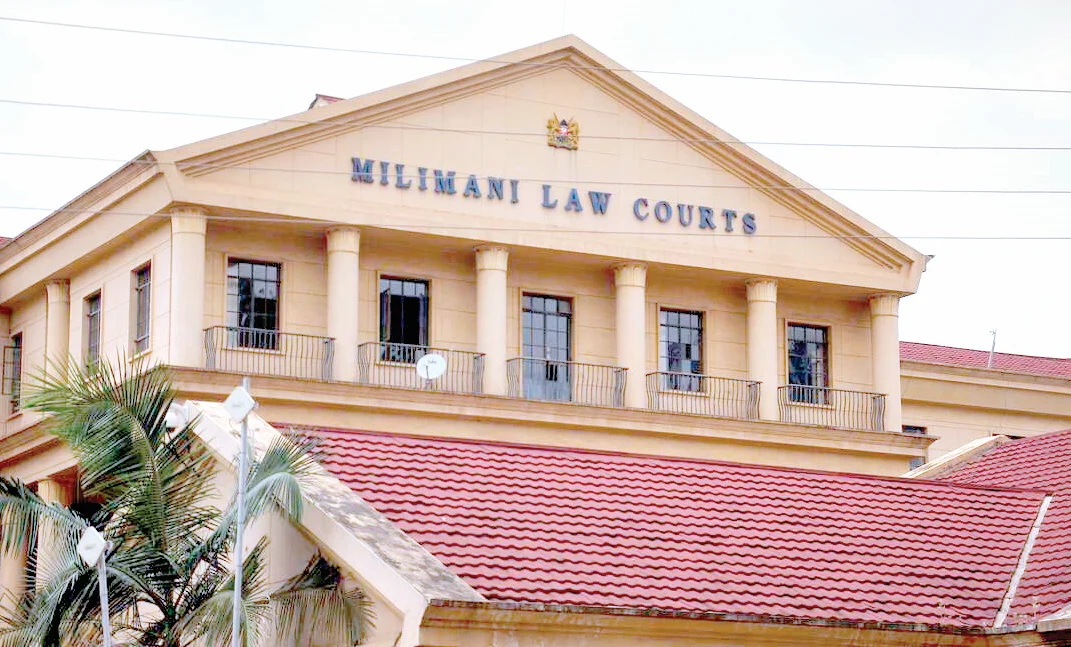
In a ruling delivered on Thursday, Justice Patricia Mande issued conservatory orders stopping the government from approving or operating any Ebola-related isolation, quarantine or treatment centre until the case is heard fully in court.
“A conservatory order is hereby issued restraining the Respondents from establishing, operationalising, facilitating, approving or permitting the establishment and/or operation of any Ebola exposure, quarantine, isolation or treatment facility in Kenya,” Justice Mande ruled.
The judge also barred authorities from allowing into Kenya any individuals exposed to or infected with Ebola under the disputed arrangement until the matter is determined.
Legal Challenge Raises Transparency Concerns
The case was brought by Katiba Institute, a governance and constitutional watchdog, which sued the Attorney General and the Health Cabinet Secretary. The organisation argues that the alleged plan has been pursued in secrecy, without public participation, parliamentary scrutiny or disclosure of potential health and environmental risks.
According to court filings, the institute acted after reports emerged suggesting that Kenya was in advanced discussions with foreign partners to host a facility linked to Ebola containment efforts.
Katiba Institute warned that such a move could turn Kenya into what it described as an “offshore quarantine hub” for foreign states.
“The impugned arrangement is being undertaken in a manner that is not transparent and is devoid of constitutional accountability,” the institute said in its application to the court.
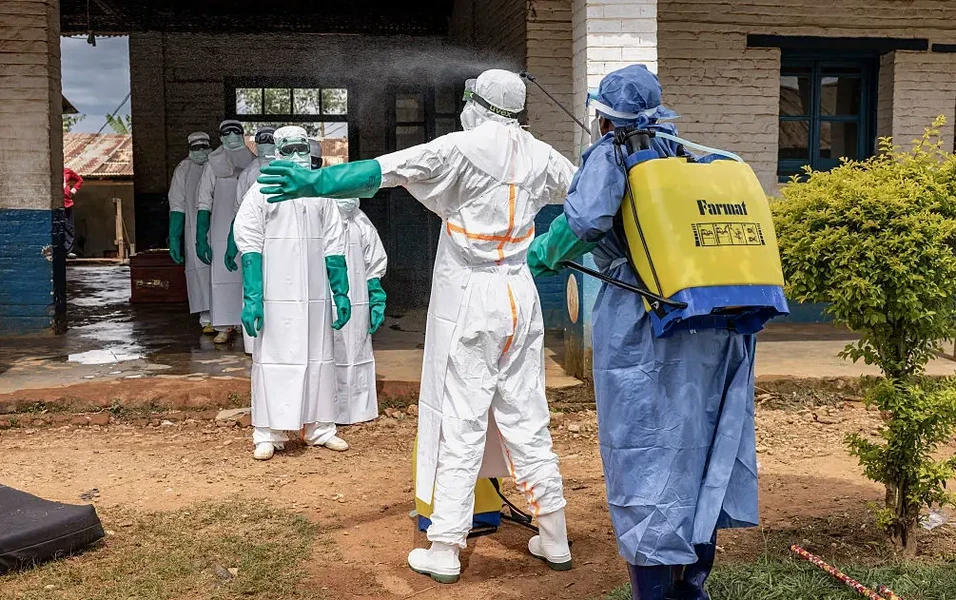
The petition raises questions over whether Kenya has the technical capacity to safely manage a highly infectious disease such as Ebola. Court documents note that Ebola Virus Disease is classified by the World Health Organisation as one of the world’s most dangerous pathogens, requiring the highest biosafety precautions.
Katiba Institute argues that Kenya’s existing laboratory systems are not equipped for that level of containment. The organisation says most facilities in the country operate at Biosafety Level 1 or 2, with only limited Level 3 capability, while Ebola-related work generally requires Biosafety Level 4 standards.
The group warned that any accident or containment failure could pose serious risks to health workers and surrounding communities.
The petition also questions whether environmental impact assessments, biosafety reviews or parliamentary approvals were carried out before discussions with foreign partners began.
Government officials had not publicly responded to the allegations by Thursday evening.
The court directed that the matter be mentioned again on June 2, when further directions are expected.
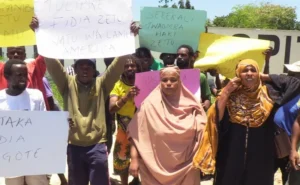
The case has already stirred public debate in Kenya, where memories of the Covid-19 pandemic and concerns over the country’s healthcare preparedness remain fresh. Supporters of the petition say the issue goes beyond disease control and touches on sovereignty, transparency and public trust.
Others, however, argue that regional cooperation on infectious diseases is essential, especially as East Africa remains vulnerable to cross-border outbreaks.
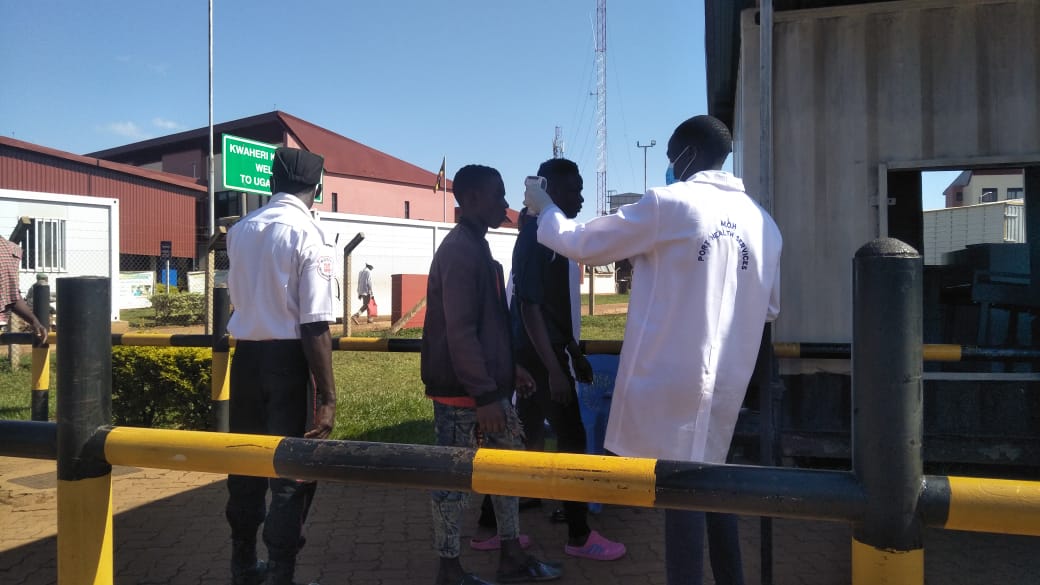
Uganda, which neighbours Kenya, has faced repeated Ebola outbreaks in recent years, prompting heightened surveillance and emergency preparedness measures across the region.
About the Author