
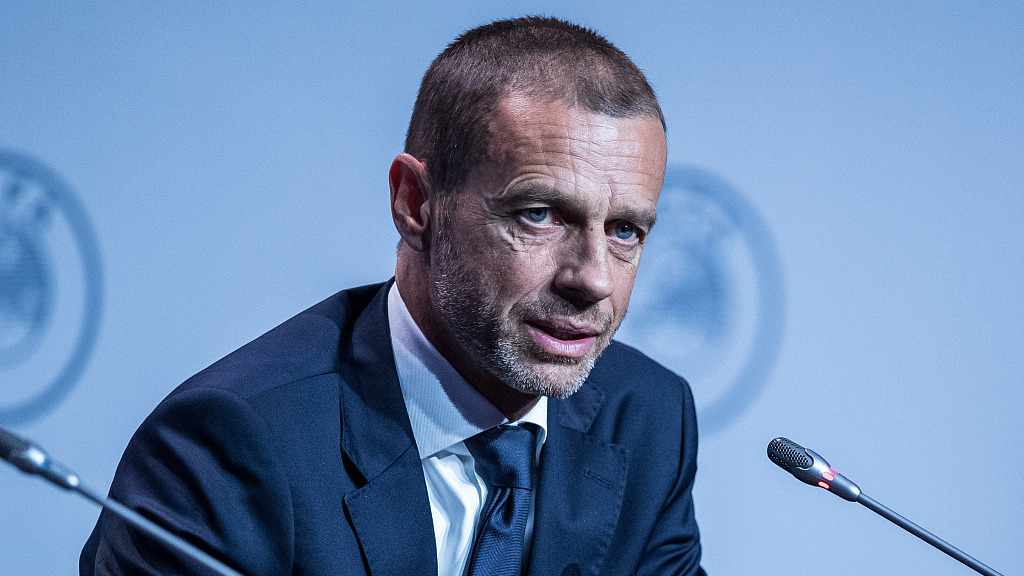
UEFA will convene an emergency meeting of its 55 member associations on Thursday as pressure mounts on FIFA over a contentious proposal to bring private investment into the FIFA World Cup and other global competitions.
The virtual meeting comes after FIFA asked all 211 national football associations to decide by 19 September whether to support the proposal. Those that agree would receive an initial payment of $20 million (£15 million) as part of a wider funding package worth up to $40 million (£30 million).
The deadline has angered several football bodies, many of which say they first learned of the proposal through media reports rather than official consultation.
“We have learned of FIFA’s deadline to associations to support their proposals or have the one-off payout offer withdrawn,” UEFA said in a statement. “This says everything you need to know about this plan.”
It marked the second public rebuke from European football’s governing body in as many days, after UEFA earlier accused FIFA of crossing a line in the way it had handled the proposal.
Growing resistance across world football
The proposal would see FIFA sell a 20 per cent stake in the commercial rights to its competitions to private investors. Reports indicate the investment group is led by Thrive Eternal, a vehicle linked to businessman Joshua Kushner, the brother-in-law of US President Donald Trump’s daughter, Ivanka Trump.
The plan has triggered criticism beyond Europe.
Officials within the Football Association (FA) were reportedly frustrated that senior representatives, including FA chair Debbie Hewitt, were not briefed before details emerged publicly. Concerns have also been raised by football confederations representing Asia, South America, and North and Central America.
While UEFA has not disclosed the agenda for Thursday’s meeting, discussions are expected to focus on a coordinated response to FIFA’s plans.
Some observers have suggested that if European nations were ever to withdraw from the FIFA World Cup, the tournament’s commercial value would suffer significantly. However, such a move is widely regarded as highly unlikely.
Not every association opposes the proposal.
“We can see the pragmatic benefits for Czech football,” said Czech Football Association President David Trunda, signalling that some smaller associations believe the additional funding could strengthen domestic football.
Suggested image: FIFA headquarters in Zurich or the FIFA Congress.
FIFA defends the proposal
Facing growing criticism, FIFA released an eight-page document outlining the rationale behind the initiative.
The organisation argues that football’s commercial success has not been shared evenly across the global game and says the investment would direct more money towards developing nations.
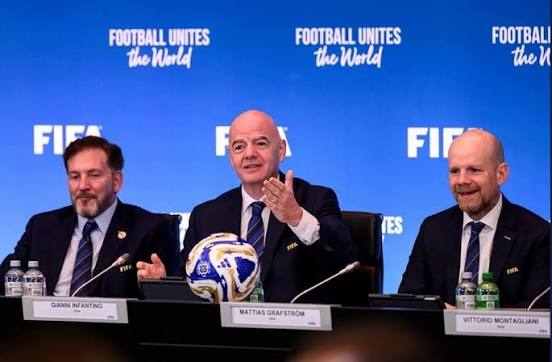
In a video released on Wednesday, FIFA President Gianni Infantino insisted associations were free to reject the offer.
“It’s part of a democratic consultation process,” Infantino said. “It is an opportunity but not an obligation.”
He argued the additional investment could help improve grassroots facilities, strengthen national teams, expand opportunities for young players and increase support for women’s football.
FIFA also pointed to the first-ever World Cup qualification of countries including Cape Verde, Curaçao, Jordan and Uzbekistan as evidence that investment in global football is delivering results, although the expansion of the tournament to 48 teams has also played a major role in widening qualification opportunities.
The governing body stressed that private investors would have no influence over how the FIFA World Cup is run.
Critics warn football’s future is at stake
The backlash has continued to grow.
The European Leagues organisation described the proposal as “a reckless and divisive development for world football,” arguing that the World Cup should not become a commercial asset for private investors.
Global players’ union FIFPRO also urged FIFA to reconsider, warning that introducing private capital into football’s biggest tournaments could permanently change the incentives behind the sport.
Spain’s La Liga president Javier Tebas accused Infantino of attempting to win political support ahead of FIFA’s next Congress.
“It doesn’t seem like a reform,” Tebas said. “It seems like an electoral campaign financed with the future of football.”
Meanwhile, Hans-Joachim Watzke, vice-president of the German Football Association and president of Borussia Dortmund, described the proposal as “an absolute attack on football.”
“A line has been crossed here,” Watzke said. “If European football stands united against these plans, that carries a great deal of weight.”
What happens next?
Thursday’s UEFA meeting is expected to shape Europe’s collective position before FIFA’s September deadline.
For now, football’s leading governing bodies remain sharply divided. FIFA believes the proposal could unlock billions for developing the game worldwide. Its critics fear it risks placing one of sport’s greatest competitions on a path where financial interests outweigh football’s long-term values.
As the debate intensifies, the coming weeks could prove decisive for the future governance and commercial direction of the World Cup.
About the Author