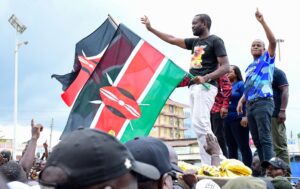
Kenya’s 2027 election cycle is already generating an unusual trend: a growing list of journalists and television personalities being mentioned as possible parliamentary and gubernatorial contenders. Whether every rumoured bid materialises remains unclear, but the pattern itself is real enough to merit attention.
For decades, journalists occupied a distinct role in Kenya’s democracy: they questioned politicians, exposed scandals, moderated debates and amplified public grievances. Increasingly, however, some are choosing to leave the press gallery for the campaign trail.
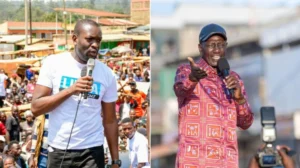
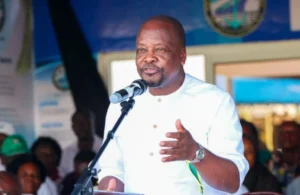
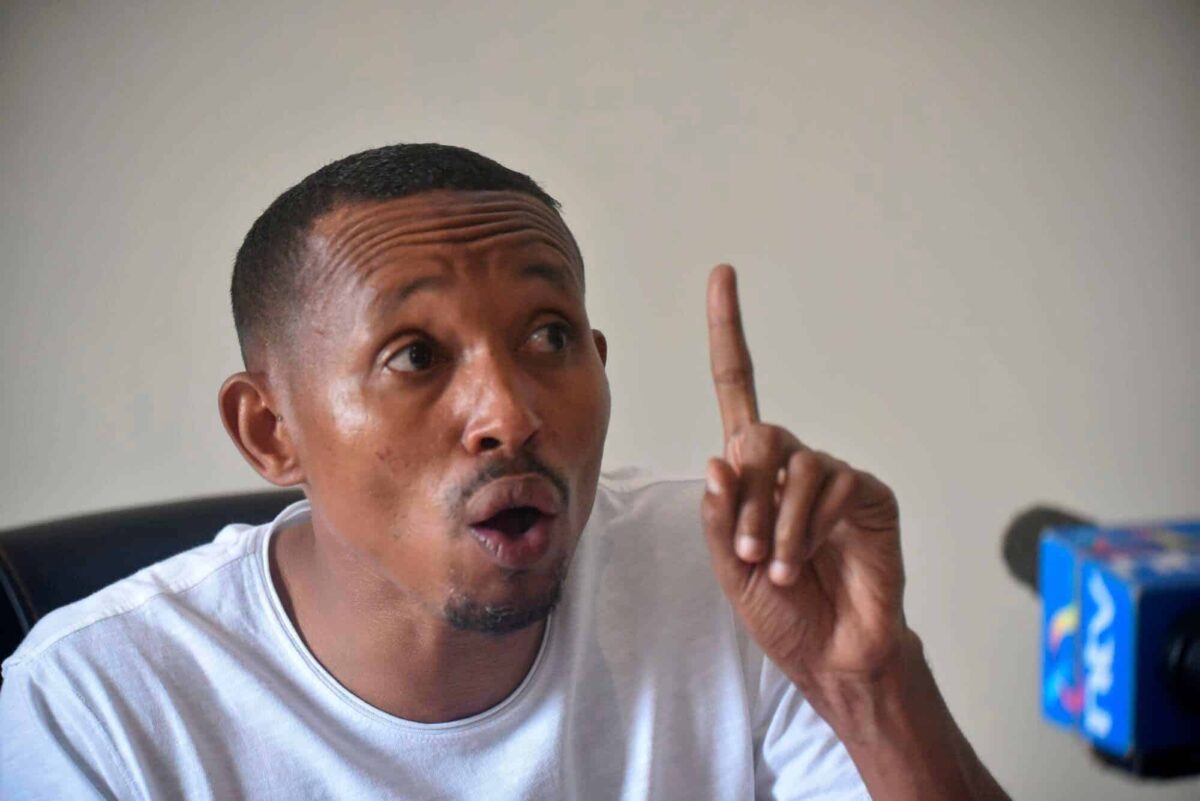
The most prominent example is Mohamed Ali, better known to many Kenyans as Moha Jicho Pevu. Once among the country’s most recognisable investigative reporters, Ali built a reputation confronting graft and abuse of power on television. He then entered politics and won the Nyali parliamentary seat in 2017, retaining it later. Recent reports indicate he has been linked to a possible run for Mombasa governor in 2027, though the political field remains fluid.
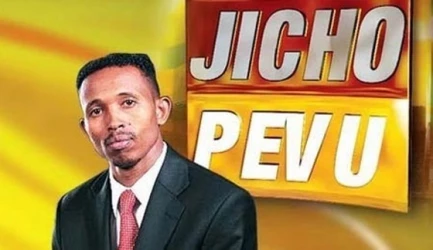
Another early precedent was Granton Samboja, who transitioned from radio and media entrepreneurship into county politics, winning the Taita Taveta governorship in 2017. His rise demonstrated that media visibility can be converted into electoral capital.
Now speculation is swirling around several current broadcasters, especially from Royal Media Services and affiliated stations. Names circulating online include Stephen Letoo, Lulu Hassan, Trevor Ombija, Michael Njenga and Mwanahamisi. But these claims are largely sourced from social media posts rather than formal announcements or verified interviews. Until direct confirmation emerges, they remain rumours rather than candidacies.
So why are journalists making the leap?
First, journalists already possess what most first-time candidates lack: name recognition. Television anchors enter living rooms nightly. Radio hosts speak directly to communities in local languages. That familiarity can translate into trust, especially in a political culture where visibility matters.
Second, they understand messaging. Journalists know how headlines are made, how interviews shape perception, and how campaigns can dominate the news cycle. In modern politics, communication is often as valuable as ideology.
Third, public frustration with traditional politicians creates space for outsider brands. A journalist can present as a reformer, problem-solver or truth-teller—particularly if they built a career exposing wrongdoing.
But the migration also raises serious questions.
When prominent journalists are seen as future candidates, audiences may re-evaluate past reporting through a political lens. Were interviews neutral? Were investigations selective? Was visibility being converted into future ambition? Even where no misconduct occurred, perception alone can erode trust in media independence.
There is also the institutional cost. Newsrooms losing senior talent to politics can weaken investigative depth at a time Kenya needs strong accountability journalism. If too many watchdogs become players, fewer remain to monitor those in power.
This is not uniquely Kenyan. Around the world, broadcasters and commentators have entered politics. But in Kenya, where media has historically played a crucial democratic oversight role, the shift carries sharper consequences.
The 2027 election may not produce a record number of journalist-candidates. That claim is premature. But it is already producing something significant: evidence that journalism has become one of the country’s most visible pathways into political office.
And that leaves a deeper question for voters and newsrooms alike: when the people who once reported the news become the news, who is left to hold power accountable?
About the Author