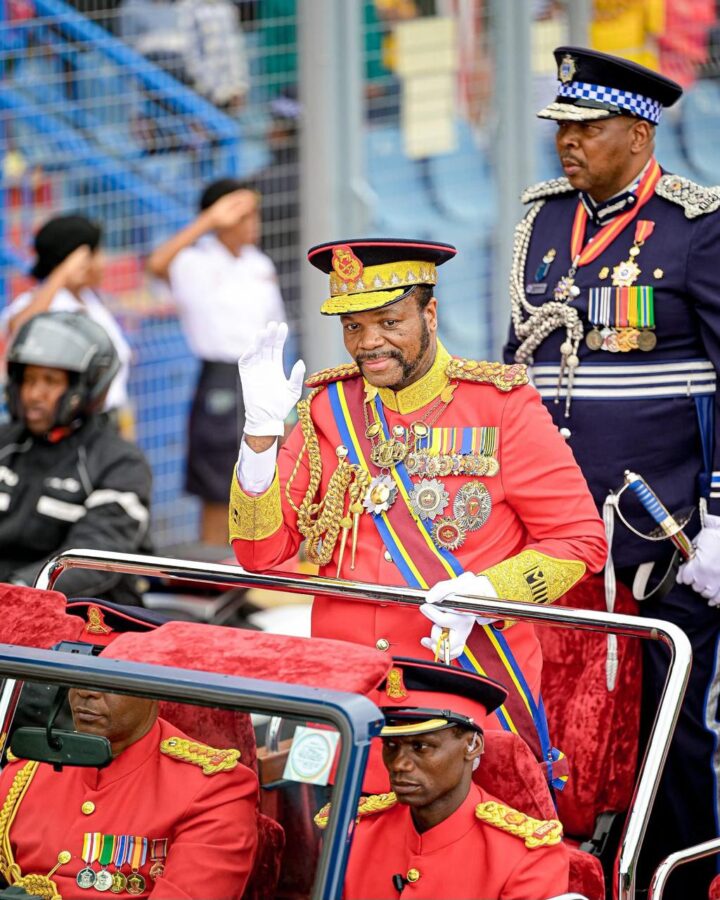
King Mswati III marked a historic dual milestone on Friday, April 24, 2026, celebrating both his 58th birthday and 40 years on the throne with a nationally observed Ruby Jubilee in Eswatini.
The celebrations, held at the Somhlolo National Stadium, drew thousands of citizens and regional leaders, while the government declared the day a public holiday in honour of the occasion.


Born Makhosetive Dlamini on April 19, 1968, Mswati ascended to the throne on April 25, 1986, becoming one of the world’s youngest monarchs at the time and remaining Africa’s last absolute monarch.
At the stadium event, colourful performances, marching bands and traditional displays accompanied tributes to the king’s four decades in power. Supporters credited his administration with initiatives such as free primary education and expanded healthcare services, including mobile clinics.
Regional dignitaries, including Letsie III, were among leaders expected to attend, underscoring the significance of the milestone within the Southern African Development Community (SADC).
The anniversary celebrations extended beyond the main ceremony, with additional traditional events scheduled for April 26 at the Ludzidzini Royal Residence, reflecting Eswatini’s blend of modern state ceremony and longstanding royal customs.
As part of the festivities, the king received substantial gifts during the traditional “tetfulo” presentations, including more than E18 million in cash and over 250 cattle contributed by citizens, companies and institutions.
In his address, Mswati thanked emaSwati for their loyalty and called for unity, describing the moment as one of “national thanksgiving and reflection” after four decades of leadership.
However, the celebrations also reignited criticism from opposition figures and activists, who argue that the scale of royal spending contrasts sharply with widespread poverty in the country. Roughly one-third of Eswatini’s population lives below the World Bank poverty line, and critics have previously cited inequality and governance concerns as sources of unrest.
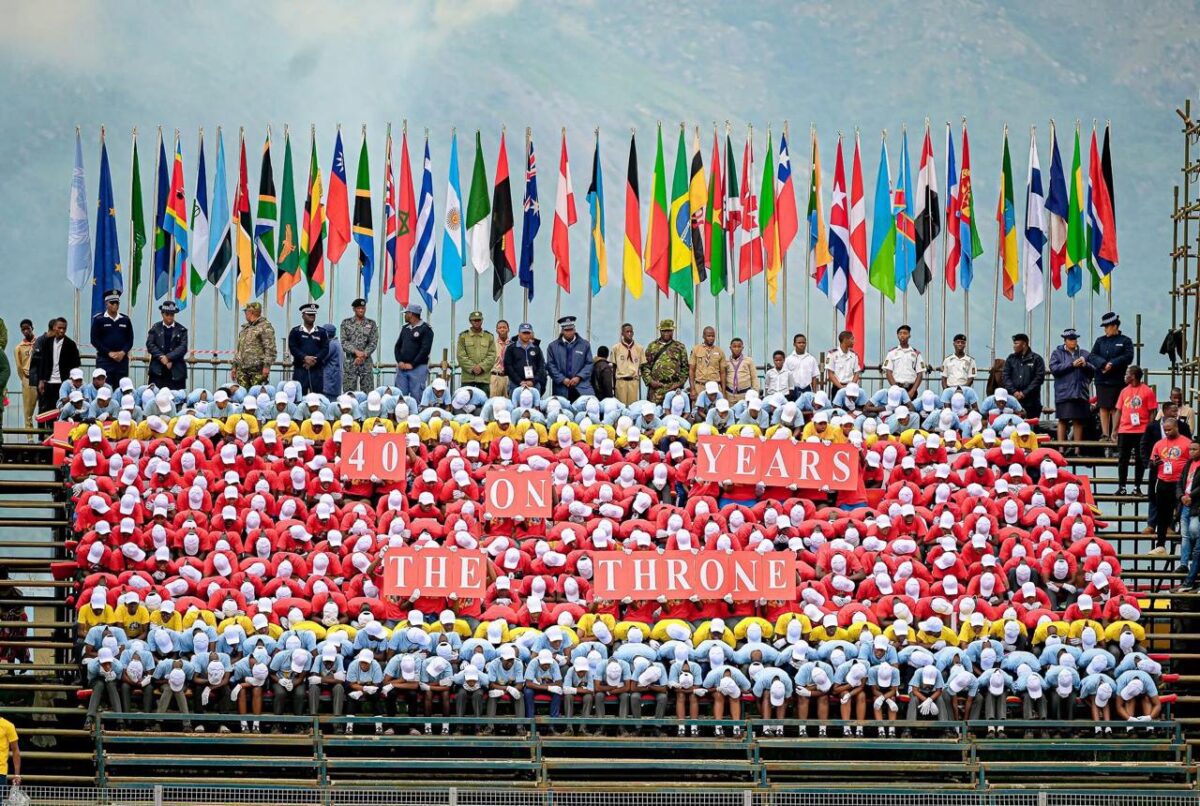
The Ruby Jubilee therefore highlighted both the enduring cultural reverence for the monarchy and the ongoing socio-economic tensions within the kingdom, as Eswatini reflects on four decades under King Mswati III’s rule.
About the Author