Life, seasoned with perspective.
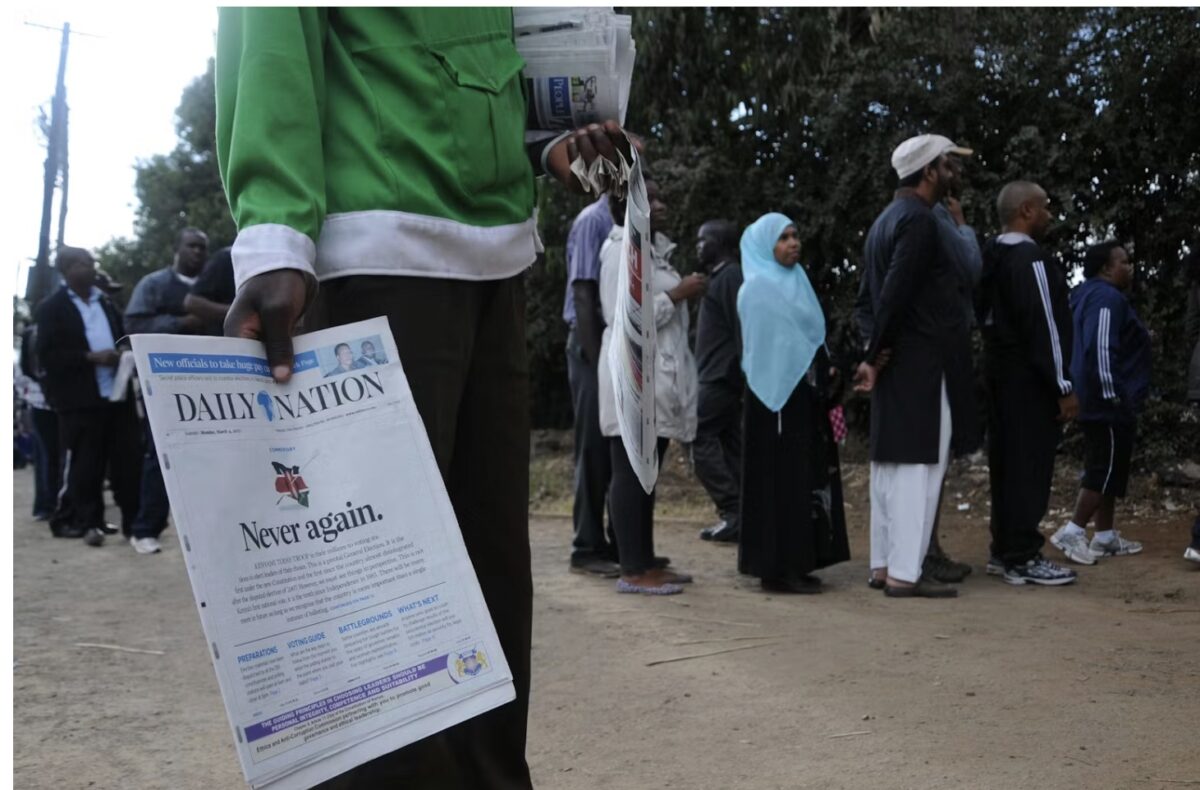
“A reflection on how politics can both divide and shape the destiny of a nation. It reminds citizens, especially young people, that the choices made during elections carry consequences far beyond the ballot.”
Sometimes I sit down and quietly weep for my country, Kenya. Not out of hopelessness, but out of deep concern. Each election season, the political temperature rises. Leaders beat the drums of competition, sometimes recklessly, as they fight to win or retain power. In the noise, it is easy to forget the cost that ordinary citizens pay.
I have had the privilege, and sometimes the burden, of covering three national elections as a journalist and communicator. I have also witnessed two constitutional referendums. But the events surrounding the 2007 general election remain the most difficult memories to carry.
In 2007, Kenya sank to a very painful low. What began as a democratic exercise quickly descended into violence. Neighbours turned against neighbours. Communities that had lived side by side suddenly became enemies. By the time calm returned, more than 1,200 people had died, and close to 350,000 others had been displaced from their homes.
Those of us working in media and communication at the time experienced the crisis in real time. Some stories we reported and moved on from. Others, however, never left our minds.
One such story took me to Kilgoris.
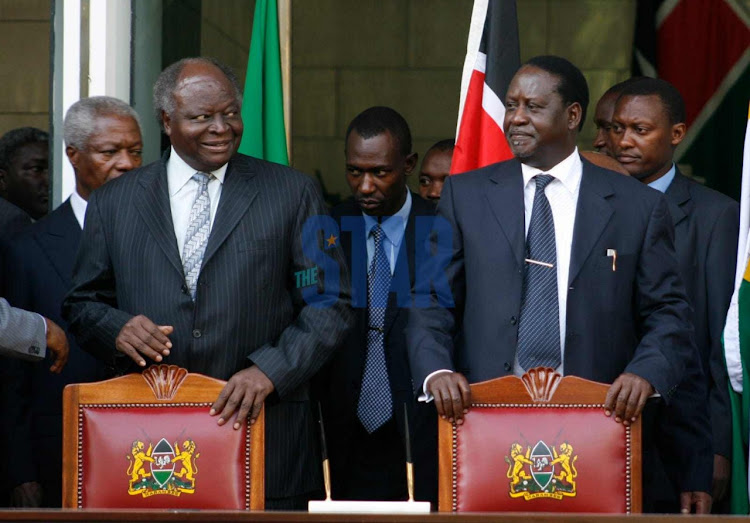
On June 9, 2008, together with a full production crew, we began a journey to Kilgoris constituency, which is now part of Narok County. The country was still recovering from the post-election violence triggered by the disputed presidential results of December 27, 2007. At that time, the presidential race had pitted the incumbent, Mwai Kibaki, against opposition leader Raila Odinga. The announcement of Kibaki as the winner ignited widespread unrest across the country.
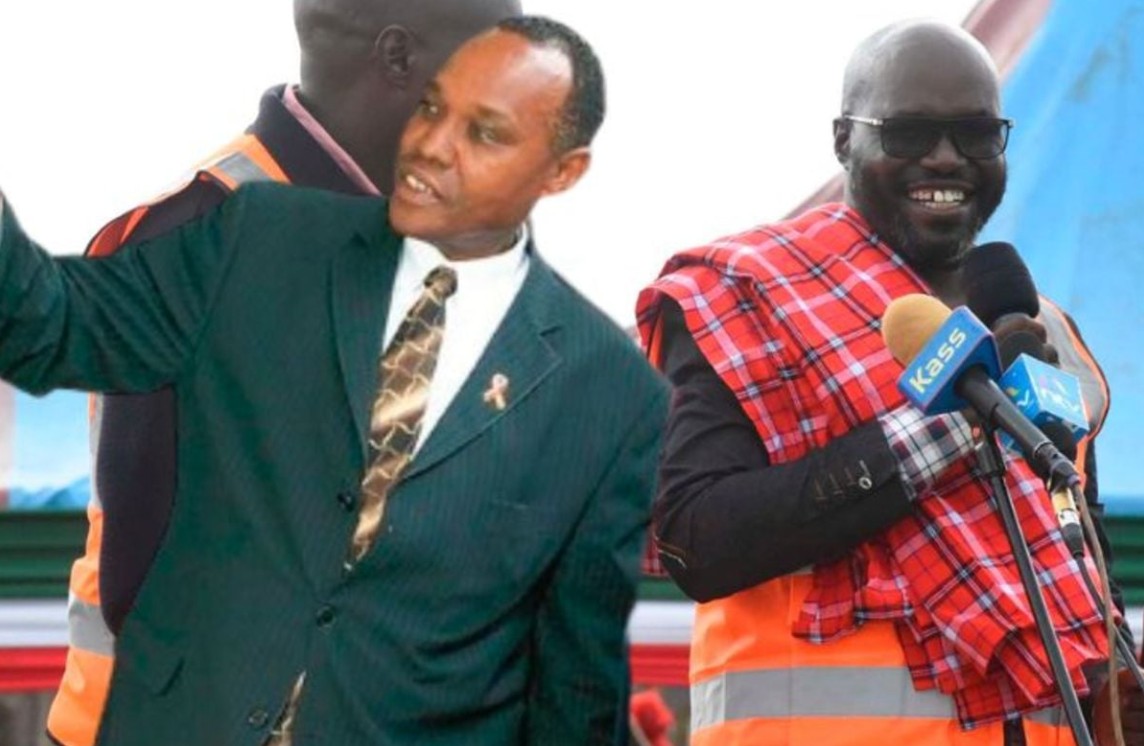
Weeks later, after intense negotiations led by former United Nations Secretary-General Kofi Annan and a team of African mediators, the two leaders agreed to form a coalition government. Kibaki remained President while Raila became Prime Minister in what was called the Grand Coalition Government. That agreement restored some stability to the country.
But the wounds were still fresh.
Kilgoris constituency had declared what was known as a zero result. The election there could not be concluded because violence had interrupted the tallying process. A by-election had therefore been scheduled for June 11, 2008, and it was considered one of the most sensitive contests in the country.
That is why we were heading there.
The race featured two main candidates. One was Gideon Konchellah, a powerful and well-known political figure aligned with the ruling coalition. The other was a relatively unknown candidate at the time, Johanna Ngeno of the small KADDU party.
You may recognize the name today.
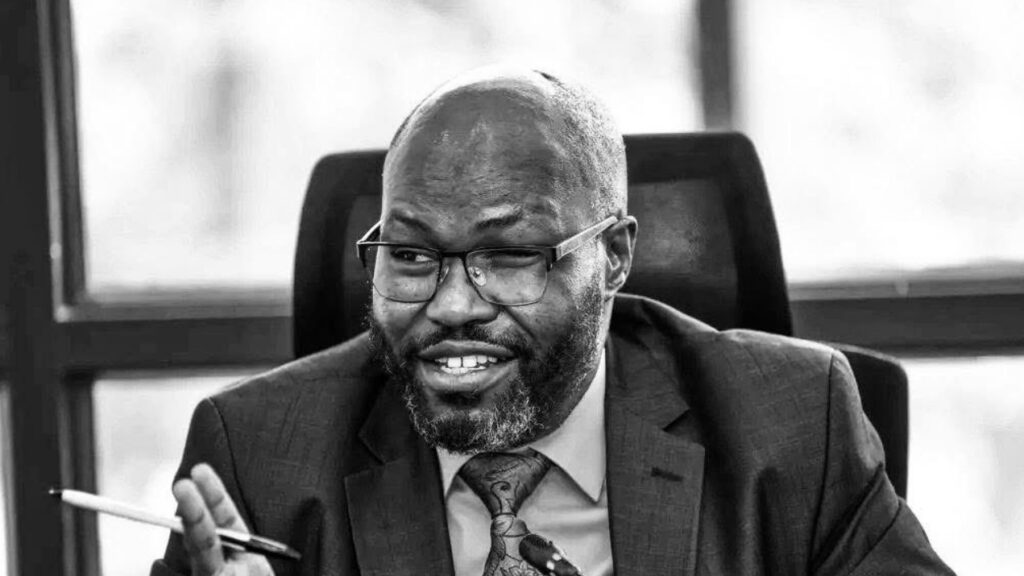
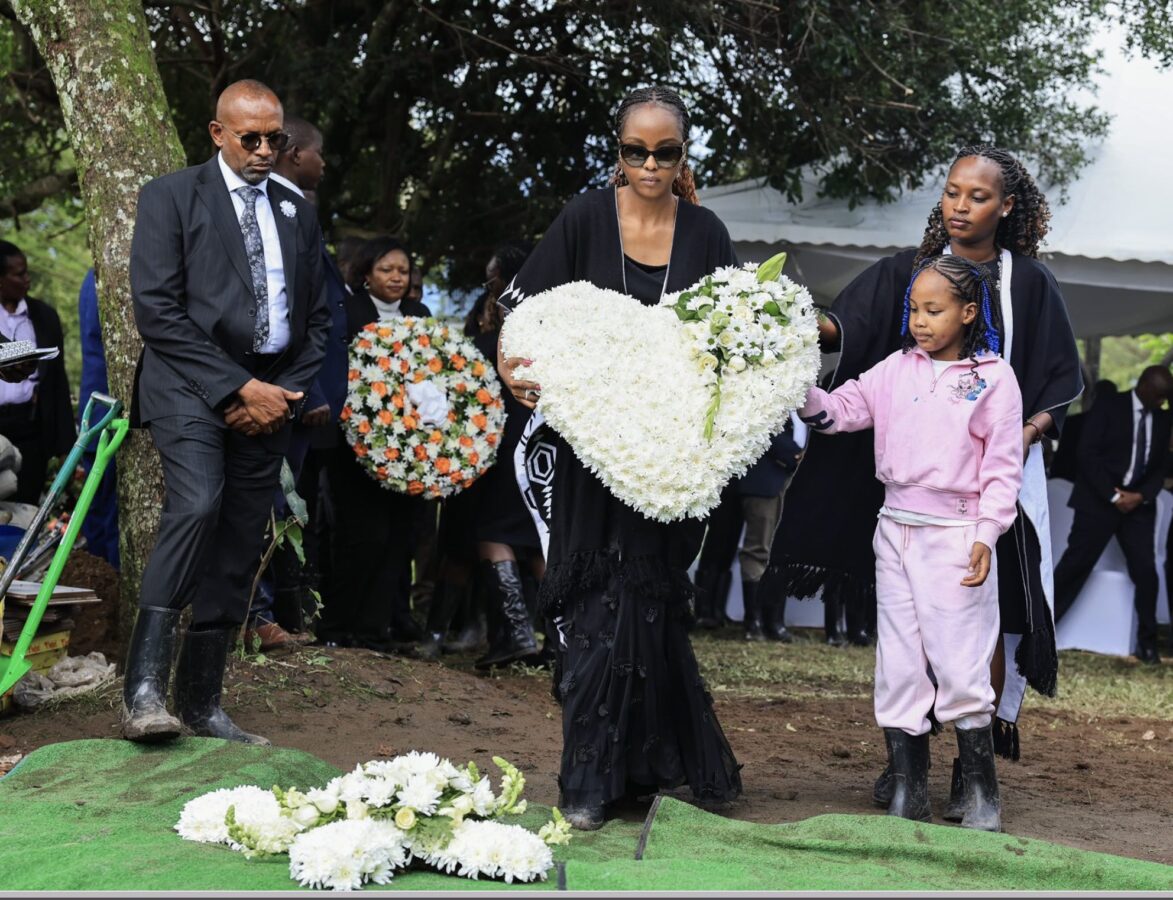
Johanna Ngeno recently passed away in a tragic plane crash and was laid to rest on 6th March 2026. At the time of his death, he was serving as the Member of Parliament for Emurua Dikir constituency.
But back in 2008, few people outside the region knew him.
How did Kilgoris end up with a zero result in the first place?
When Kenyans voted in December 2007, Kilgoris participated like every other constituency. As vote counting progressed, it became clear that Johanna Ngeno was leading and was likely to defeat the incumbent. That possibility shocked many people. Before the tallying could be completed, violent mobs stormed the counting centre at the Kilgoris County Council Hall.
Election officials were forced to halt the process.
Later, the building where ballot boxes were stored was set on fire. The ballots were destroyed. With no materials left to verify the outcome, the constituency had no option but to return to the polls.
But beneath the political competition lay something deeper.
Kilgoris was heavily divided along ethnic lines. Konchellah belonged to the Maasai community, which formed the majority in the area. Ngeno, on the other hand, came from the Kipsigis community, a minority group within the constituency. For some, the idea of a minority candidate winning the seat was unacceptable.
When we arrived in Kilgoris, the tension was visible everywhere. The atmosphere was uneasy. Communities had drawn invisible boundaries. In some areas, only members of certain communities could safely move around.
The communication challenge became obvious almost immediately. Accessing information was difficult. Speaking to one side of the political divide was easy, but reaching the other side required careful planning. Johanna Ngeno himself had to remain in hiding because of security fears.
It took us two full days to establish contact with him. To meet him, we had to cross into areas where we were strangers and rely on local guides who knew the terrain.
By the time the by-election approached, one truth had become painfully clear. The environment was too polarized. Under those circumstances, there was simply no way Ngeno could fairly compete. The community divisions were too deep.
Years later, political boundaries were redrawn and Emurua Dikir constituency was created out of the larger Kilgoris area. That decision eventually allowed Johanna Ngeno the opportunity to represent his people in Parliament.
When news of his passing reached me recently, memories from that period returned vividly. The tension. The fear. The uncertainty.
But they also brought a lesson.
Our politics often reflects our deepest divisions. Yet the same politics also carries the power to unite us if we choose differently.
For young people watching today’s political debates, it is easy to feel detached or discouraged. But the truth is that the future of Kenya will not be shaped by those who shout the loudest. It will be shaped by citizens who choose wisdom over division.
Elections should never be a battlefield for communities. They should be a contest of ideas.
If the story of Kilgoris teaches us anything, it is that political victories gained through division leave wounds that last far longer than the election cycle itself.
Perhaps the greatest tribute we can offer leaders like Johanna Ngeno is not simply remembering their journey, but building a political culture where no Kenyan has to hide simply for daring to contest.
About the author
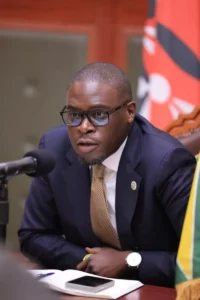
Kibisu Mulanda is a media executive and strategic communicator with more than 20 years of experience in television, NGO storytelling, and youth-focused content. He is the Acting Head of Switch Media Ltd and teaches media at the Kenya Institute of Mass Communication (KIMC). A Certified SIYB Trainer, he blends storytelling with strategy to drive social impact.
About the Author