
Over the past two decades, Africa has made significant strides in expanding access to healthcare. Investments in infrastructure, insurance expansion, workforce development, and digital innovation have brought services closer to millions who were previously excluded from formal systems. Across the continent, governments and their partners have embraced technology with urgency, viewing it as a powerful accelerator of inclusion and efficiency.
Yet access alone is not the ultimate measure of progress. The next phase of Africa’s health transformation will not be defined by the number of facilities built, applications deployed, or systems digitized. It will be defined by how effectively healthcare ecosystems deliver accountability, transparency, and measurable outcomes for the populations they serve.
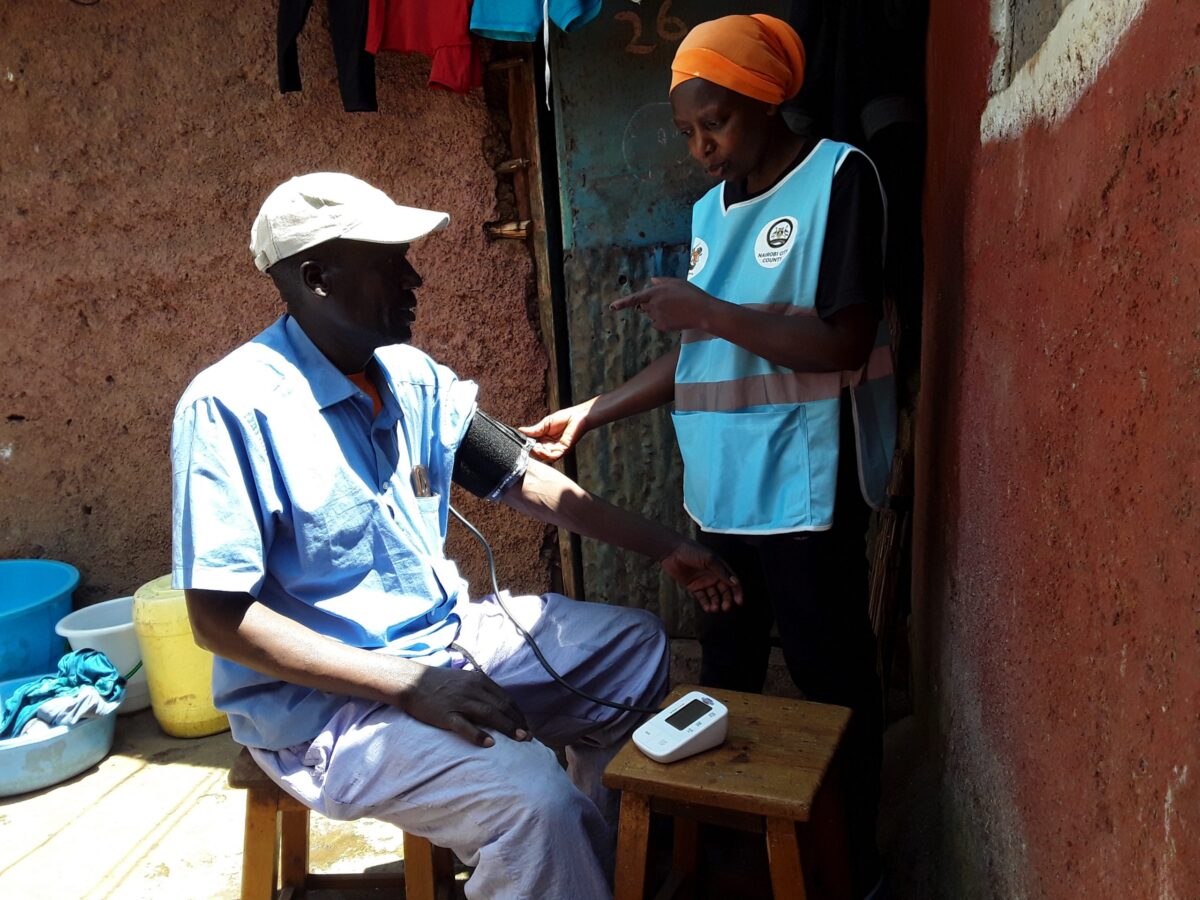
In many markets, digital tools have proliferated rapidly. Electronic medical records, biometric identification systems, insurance claims platforms, telemedicine services, and supply-chain tracking solutions are becoming increasingly common.
These innovations are important—and in many cases transformative. However, when introduced in isolation they risk becoming fragmented layers within already complex and sometimes inefficient systems. Technology that is not integrated into governance and financing frameworks can inadvertently digitize inefficiency rather than resolve it.
Healthcare systems rarely falter because innovation is absent. More often, they struggle because interoperability is weak, incentives are misaligned, and accountability mechanisms are insufficient. A hospital may digitize patient records while reimbursement processes remain manual and slow. An insurance programme may modernize enrolment yet lack real-time oversight of claims performance. A supply-chain platform may generate data, but that data fails to inform procurement decisions at policy level. Without systemic coordination, digital solutions risk becoming tools without institutional impact.
As African nations pursue Universal Health Coverage agendas, the conversation must evolve. The critical question is no longer simply how many citizens can be enrolled in health schemes, but how effectively those schemes perform for each beneficiary.

Accountability in healthcare means transparent claims management, accurate beneficiary identification, timely provider payments, reliable data for decision-making, and financial sustainability grounded in evidence rather than assumption. These are not purely technical objectives; they are governance priorities.
The next frontier, therefore, is not digital expansion for its own sake, but system strengthening. Technology must be treated as core public infrastructure—akin to transport networks or energy grids—requiring long-term planning, regulatory clarity, and institutional ownership. Standards-driven implementation, cross-sector collaboration, cybersecurity safeguards, and skilled human capital are prerequisites if digital investments are to translate into durable system reform.
Countries that succeed in this next phase will be those that shift from procurement-led digitisation to strategy-led transformation.
The private sector has a central role to play, but that role must be framed responsibly. Sustainable impact lies not in disruption for its own sake, but in integration that strengthens national systems. Innovation should reduce administrative friction, enhance oversight, and build public trust. Platforms must be interoperable, secure, and aligned with national health priorities. Above all, they must enable performance measurement.
When technology enhances visibility across financing flows, service delivery metrics, and patient outcomes, it becomes an instrument of accountability rather than merely a convenience tool.
This transition demands executive-level alignment. Healthcare transformation cannot be delegated to information technology departments alone. It requires coordination across ministries of health and finance, insurers and payers, provider networks, development partners, and technology leaders.
Africa does not lack ideas or pilot projects. What is often missing is synchronized execution at leadership level—where policy, financing, and innovation converge.
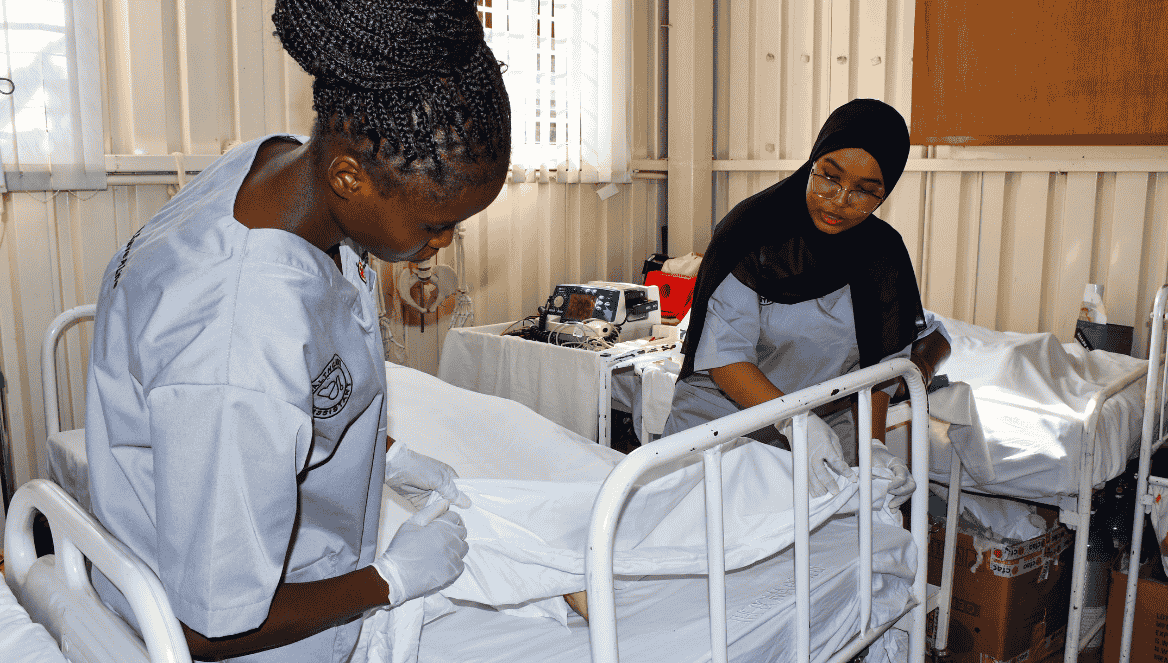
Convening such leadership dialogue is therefore not a ceremonial exercise but a strategic necessity. Platforms such as Smart Summit 2026, scheduled for 19 March 2026 in Nairobi, are designed to bring decision-makers together to move beyond discussion toward actionable alignment. The objective is not to showcase technology, but to examine how digital infrastructure can be embedded within accountable systems that deliver measurable results for citizens.
Africa’s healthcare journey has achieved important gains in access. The challenge now is to ensure that access translates into quality, efficiency, and sustainability. The future will not be determined by how many applications we deploy, but by how resilient, transparent, and performance-driven our health systems become.
Access was the first milestone. Accountability must be the next.
The author is the Group Managing Director of Smart Applications International, a healthcare technology company.
About the Author