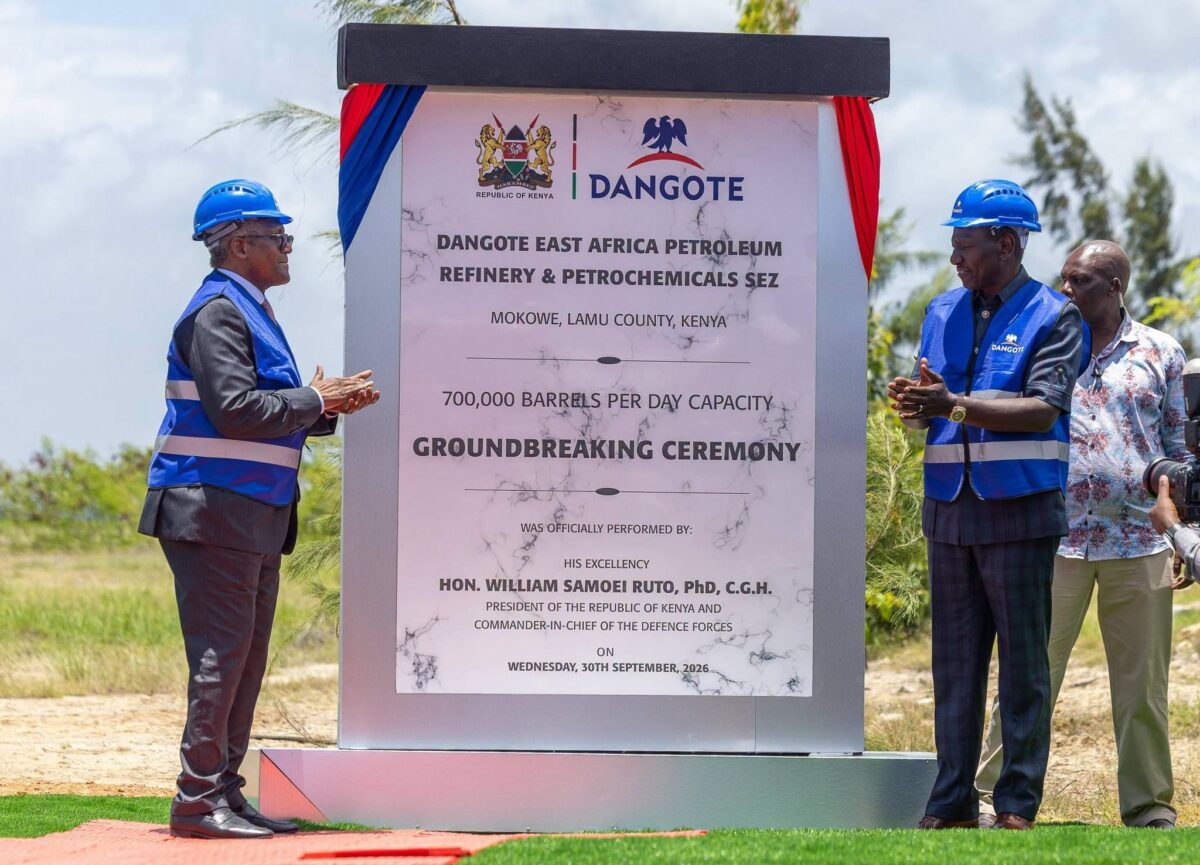
President William Ruto brokes ground on Dangote’s planned $16 billion East Africa refinery in Lamu, setting in motion one of Kenya’s largest planned industrial projects.
The refinery is designed to process 700,000 barrels of crude oil per day and is expected to serve Kenya and other East African markets with refined petroleum products. Construction is expected to take about three years, according to reports on the project.
The groundbreaking ceremony on Wednesday, September 30, brought together President Ruto, Nigerian industrialist Aliko Dangote and regional leaders as the project moved from planning into construction.
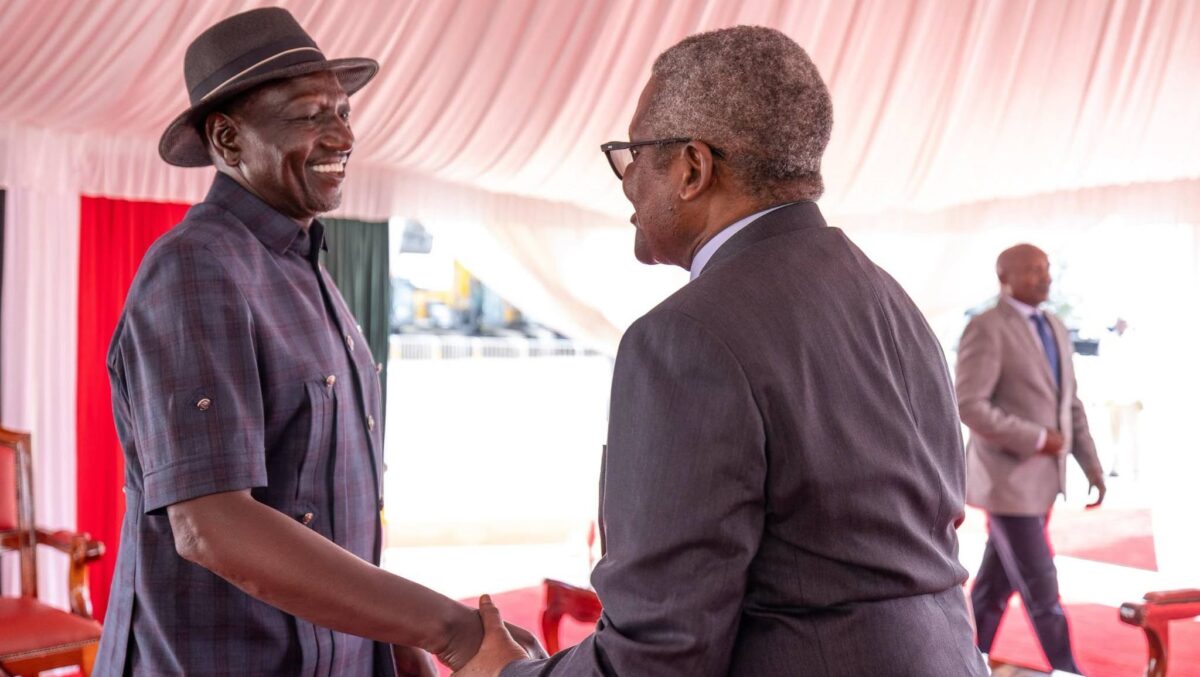
Ruto described the project as part of a wider push to process more African raw materials on the continent instead of exporting them for processing elsewhere.
“This is bigger than a refinery,” Ruto said, linking the project to energy security, industrialisation and regional integration.
From crude oil to finished products
The proposed refinery is expected to become one of the largest industrial facilities in East Africa, with a planned capacity of 700,000 barrels per day. Reuters reported that the facility is intended to reduce East Africa’s dependence on imported refined petroleum products.
The project is also expected to support related industries, including petrochemicals, chemicals and packaging.
Ruto has said the facility could also generate about 1,000 megawatts of electricity, adding a power-generation component to the wider industrial project.
Africa remains a major producer of crude oil but imports large quantities of refined petroleum products. The Kenyan government sees local refining as a way of bringing more processing closer to the markets that consume fuel.
Kenya currently relies heavily on imported refined petroleum products, making the planned facility strategically important to the country’s energy sector.
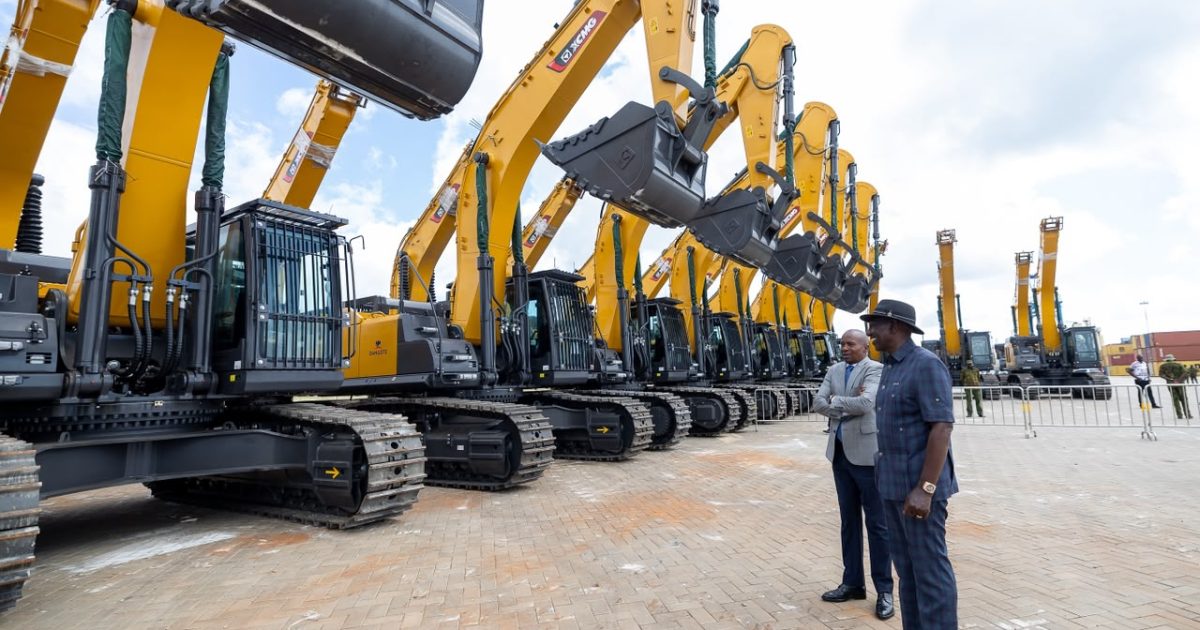
More than 2,900 tonnes of heavy construction machinery had already arrived at Lamu Port ahead of the groundbreaking ceremony. The equipment is expected to support the initial construction phase.
Jobs and business opportunities
For Lamu residents, one of the biggest questions is what the refinery will mean for employment and local businesses.
The government expects the wider project to create more than 60,000 direct and indirect jobs, with a significant share expected to be skilled positions.
The project is also expected to create demand for transporters, contractors, accommodation providers, food suppliers, construction-material suppliers, logistics companies and professional services.
Ruto has called for local workers and businesses to have opportunities to participate through training, recruitment and contracts.
Young people from Lamu and neighbouring counties could benefit from opportunities in areas such as welding, technical work, engineering, construction and management.
At the same time, the project faces questions from residents and environmental groups over land, compensation and environmental protection.
The planned refinery has been the subject of legal challenges relating to land rights, with a Kenyan court ordering the maintenance of the status quo while the dispute proceeds. Dangote has nevertheless maintained that the groundbreaking would go ahead.
Lamu at the centre of the LAPSSET corridor
The refinery is being developed on land associated with the Lamu Port-South Sudan-Ethiopia Transport (LAPSSET) Corridor, placing it within a wider network of planned transport and industrial infrastructure.
Lamu Port is expected to play a major role in receiving equipment and, eventually, supporting the movement of crude oil and petroleum products.
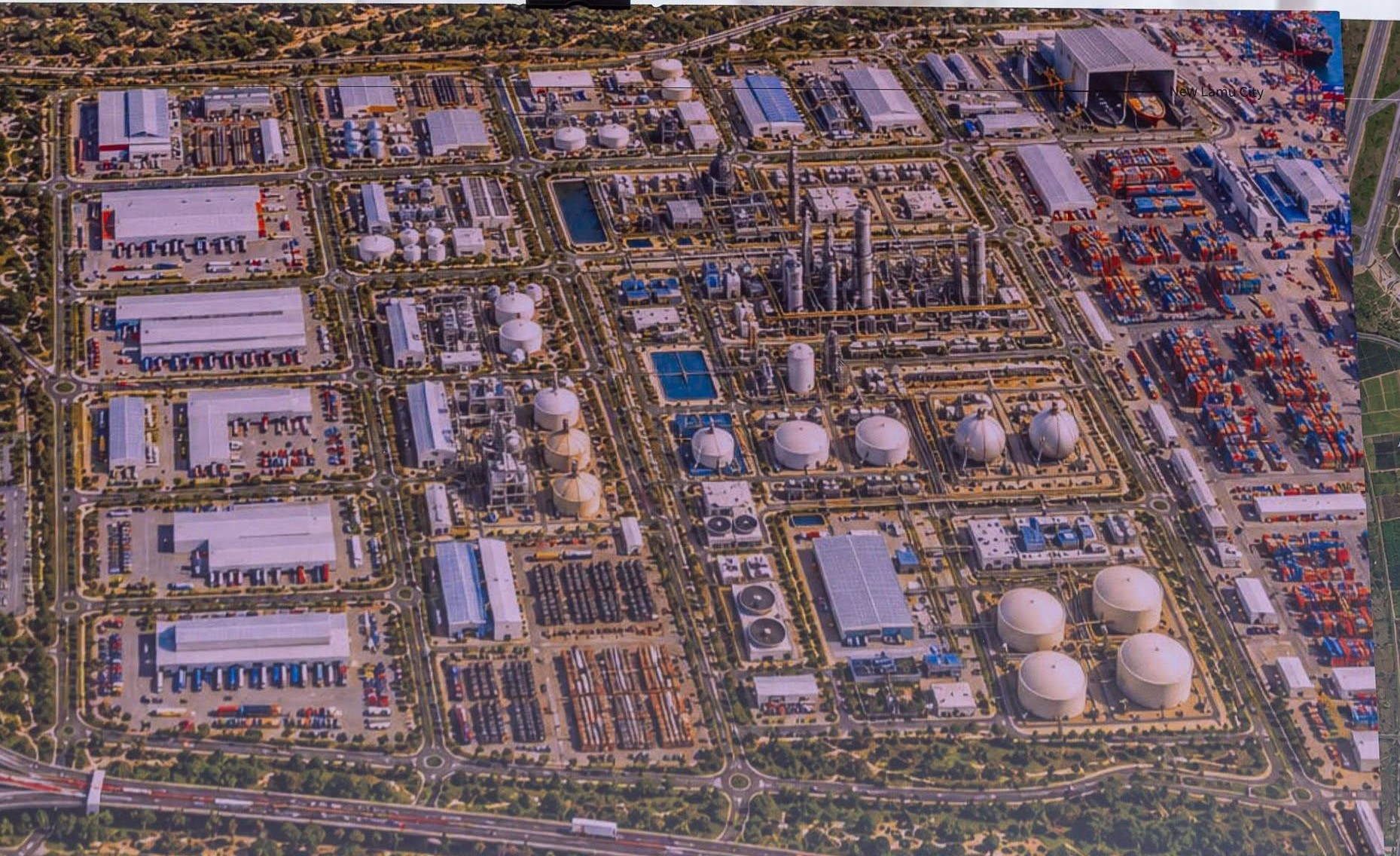
The government hopes the refinery will help position Lamu as a regional industrial and energy hub, with related investment in transport, housing, water and other infrastructure.
Kenyans could access Dangote IPO through NSE
As Kenya hosts the groundbreaking of the Lamu refinery, another Dangote development is attracting attention among Kenyan investors.
Dangote Petroleum Refinery in Nigeria is currently conducting an IPO involving 4.1 billion shares at 525 Nigerian naira each, equivalent to about Sh49.25 per share at the exchange rate reported by Business Daily. The Nigerian offer opened on September 14 and is scheduled to close on October 13.
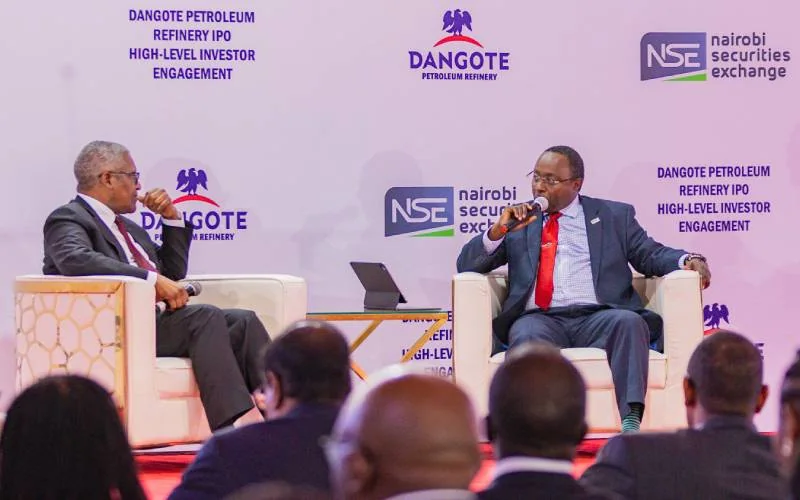
Kenyan investors could soon have a local route to participate through Global Depositary Receipts (GDRs) on the Nairobi Securities Exchange.
The proposed arrangement, being developed by Renaissance Capital, would allow Kenyan investors to buy GDRs representing the underlying Dangote refinery shares held in Nigeria. Stanbic Bank is expected to act as custodian in the arrangement.
Minimum investment of about Sh490
The proposed Kenyan offer is expected to follow the Nigerian IPO’s minimum subscription of 10 shares.
At about Sh49.25 per share, 10 shares would cost approximately Sh492.50 before fees.
Business Daily reported that the Kenyan GDR offer is targeting an opening between October 5 and October 13, subject to approval by the Capital Markets Authority and the NSE. This means investors should not treat October 6 as a confirmed opening date yet.
If approved, the receipts are expected to trade on the NSE from December 8, 2026, with Kenyan investors able to buy and sell them through licensed local brokers.
The proposed NSE route would give ordinary Kenyan investors an easier way to access the Dangote IPO without opening a Nigerian brokerage account.
The Nigerian IPO is for Dangote Petroleum Refinery and Petrochemicals Freezone Enterprise, the Lagos-based refinery, and is separate from the planned Lamu refinery. The IPO proceeds are intended to support the expansion of the Nigerian refinery from its current capacity of about 700,000 barrels per day towards 1.4 million barrels per day.
A major project with major questions
The Lamu refinery is expected to transform Kenya’s petroleum-processing landscape if completed as planned.
But its success will depend on more than construction.
Questions remain around the long-term supply of crude oil, supporting infrastructure, financing, environmental safeguards and the project’s relationship with surrounding communities. Reuters has also reported questions around securing sufficient crude supplies for the planned facility.
For the government, the project represents a test of its strategy of using private capital to drive large industrial investments.
For Lamu residents, the focus will be on jobs, business opportunities, land rights and environmental protection.
For Kenyan investors, attention will also turn to whether the proposed NSE mechanism receives regulatory approval and opens as planned in October.
The groundbreaking has therefore marked more than the beginning of construction. It has also put Lamu, Dangote’s African expansion and the wider question of African ownership of major industrial assets firmly in the spotlight.
The refinery is moving from plans to construction, while Kenyan investors await regulatory approval for a potential NSE route into Dangote’s separate Nigerian refinery IPO.
About the Author