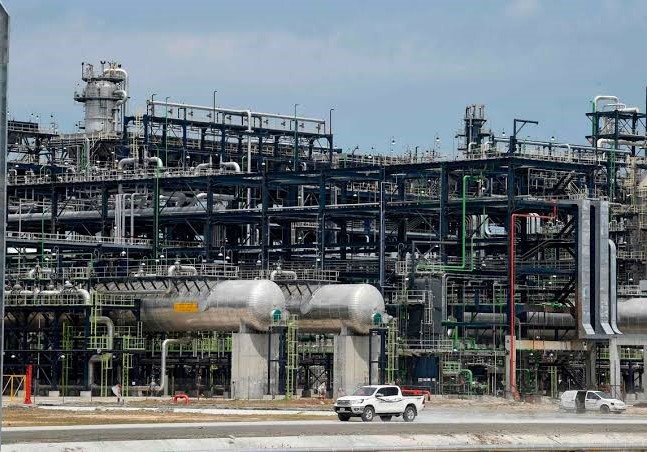
Young people in Lamu want a clear promise before work begins on Dangote’s proposed oil refinery: at least 70 per cent of the jobs should go to local residents. The demand comes as the Ksh2.2 trillion project moves closer to construction, with groundbreaking expected in September. The proposed refinery and petrochemical complex is expected to create about 60,000 jobs during construction and operations, according to government statements and recent reports.
For many residents, the project represents a rare chance to address persistent unemployment in the coastal county. But they fear that the scale of the investment could bring jobs and business opportunities to outsiders while leaving the host community behind.
“We are not against the refinery. We agree with the refinery taking place because we have no jobs and this opportunity can give us 60,000 positions that will help many youths here,” one youth told local media.
Residents want a binding agreement
Community leaders are asking the government and Dangote Group to put the local employment commitment in writing.
They also want residents to have a voice in decisions on jobs, training, community projects and other benefits linked to the development.
The demand for a 70 per cent local employment share has been raised by Lamu community leaders in recent weeks. Some have also called for an agreement covering employment, business opportunities and community development before the project proceeds.
The concerns are not limited to jobs. Residents have also raised questions about whether local communities will be properly consulted and whether traditional economic activities, including fishing, will be protected as the project takes shape.
A project with regional ambitions
The proposed refinery is much larger than a local employment project.
The facility is planned to process up to 700,000 barrels of crude oil a day and is expected to serve Kenya and the wider East African market. The overall investment, including associated infrastructure, has recently been put at about $20 billion, or roughly Ksh2.6 trillion, although earlier reports have cited a Ksh2.2 trillion figure.
President William Ruto has said the project could create about 60,000 jobs for young Kenyans.
Dangote Group has also offered East African governments a combined 30 per cent stake in the project. Kenya has been offered a 10 per cent share worth about $500 million, while Ethiopia and Rwanda have expressed interest in participating, according to David Ndii, an economic adviser to President Ruto.
The proposed investment has therefore raised expectations far beyond Lamu.
But the skills required for a refinery of this scale could present a challenge. A recent report by The Standard highlighted concerns over Kenya’s shortage of workers with the specialized skills needed to operate a modern refinery.
That is why Lamu residents are also pressing for training programmes. They want young people prepared for skilled and professional positions, rather than being limited to temporary or lower-paid work.
Support for the project, with conditions
The community’s position is not a rejection of the refinery.
Residents and local leaders have largely welcomed the investment, viewing it as an opportunity to bring jobs, businesses and infrastructure to the county. But they want development to include the people who live where the project will be built.
For Lamu’s young people, the message is straightforward: if the refinery is expected to change the county’s economic prospects, local residents should be among its first beneficiaries.
With construction expected to begin next month, the question now is whether the government and Dangote Group will provide the formal guarantees the community is seeking.
About the Author