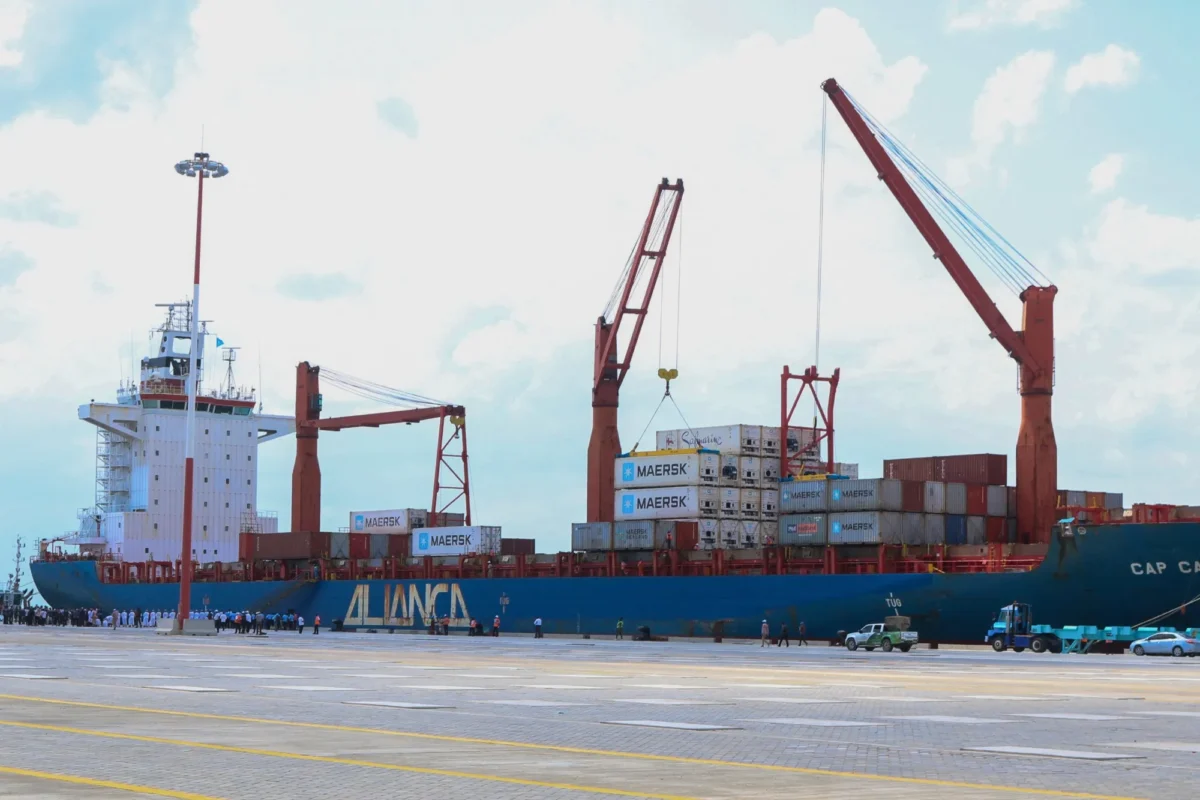
East Africa’s long-running contest over trade routes and energy infrastructure is entering a new phase. This time, the prize is not simply a pipeline or a port. It is control over where the region stores, refines and distributes its oil.
Kenya is backing a proposed 700,000-barrel-a-day refinery in Lamu, led by Nigerian industrialist Aliko Dangote. At the same time, Uganda and Tanzania have agreed to develop a regional energy hub at Tanga, a project that officials say could attract more than $20 billion.
Both projects are being presented as regional ventures. But their locations tell another story.
They place Kenya and Tanzania once again on opposite sides of a familiar competition: which country will become East Africa’s principal gateway for trade and energy?
A pipeline dispute set the pattern
The rivalry has deep roots.
In 2014, Kenya and Uganda agreed to build a crude oil pipeline linking Uganda’s oilfields near Lake Albert to the Kenyan coast.
The arrangement did not last.
Uganda eventually chose a southern route through Tanzania. The resulting East African Crude Oil Pipeline, or EACOP, is being built from Hoima in western Uganda to Tanga on Tanzania’s Indian Ocean coast.
The pipeline is now nearing completion. Ugandan authorities reported that it was about 90 per cent complete at the end of June, while more recent reports put progress at about 91 per cent.
The 1,443-kilometer pipeline is designed to carry Uganda’s crude to the Chongoleani terminal near Tanga for export.
The first oil is expected as Uganda moves towards commercial production.
For Tanzania, EACOP has given Tanga a strategic role in Uganda’s oil industry. For Kenya, it was a reminder that access to Uganda’s landlocked economy and its oil could not be taken for granted.
Then came the refinery
The latest contest began with an attempt at cooperation.
East African governments discussed the idea of a regional refinery, with Tanga initially emerging as one possible location. Dangote offered to build the facility if governments could agree on the necessary arrangements.
Kenyan President William Ruto publicly supported the regional concept.
But Dangote eventually chose Kenya.
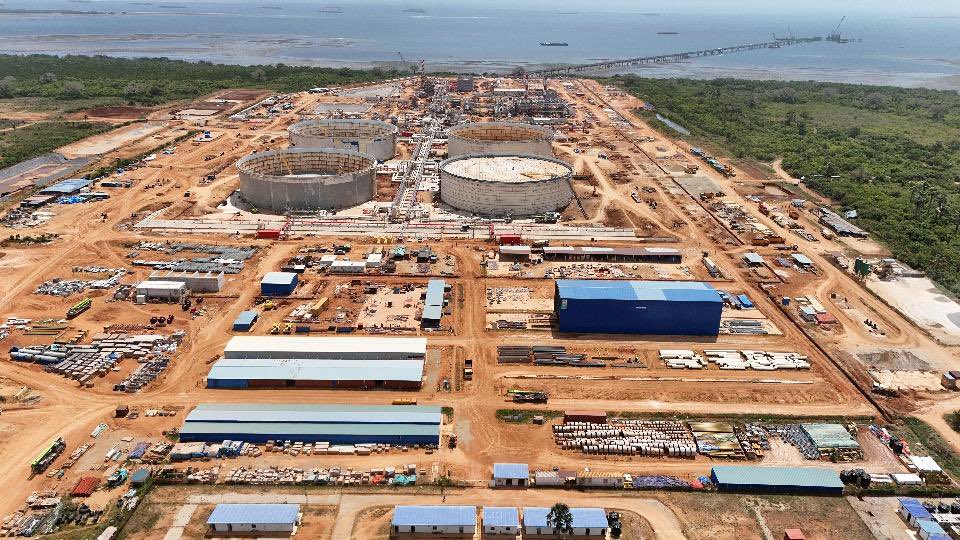
The proposed refinery is now planned for Lamu, where the company says site preparations, including soil testing and engineering work, have begun. Dangote executive Edwin Devakumar told Reuters that Kenya had been the company’s choice from the beginning.
Dangote has said the facility could cost between $15.5 billion and $16 billion, lower than the earlier estimate of about $17 billion. Groundbreaking is expected by October, according to the company.
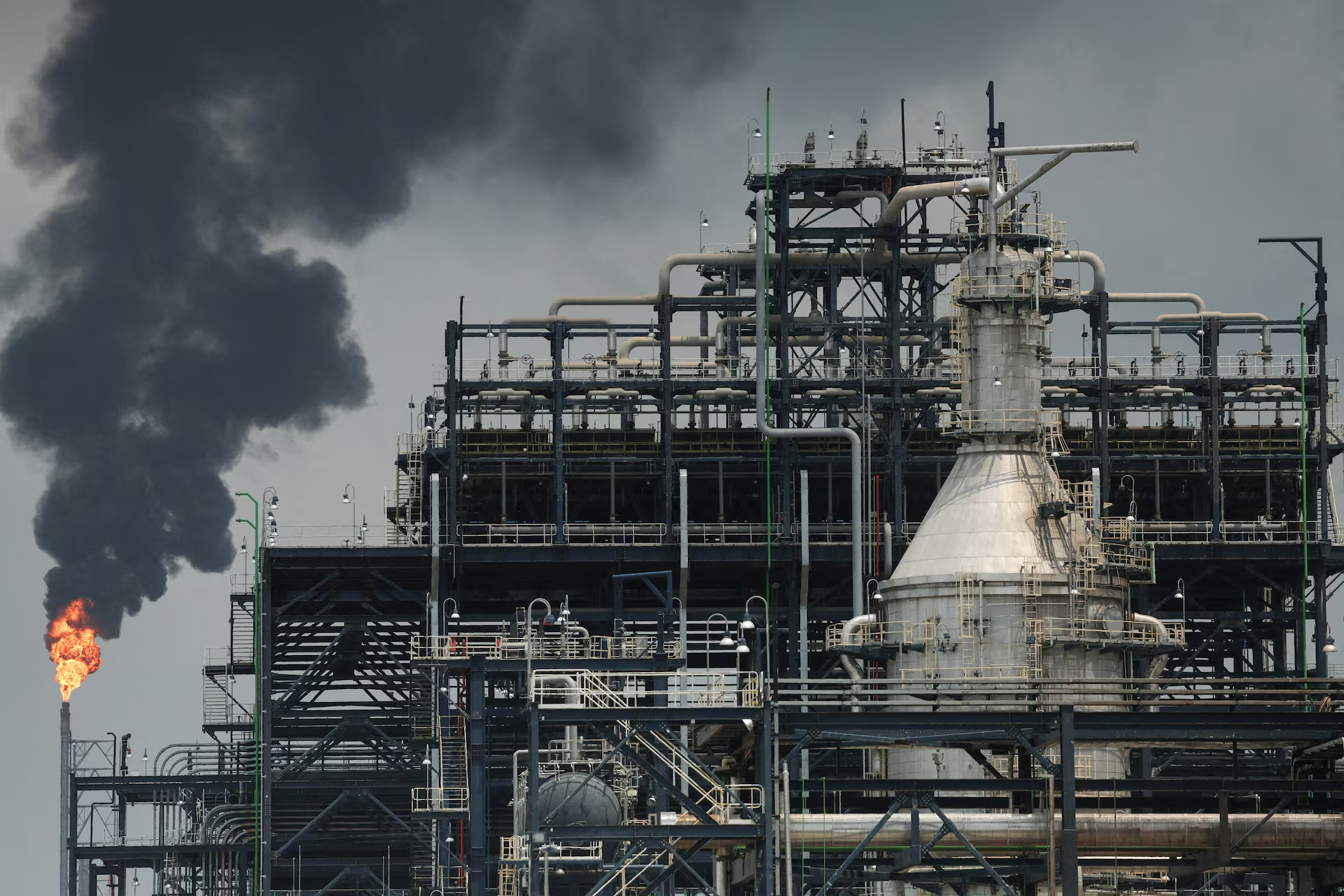
The proposed refinery would be significantly larger than Uganda’s planned 60,000-barrel-a-day Hoima refinery.
It is also intended to serve more than Kenya.
President Ruto has said the plant could supply countries including Uganda, Tanzania, Ethiopia, South Sudan, Rwanda, Burundi and the Democratic Republic of Congo.
That regional ambition is important.
A refinery in Lamu would give Kenya a major new role in supplying fuel to neighboring countries. It would also strengthen the economic case for the Lamu Port-South Sudan-Ethiopia Transport, or LAPSSET, corridor.
Tanzania and Uganda respond
Tanzania has not been left without an answer.
On Aug. 6, Uganda’s National Oil Company, Tanzania’s Petroleum Development Corporation and Vitol Bahrain signed a memorandum of understanding to develop the Tanga Regional Energy Hub.
The plan includes petroleum storage, refining, logistics, trading and distribution facilities.
Tanzanian officials say the wider development could attract more than $20 billion in investment.
The project would build on EACOP and the infrastructure already taking shape around Tanga.
Tanzania’s Energy Minister, Deo Ndejembi, has described the proposed hub as the next stage of the countries’ petroleum partnership.
The government has also stressed that Tanga and Uganda’s planned Hoima refinery are not necessarily competing projects.
Instead, officials argue, they can complement one another. That may be the diplomatic message. The commercial implications are harder to ignore.
Uganda is keeping its options open
Uganda sits at the centre of the contest.
It needs routes to export its crude. It also wants to capture more value from its oil before it leaves the country.
Its strategy appears to involve more than one option.
Uganda is pursuing its own refinery at Hoima while remaining involved in the Tanga energy hub. The proposed Tanga facilities would also work alongside the existing EACOP infrastructure.
For Kampala, maintaining several partnerships may offer greater room to negotiate.
It also reflects the reality of being a landlocked oil producer. Uganda depends on neighbouring countries for access to international markets.
The economics are bigger than the rivalry
There is a strong economic argument behind the push for refining capacity.
East African countries remain heavily dependent on imported petroleum products. A major refinery could shorten supply chains and reduce exposure to disruptions in international shipping and global fuel markets.
Dangote’s Lamu project could make Kenya a major refining and distribution centre.
Tanga could play a similar role for Tanzania and Uganda.
But neither project is guaranteed simply because governments have announced them.
The Tanga agreement is a memorandum of understanding, while the Lamu refinery remains a major investment that still requires financing, approvals and construction.
The scale of the proposed projects also brings environmental and social questions.
More than 20 civil society organisations have raised concerns about the possible impact of the Tanga energy hub on mangroves, fisheries, coral reefs and marine-protected areas.
The Lamu refinery has also faced opposition from environmental groups, who have raised concerns about the county’s fragile ecosystem and the potential effects of large-scale industrial development.
Those concerns are likely to remain part of the debate as both projects advance.
A new contest with an old history
The rivalry between Kenya and Tanzania is not new.
For decades, the two countries have competed to attract trade from landlocked neighbours and to develop ports and transport corridors connecting the interior to the Indian Ocean.
Uganda and Rwanda have often been central to that competition because of their geographic position and growing markets.
Oil has now raised the stakes.
The question is no longer simply whether Uganda’s crude reaches the coast.
It is what happens after it gets there.
Who stores it? Who refines it? Who supplies the region? And which port becomes the centre of that trade?
Lamu and Tanga are now offering competing answers.
Yet there is also a possibility that both can succeed.
East Africa’s energy demand is large, and the region’s governments have repeatedly argued that stronger infrastructure links can create a larger market for everyone.
The real test will be whether competition produces better infrastructure and cheaper, more reliable energy or simply another round of regional rivalry.
About the Author