Kenya’s efforts to bring its finances under control are facing a new test: the cost of preparing for the 2027 General Election. S&P Global Ratings expects the country’s fiscal deficit to widen to 7.1 per cent of GDP in the 2026-27 financial year, well above the government’s target of 5.5 per cent.
The agency cited several pressures, including weaker-than-expected revenue collection, high interest payments and increased spending linked to the election. It also pointed to additional costs arising from the conflict in the Middle East.
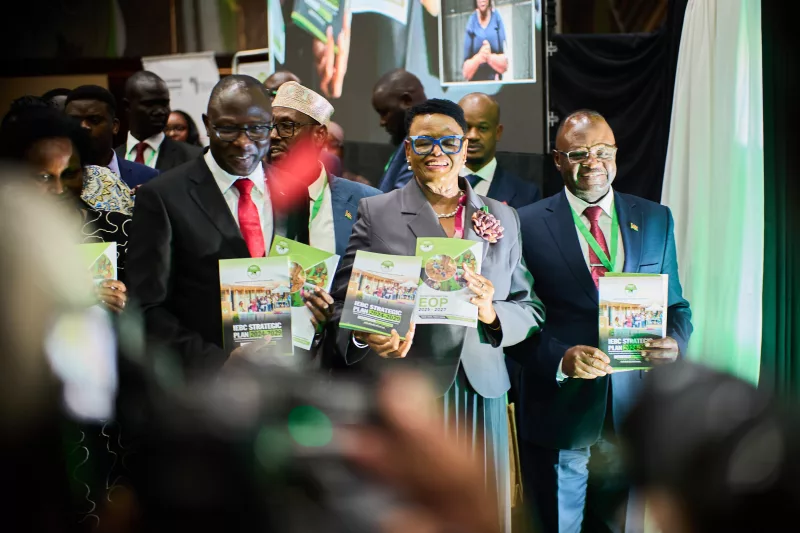
The warning comes as the Independent Electoral and Boundaries Commission prepares for one of Kenya’s most expensive elections.
Election bill adds to pressure
The IEBC has said it needs about Sh74.8 billion for the 2027 elections. Its allocation for the 2026-27 financial year was about Sh41.3 billion, leaving a funding gap of roughly Sh33.4 billion, according to parliamentary discussions.
The commission has linked the higher costs to a growing number of voters and polling stations, as well as preparations for voter registration, civic education, logistics and election technology.
The planned replacement of election technology has also drawn scrutiny.
IEBC officials have said the commission intends to replace the KIEMS devices used in the 2022 election, arguing that the equipment is outdated.
The spending comes at a difficult moment for the Treasury.
The government is already dealing with high debt-service costs and revenue that has repeatedly fallen short of budget expectations. S&P has warned that these pressures will make fiscal consolidation slower in the run-up to the election.
A difficult choice for Treasury
The government faces competing demands.
It must fund an election that meets constitutional and administrative requirements while also limiting borrowing and keeping debt under control.
Cutting election preparations could create risks for voter registration, staff training, logistics and technology. But increasing spending could widen the deficit and leave the government more dependent on borrowing.
The challenge is made harder by limited political room for new taxes. Previous attempts to raise revenue have faced strong public resistance.
S&P nevertheless kept Kenya’s sovereign credit rating at B/B and maintained a stable outlook. The agency said the country continues to benefit from economic growth prospects and stronger external buffers, including increased foreign-exchange reserves.
S&P also lowered its forecast for Kenya’s 2026 economic growth to 4.9 per cent, from 5.1 per cent, citing higher energy and fertiliser costs and disruptions to trade and logistics linked to the Middle East conflict.
For President William Ruto’s administration, the figures underline the narrow space available ahead of 2027.
The government will have to finance the election, maintain essential public services and continue development programmes while trying to reduce the deficit.
The question is whether Kenya can do all three without pushing its borrowing needs and the cost of servicing its debt even higher.
About the Author