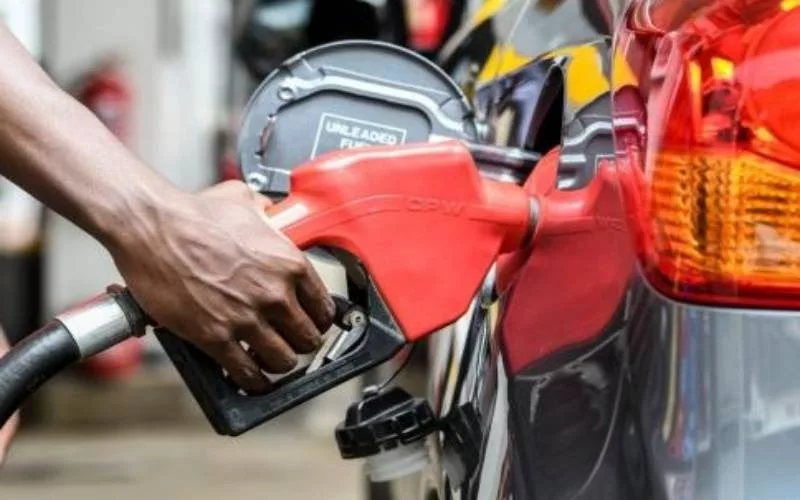
Global oil prices fell sharply on Monday after signs that military tensions between the United States and Iran had eased, calming fears of a prolonged disruption to energy supplies.
Brent crude, the international benchmark for oil, dropped by more than nine per cent, falling below $88 a barrel. The decline marked a dramatic reversal from last week, when prices briefly climbed above $100 as fighting in the Middle East unsettled global markets.
The latest fall followed indications that both Washington and Tehran had paused military operations, giving diplomacy a chance to resume.
Speaking at the United Nations, the US ambassador said military strikes had been suspended for a second consecutive night “to give talks some space“. An Iranian army spokesperson also confirmed on Sunday that Tehran had halted what it described as retaliatory military action in the region.
The developments have renewed optimism that both sides could return to negotiations after weeks of escalating violence that rattled financial markets and raised concerns over global energy security.
The conflict had disrupted shipping through the Strait of Hormuz, one of the world’s most strategically important waterways. Roughly one-fifth of global oil and liquefied natural gas supplies pass through the narrow channel, making any disruption a major concern for energy markets.
Earlier hopes of stability had emerged after the US and Iran reached an understanding in June aimed at halting military operations and allowing shipping through the strait to resume. That agreement helped push oil prices back to around $70 a barrel.
However, renewed fighting earlier this month reignited fears over supply shortages, sending crude prices surging once again. Additional pressure came after Houthi fighters in Yemen targeted oil tankers in the Red Sea, threatening another key shipping route used by Gulf exporters.
Despite Monday’s steep decline, analysts cautioned that markets remain highly sensitive to developments in the region.
Susannah Streeter, Chief Investment Strategist at Wealth Club, said investors were still approaching the situation carefully.
“There is still significant uncertainty built into oil prices,” she said, adding that markets remain unsure whether current diplomatic efforts will deliver a lasting solution.
The swings in oil prices have already been felt beyond financial markets. Higher crude prices often feed through to increased fuel costs, raising the price of petrol and diesel. Businesses facing higher transport and production expenses may also pass those costs on to consumers, adding pressure to inflation and household budgets.
About the Author