
Kenya’s most treasured museums and heritage sites became more expensive to visit on Thursday after the National Museums of Kenya introduced sweeping new admission charges affecting both local and foreign tourists.
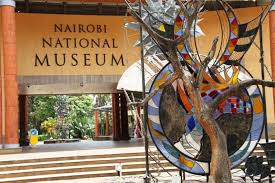
The revised fees, which took effect immediately on 7 May, were introduced under Legal Notice No. 79 of 2025 through the National Museums and Heritage (Admissions Fees) Regulations, 2025. The changes apply to museums, monuments and historical sites managed by the state agency across the country.
For many visitors, the sharpest change is not simply the higher prices, but the decision to charge non-East African visitors exclusively in US dollars at most facilities.
At the Nairobi National Museum, Kenyan and East African adult visitors will now pay Sh350, up from Sh200. Children’s tickets have doubled from Sh100 to Sh200.
Visitors from elsewhere in Africa will now pay $9 for adults and $6 for children. Tourists from outside the continent face even steeper rates, with adult tickets rising to $18 from the previous Sh1,200.
The increases extend across some of Kenya’s best-known cultural landmarks. Entry charges at Snake Park, the Karen Blixen Museum and Fort Jesus Museum have all gone up significantly.
Combined tickets have also risen sharply. A joint pass for the Nairobi National Museum and Snake Park now costs Kenyan adults Sh600, twice the previous rate. Foreign tourists outside Africa will pay $25.
In the coastal town of Lamu, the heritage package covering Lamu Fort, the Lamu Museum, Swahili House and the German Post Office now costs Kenyan adults Sh750, up from Sh375. Foreign visitors will pay $40.
The revised tariffs also affect regional museums and archaeological sites, including Gede Ruins, Koobi Fora and Olorgesailie, where charges for Kenyan adults have largely doubled.
Officials at the National Museums of Kenya have not publicly detailed why the increases were necessary. However, cultural institutions across East Africa have faced rising operational costs in recent years, including conservation work, staffing and maintenance of historical sites.
Tourism remains one of Kenya’s leading sources of foreign income, and heritage tourism has become increasingly important as the country seeks to diversify beyond wildlife safaris and beach holidays.
Still, the higher charges may spark concern among some local families and domestic travellers already grappling with the rising cost of living.
Industry analysts say the move reflects a wider trend among tourism agencies in the region, many of which are trying to balance preservation costs with growing pressure to generate revenue from international tourism.
The new pricing structure came into force immediately on Thursday 07/05/2026.
About the Author