
The administration of U.S. President Donald Trump is reportedly preparing to send American citizens exposed to Ebola to Kenya for quarantine and treatment, rather than repatriating them to the United States, according to reports first published by The New York Times and confirmed by multiple health and government sources.
The reported plan marks a significant departure from previous U.S. policy during Ebola outbreaks, when infected or exposed American health workers and officials were typically flown back to highly specialised medical units in the United States.
According to the reports, the U.S. government is establishing a medical and quarantine facility in Kenya through a joint effort involving the U.S. Departments of State, Defense and Health and Human Services. A small number of American public health officers are also reportedly undergoing training for deployment to the region.
The White House has not publicly commented on the reported arrangements. The Kenyan government has also not responded publicly to the issue.
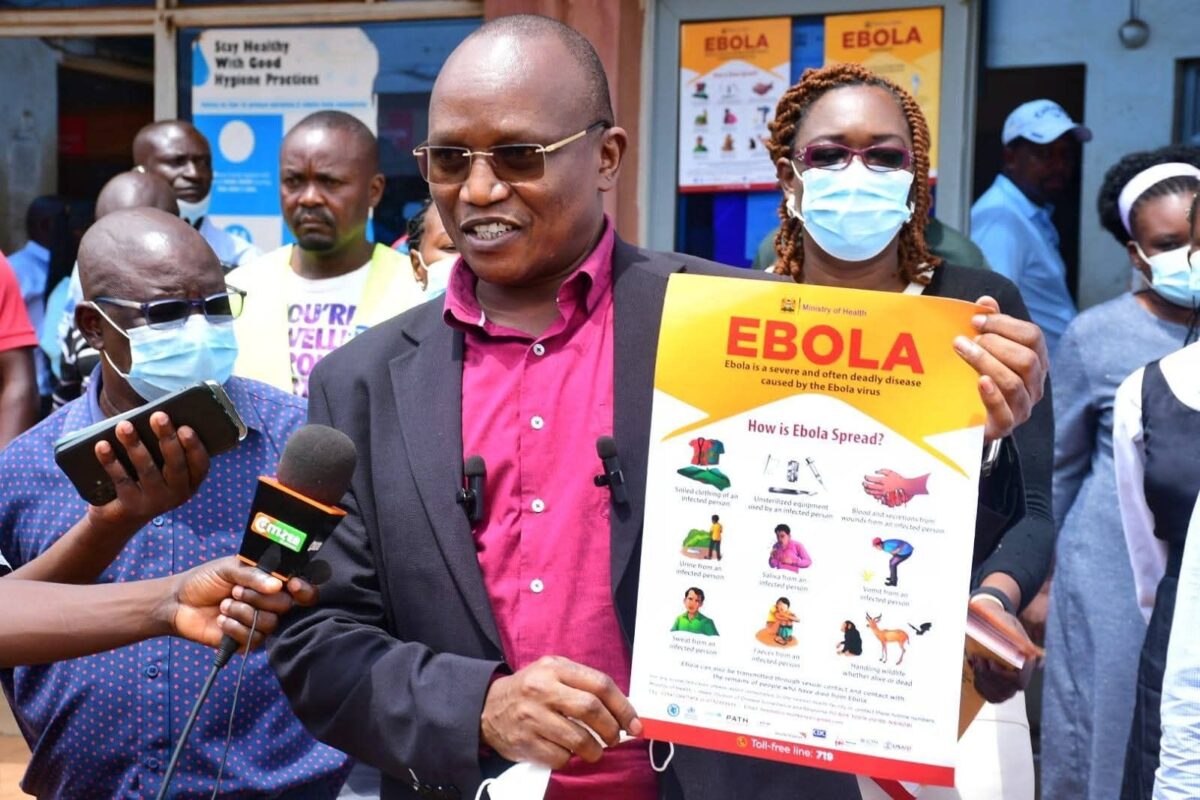
The development comes amid a rapidly escalating Ebola outbreak in the Democratic Republic of the Congo and neighbouring Uganda involving the rare Bundibugyo strain of the virus, for which there is currently no approved vaccine or specific treatment. The World Health Organization declared the outbreak a Public Health Emergency of International Concern on 17 May.
WHO says the outbreak is spreading in a complex environment marked by insecurity, cross-border movement and weak health systems in eastern Congo. The agency warned last week that transmission in parts of Congo was “outpacing” containment efforts.
As of 21 May, WHO reported more than 746 suspected cases and 176 suspected deaths in Congo, alongside confirmed cases in Uganda. The outbreak has affected the provinces of Ituri, North Kivu and South Kivu.
Reuters and WHO reporting published this week suggest the figures may now be significantly higher, with health officials warning of continued rapid spread.
Under previous Ebola emergencies, including the major West African outbreak between 2014 and 2016, Americans infected abroad were usually transported to advanced isolation units in cities such as Omaha and Atlanta, where specialised bio-containment facilities were developed specifically for highly infectious diseases.
Medical experts quoted in U.S. media questioned whether a newly established facility in Kenya could match the capabilities of those centres.
Dr Tom Inglesby, director of the Johns Hopkins Center for Health Security, told The New York Times that Ebola patients generally have better survival chances when treated in specialised units designed specifically for high-risk pathogens.
Another infectious disease specialist, Dr Craig Spencer of Brown University, who survived Ebola after treating patients in Guinea in 2014, reportedly described the decision as a major break from previous American practice.
The United States has already transferred at least one infected American citizen to Germany for treatment during the current outbreak, while others exposed to the virus were moved to Europe for monitoring, according to WHO and Reuters reporting.
At the same time, the U.S. government has tightened border controls linked to the outbreak. American health authorities are expanding Ebola screening measures at ports of entry, while the Trump administration last week invoked public health powers under Title 42 to restrict entry for some travellers who had recently been in Congo, Uganda or South Sudan, according to U.S. media reports.
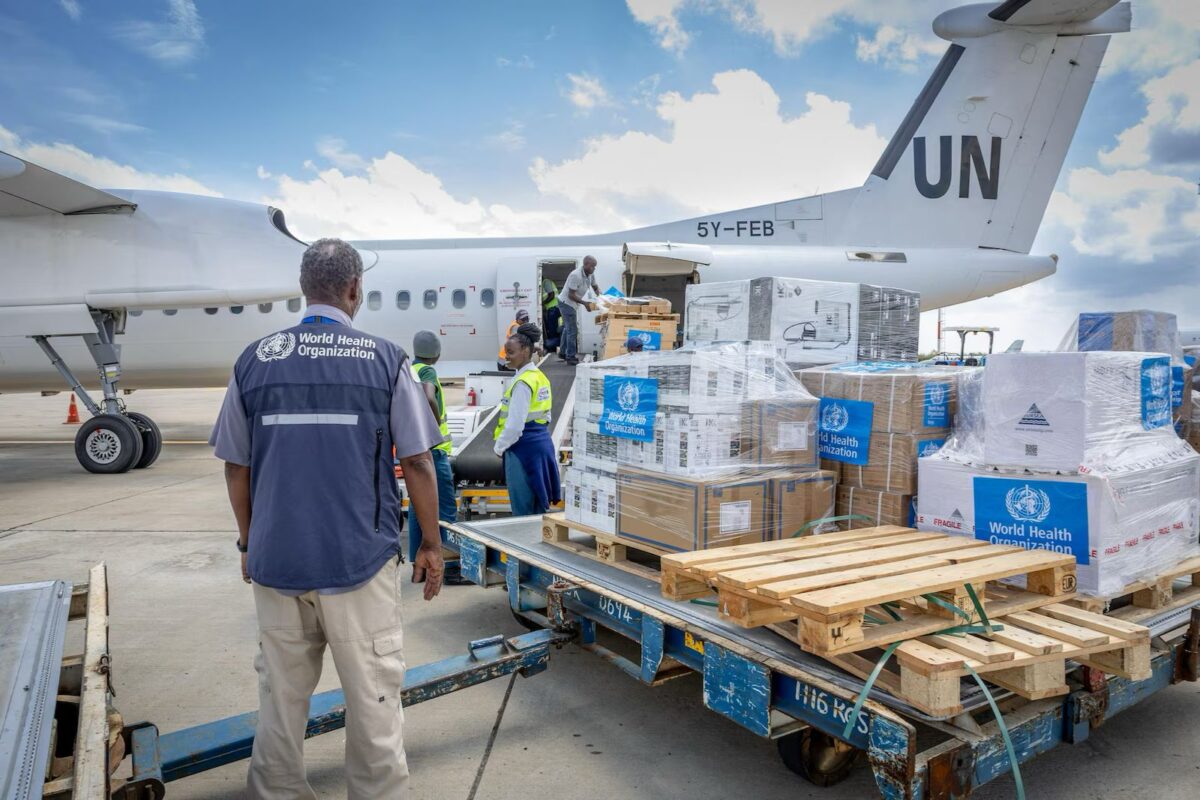
Kenya has historically played a strategic role in regional humanitarian and medical operations because of its relatively advanced healthcare infrastructure and its position as East Africa’s transport hub. Nairobi hosts major United Nations agencies and international aid organisations coordinating regional emergency responses.
However, no official details have been released publicly about where any proposed U.S.-backed Ebola treatment or quarantine facility in Kenya would be located, how it would operate, or whether Kenyan medical authorities would participate directly.
WHO continues to emphasise that Ebola spreads through direct contact with bodily fluids of infected individuals and that early detection, isolation, contact tracing and supportive medical care remain critical to controlling outbreaks
About the Author