
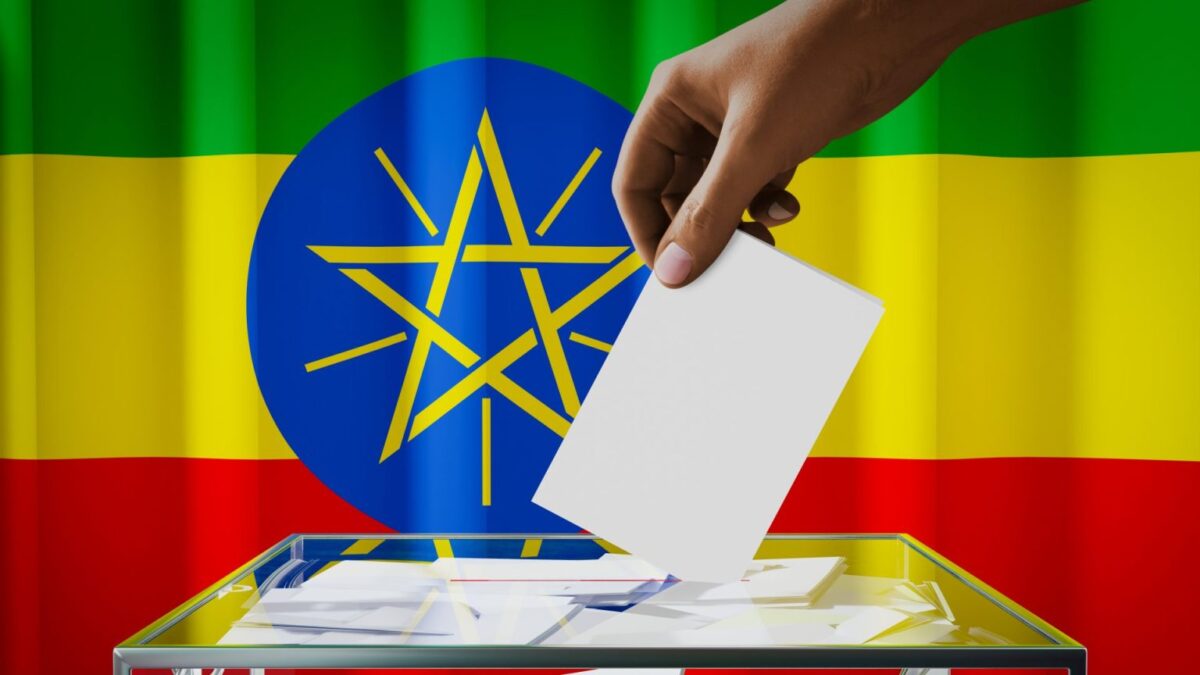
Ethiopians head to the polls on Monday in an election expected to hand Prime Minister Abiy Ahmed and his ruling Prosperity Party another commanding victory. Yet for millions across the country, the vote will take place without them.
In parts of Ethiopia still scarred by conflict, ballot boxes will not arrive. Entire communities remain excluded from the electoral process, deepening questions about representation, national unity and the future of democracy in one of Africa’s most influential nations.
More than 50 million people are registered to vote in the election, which will decide the composition of the federal parliament and regional councils. Abiy’s Prosperity Party is widely expected to retain its grip on power, facing an opposition weakened by internal divisions, security challenges and allegations of political restrictions.
But the biggest story may be who is not voting.
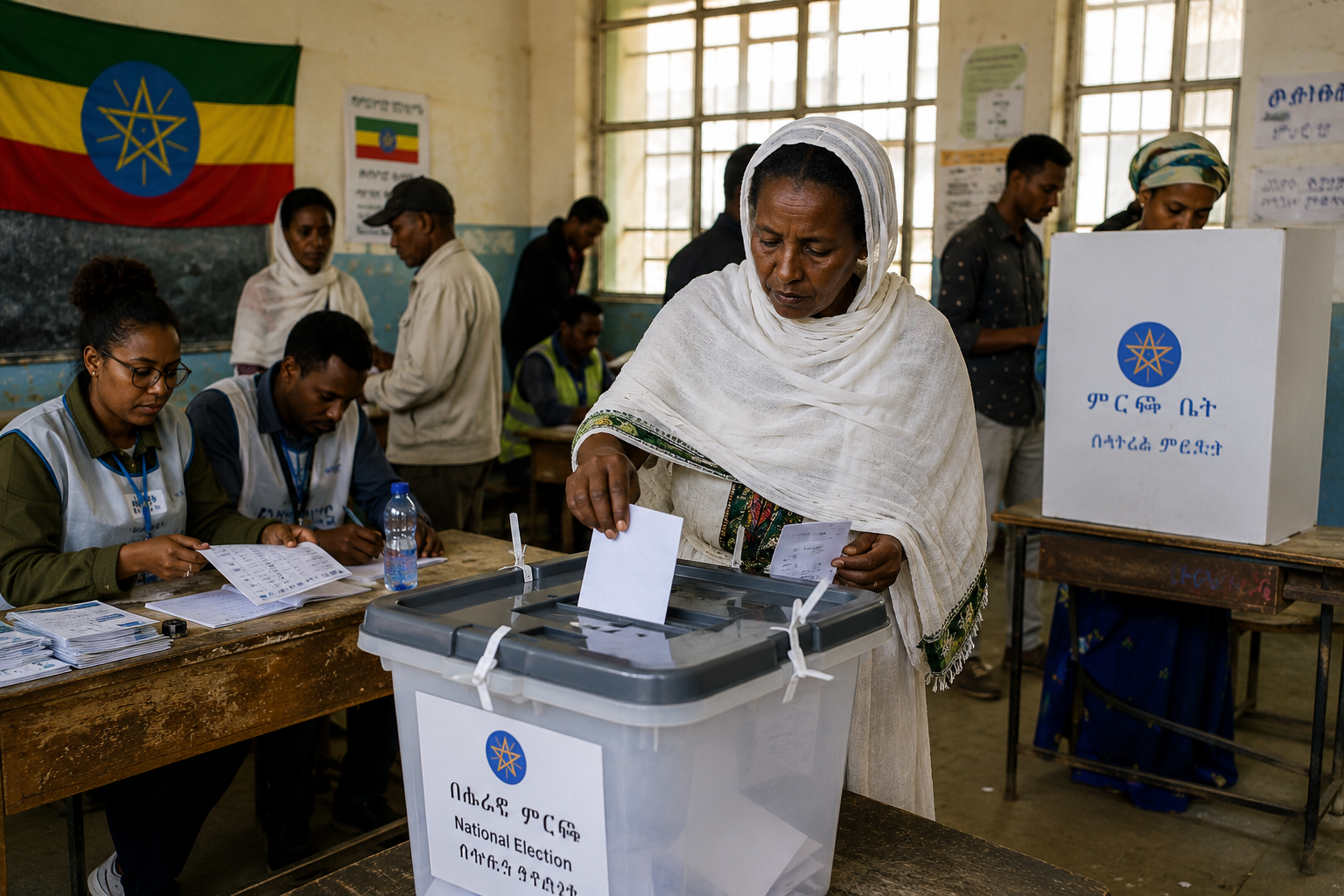
For the second consecutive national election, the northern region of Tigray will not take part. The area remains politically isolated years after a devastating war between federal forces and the Tigray People’s Liberation Front (TPLF), a conflict that left hundreds of thousands dead and displaced many more.
The exclusion means Tigray will once again have no voice in Ethiopia’s 547-seat parliament, despite being home to millions of citizens.
Voting is also expected to be disrupted in parts of Amhara and Oromia, Ethiopia’s two most populous regions, where armed violence and insecurity continue to shape daily life.
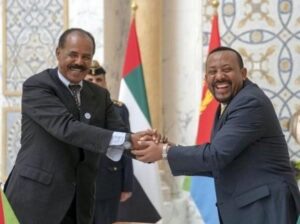
The election arrives at a delicate moment for Abiy, who came to power in 2018 promising political reform and national reconciliation. His early years in office earned international praise, including the Nobel Peace Prize in 2019 for restoring relations with neighbouring Eritrea.
Since then, however, Ethiopia has faced a series of crises. The Tigray war, unrest in Oromia, fighting in Amhara and growing political polarisation have tested both the government and the country’s fragile institutions.
Officials insist the election remains a vital step in strengthening democratic governance.
Former Kenyan President Uhuru Kenyatta, who is leading an African Union observer mission, called for a peaceful process and stressed the importance of stability in a country that hosts the African Union headquarters.
Government supporters point to economic reforms, infrastructure projects and efforts to modernise the electoral system. Some analysts say improvements in election technology and voter awareness could help make the process more credible than previous polls.
Critics remain unconvinced.
Opposition leaders argue that the political environment is uneven and that the ruling party enjoys significant advantages through state structures and resources. Others point to arrests of critics, restrictions on political activity and the ongoing conflicts in several regions as evidence that the election cannot be fully inclusive.
“The system favours the ruling party,” opposition politician Mistresilasie Tamerat said in recent remarks, reflecting concerns shared by several government critics.
Even so, many Ethiopians see the vote as an important test for a country still searching for stability after years of turmoil.
The outcome may be largely predictable. The deeper question is whether an election held without participation from some of the country’s most troubled regions can help heal divisions that remain far from resolved.
About the Author