

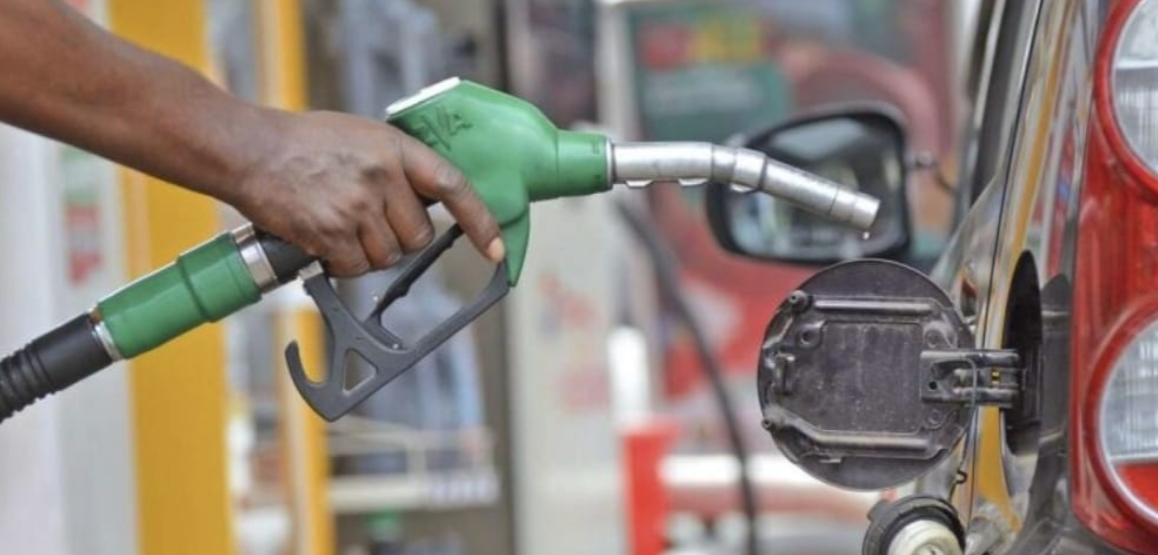
NAIROBI — A modest cut in diesel prices is shifting Kenya’s economic focus beyond the fuel pump, as commuters, traders and businesses wait to see whether lower costs will translate into cheaper fares and goods. While the Energy and Petroleum Regulatory Authority (EPRA) reduced diesel by KSh10.06 per litre, the move falls well short of earlier increases, raising doubts about whether transport charges, food distribution costs and supplier prices will ease in the weeks ahead.
David Precious, Senior Market Analyst at EBC Financial Group, says that a reduction in diesel prices does not automatically translate into lower fares, delivery charges or food transport costs, which had already risen following earlier fuel price increases.
“While the KSh10.06 cut offers some relief, transport operators had been pushing for a significantly larger reduction. The key concern is whether stakeholders across the supply chain have the capacity to lower charges or if the added costs will continue to be borne by commuters, traders and retailers,” he said.

The disparity between what transport operators had requested and the actual price adjustment is likely to shape the next phase of pricing. Operators had called for a KSh46 per litre reduction following the earlier diesel hike, but the revised schedule delivered only a KSh10.06 cut. This gap provides a commercial basis for maintaining current fare levels, route pricing and freight charges, as the reduction offsets only a portion of the increased operating costs.
Fuel pricing in Kenya is influenced not only by global crude oil prices but also by domestic factors, including taxes, levies, margins, landed costs and exchange-rate movements. The Kenya National Chamber of Commerce and Industry (KNCCI) noted that diesel prices in the country rose faster than global crude prices during the April–May pricing cycle, highlighting the impact of local cost build-up in amplifying global oil price shocks before they reach consumers.
“Consumers risk facing prolonged high costs as earlier fare and delivery increases may persist. Transporters, wholesalers and retailers often base their pricing on previously incurred higher costs rather than current pump prices,” notes KNCCI.
KNCCI estimates that recent fuel adjustments could increase transport and logistics costs by 10% to 20%, food and consumer goods prices by 3% to 7%, manufacturing and farm distribution costs by 5% to 12%, and MSME margins by 5% to 15%. This suggests that while the diesel cut is significant, it may not be sufficient to reverse earlier cost pressures if price reductions are not passed on. Reports from Nairobi’s Wakulima Market already indicate elevated farm-to-market transport costs, reflecting how diesel price pressures are transmitted through the supply chain.
Kerosene pricing has also emerged as a key issue. Households relying on kerosene for cooking and lighting are now facing higher daily energy costs following a KSh38.60 increase. Additionally, the Energy and Petroleum Regulatory Authority (EPRA) indicated that the price adjustment was partly aimed at reducing the risk of fuel adulteration caused by large price differences between diesel and kerosene. Such disparities can incentivise illegal mixing, which may damage engines, increase maintenance costs and disrupt transport reliability.
The Petroleum Development Levy (PDL) Fund remains a critical factor in fuel pricing, as it determines the extent to which landed fuel costs are absorbed or passed on to consumers. In the May pricing cycle, approximately KSh5 billion from the fund was used to stabilise diesel and kerosene prices. However, sustained high landed costs could present a trade-off in future reviews between raising pump prices, increasing stabilisation support, or delaying payments to oil marketers.
Fuel availability continues to be a concern, as consistent supply is essential for economic stability. Previous shortages among independent fuel outlets disrupted delivery schedules even before new pricing adjustments were announced. In March, about 20% of the country’s 3,100 independent fuel stations were affected by shortages, with hoarding ahead of anticipated price increases cited as a contributing factor. Such disruptions can delay transportation, affect stock movement and increase the cost of maintaining fuel reserves.
Kenya’s reliance on imported refined petroleum products also plays a role in local pricing. The country procures fuel through government-to-government arrangements with Gulf suppliers, often on 180-day credit terms. Despite this, domestic prices remain sensitive to landed costs, contractual margins, shipping conditions and fluctuations in the US dollar against the Kenyan shilling, maintaining exposure to foreign exchange pressures.
Precious noted that while the stabilization fund can cushion short-term shocks, it cannot eliminate underlying cost pressures. If global oil prices, shipping costs or exchange rates remain elevated, the impact is likely to resurface in subsequent pricing cycles.
“The burden of these costs will ultimately fall on one or more stakeholders, including the government, oil marketers, transporters, businesses or consumers,” said Precious.
“The key indicator in the coming weeks will be whether transport fares, freight charges, wholesale food transport costs, generator expenses, retail replenishment costs and fuel availability improve following the diesel price adjustment. Until such reductions are reflected in actual expenses and household budgets, the diesel cut is likely to remain a pricing adjustment rather than a source of meaningful economic relief,” he added.
About the Author