A lecturer at Moi University has ignited a nationwide conversation after sharply criticizing Generation Z in a provocative opinion piece published in The Standard on April 2, 2026.
Chang’orok Joel described Gen Z, those born between 1997 and 2012, as a “pampered” generation struggling with ambition and responsibility.
His article, titled “WiFi, mzinga and zero ambition: The ugly side of ‘pampered’ Gen Z,” paints a vivid and controversial picture of young Kenyans navigating modern life.
“Well-Fed but Undercooked by Life”
In his critique, Joel characterizes Gen Z as materially comfortable but emotionally and mentally unprepared for life’s challenges.
He argues that overindulgent parenting has created a generation that avoids hardship and equates effort with suffering.
According to the lecturer, many young people today are quick to reject traditional expectations of hard work, often relying on parental support well into adulthood.
He uses anecdotes of grown adults living at home, dependent on their parents, to illustrate what he sees as a troubling cultural shift.
Dependency, Digital Culture and Shifting Values
Joel links this perceived lack of ambition to a lifestyle centered around convenience and instant gratification.
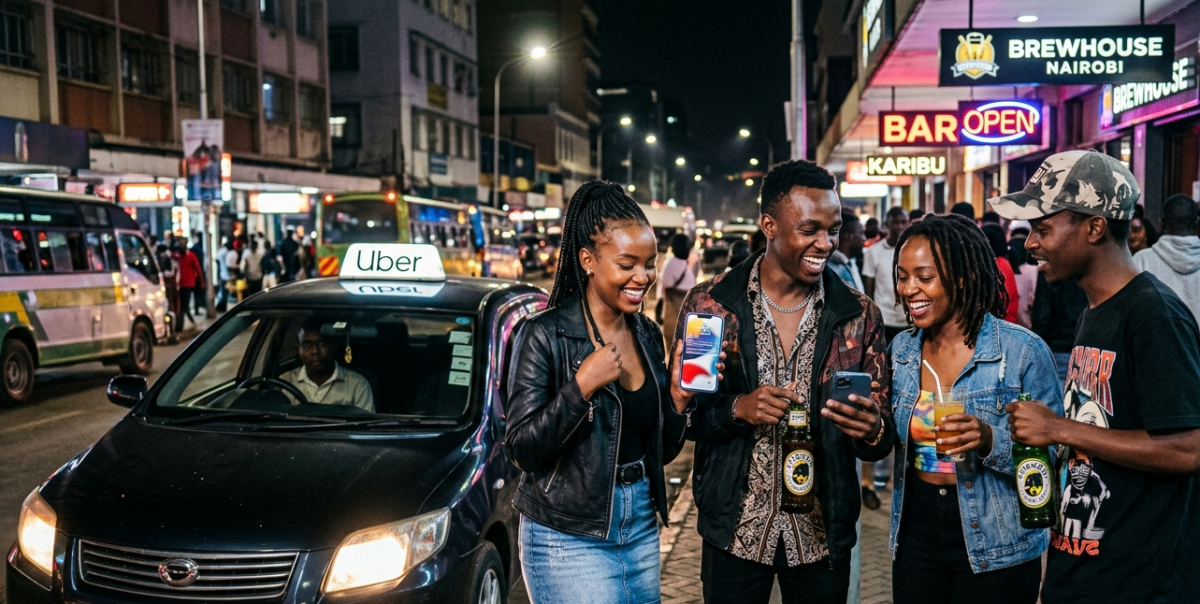
He points to the prevalence of WiFi dependency, betting, alcohol consumption, locally referred to as “mzinga”, and casual relationships as indicators of misplaced priorities.
He further argues that respect for authority and traditional family structures has eroded, replaced by a more confrontational and dismissive attitude among youth.
In his view, even basic responsibilities such as financial independence and personal accountability are increasingly delayed or avoided.
The lecturer’s article also touches on broader societal concerns, including strained family dynamics and the burden placed on older generations. He claims that many parents continue to finance their adult children’s lifestyles, inadvertently enabling dependency.
Joel suggests that the consequences are visible in both urban and rural settings, where grandparents are sometimes left to raise children as younger parents pursue city life.
Criticism Raises Broader Questions
While the article has resonated with some Kenyans who share similar concerns, it has also drawn criticism for generalizing an entire generation.
Critics argue that Gen Z faces unique economic pressures, including unemployment, rising living costs, and a rapidly changing job market.
The debate highlights a deeper generational divide, with questions emerging about parenting styles, societal expectations, and the impact of technology on behavior and ambition.
Joel concludes by suggesting that the issue may not solely lie with Gen Z but with how they were raised.
He points to a culture of overprovision without discipline, arguing that modern parenting may have prioritized comfort over character development.
As the conversation continues, his remarks have sparked reflection across Kenya’s digital space.
About the Author