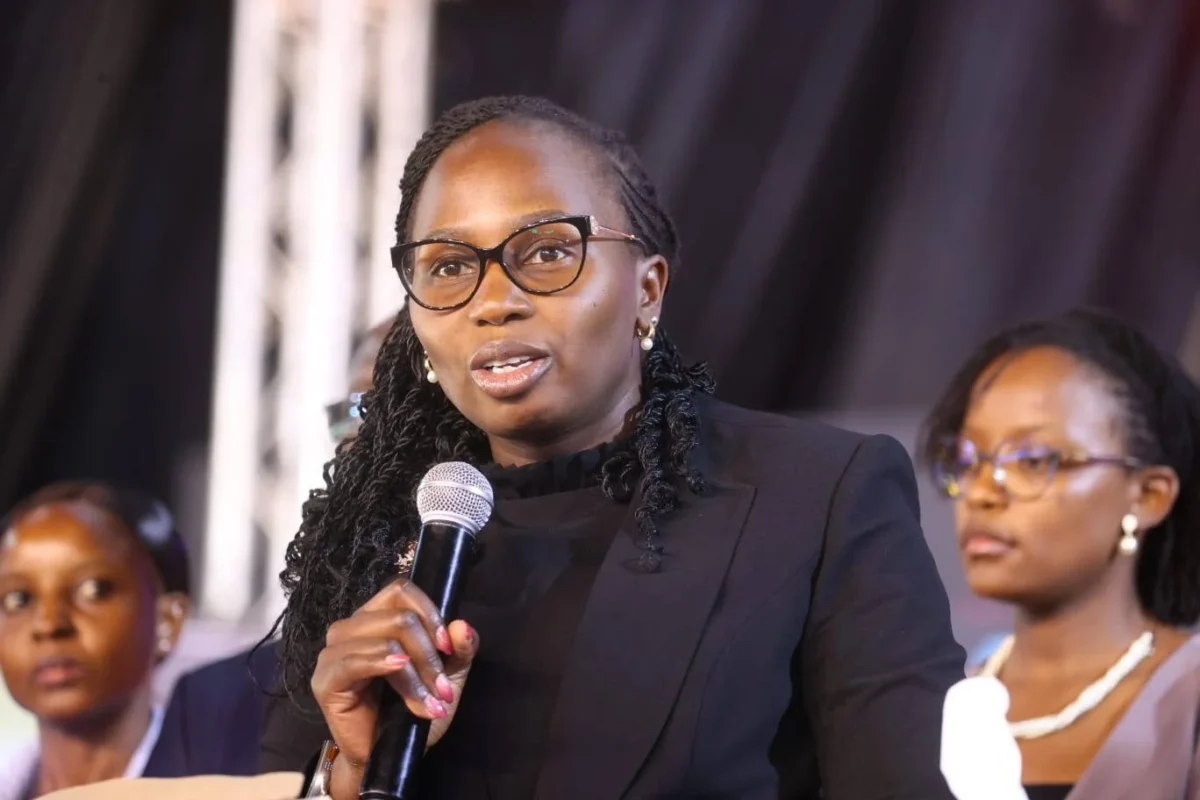
Public debate over a proposed Ebola-related facility in Laikipia has taken a sharper turn, with former Law Society of Kenya president Faith Odhiambo demanding answers from the government.
“Kenyans are entitled to clear, honest answers,” Ms Odhiambo said in a statement on Thursday. “Who authorised these arrangements, on what legal basis and with what safeguards for public health and sovereignty?”
Her remarks come amid growing concern over how the project was conceived and whether due process was followed. At the centre of the dispute is a question that has unsettled both legal observers and the public: was the plan anchored in law, or rushed through without sufficient oversight?
Ms Odhiambo argued that recent remarks by Health Cabinet Secretary Aden Duale, made during an appearance before Parliament, had not provided enough clarity. She said the Constitution demands transparency, adherence to court orders and meaningful public participation in decisions of such magnitude.
A High Court has already issued conservatory orders halting the project, a move she said must be respected without exception. “Constitutional obedience is not optional,” she said. “It is not subject to administrative convenience.”
She warned that failure to address the concerns could erode public trust in both the Ministry of Health and Parliament’s oversight role. The right to health, she added, must be balanced with constitutional safeguards designed to prevent arbitrary action by the state.
“You cannot promote public health by eroding the very legal framework that protects Kenyans,” she said.
The government, for its part, has defended its broader preparedness strategy against a possible Ebola outbreak. Speaking in Parliament on Wednesday, Mr Duale said Kenya had received 1,000 Ebola personal protective equipment kits from the World Health Organization.
The kits, he said, are already in the country and are being positioned at key facilities to support emergency response efforts. These include major referral hospitals such as Kenyatta National Hospital, Kenyatta University Teaching, Referral and Research Hospital, and Moi Teaching and Referral Hospital in Eldoret, as well as high-risk entry points.
The measures form part of a wider effort to strengthen surveillance and screening at airports and border crossings, particularly as neighbouring regions continue to face outbreaks of infectious diseases.
Public reaction has been mixed. While some health experts have welcomed early preparedness, others say transparency will be critical in maintaining confidence, especially when dealing with a disease as serious as Ebola.
Questions raised by Ms Odhiambo remain at the heart of the matter, questions about legality, accountability and trust. As the debate continues, the government faces the task of reassuring a public that is both cautious and attentive.
About the Author