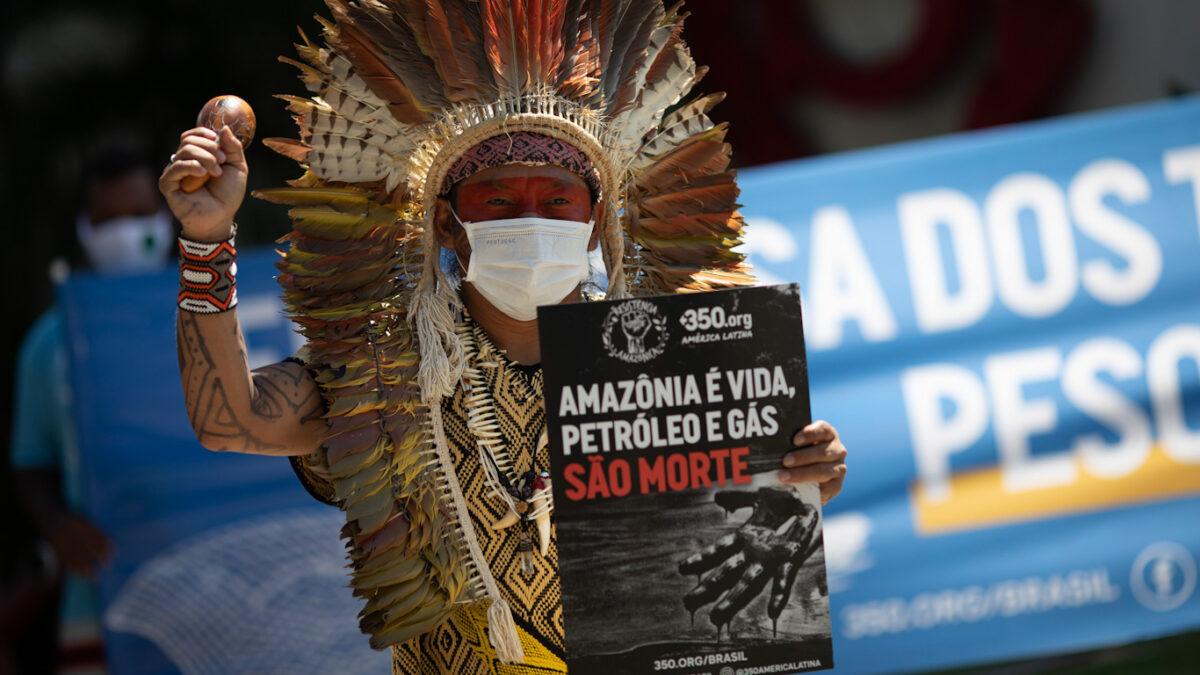
BELÉM, Brazil — Late on Tuesday night, dozens of Indigenous protesters broke through security lines at the COP30 climate talks in Belém, Brazil, raising the stakes at a summit already charged with tension.
They charged the main entrance of the conference centre, some waving banners reading “Our land is not for sale” and chanting for recognition and rights. Video footage showed security guards scrambling to contain the intrusion.
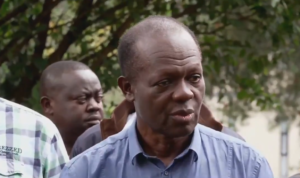
Among the protesters was an Indigenous leader from the Tupinambá community, who gave only a single name, Gilmar. “We can’t eat money. We want our lands free from agribusiness, oil exploration, illegal miners and illegal loggers,” he told Reuters.
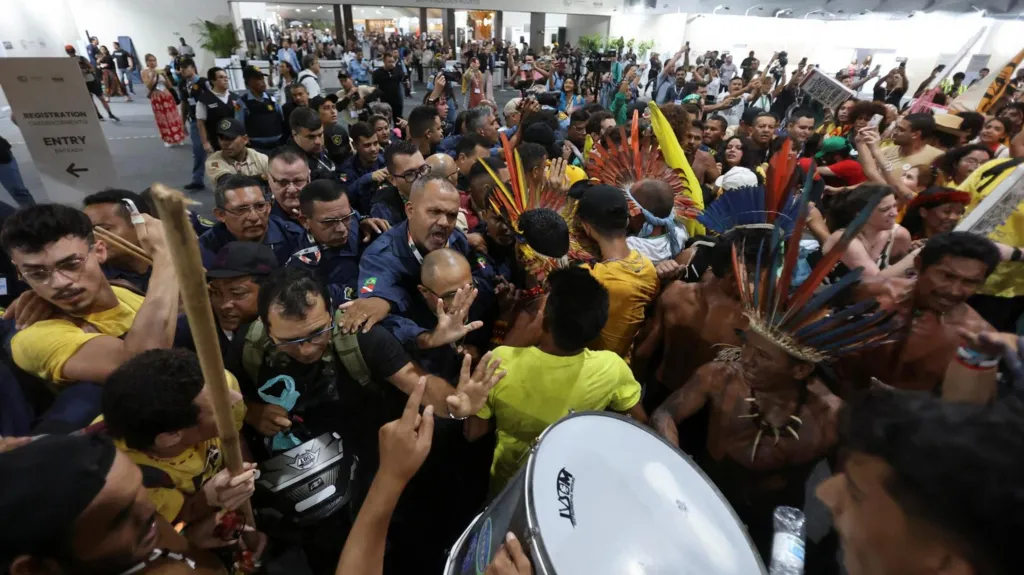
In the ensuing skirmish, two security staff were reported to have sustained minor injuries. One guard was seen being wheeled away clutching his stomach. Another said he had been struck on the head by a drumstick thrown from the crowd. The venue, as the UN confirmed, suffered limited damage and negotiations resumed inside.
The clash took place at a summit meant to bring together nearly 200 nations in the heart of the Amazon. It is the first time the COP has been held in Brazil, and the location has drawn scrutiny, given the country’s record of issuing new fossil fuel licences and the complexity of balancing forest conservation with development pressures.
Brazilian organisers had framed COP30 as “the Indigenous peoples’ COP”, promising to centre native voices in the discussions. But for many of the delegates arriving in Belém and the communities living in the surrounding rainforest, the rhetoric has not matched the urgency. For the protesters, the breach was both symbolic and practical: a demonstration of rising frustration over what they see as exclusion and ongoing encroachment on their lands.
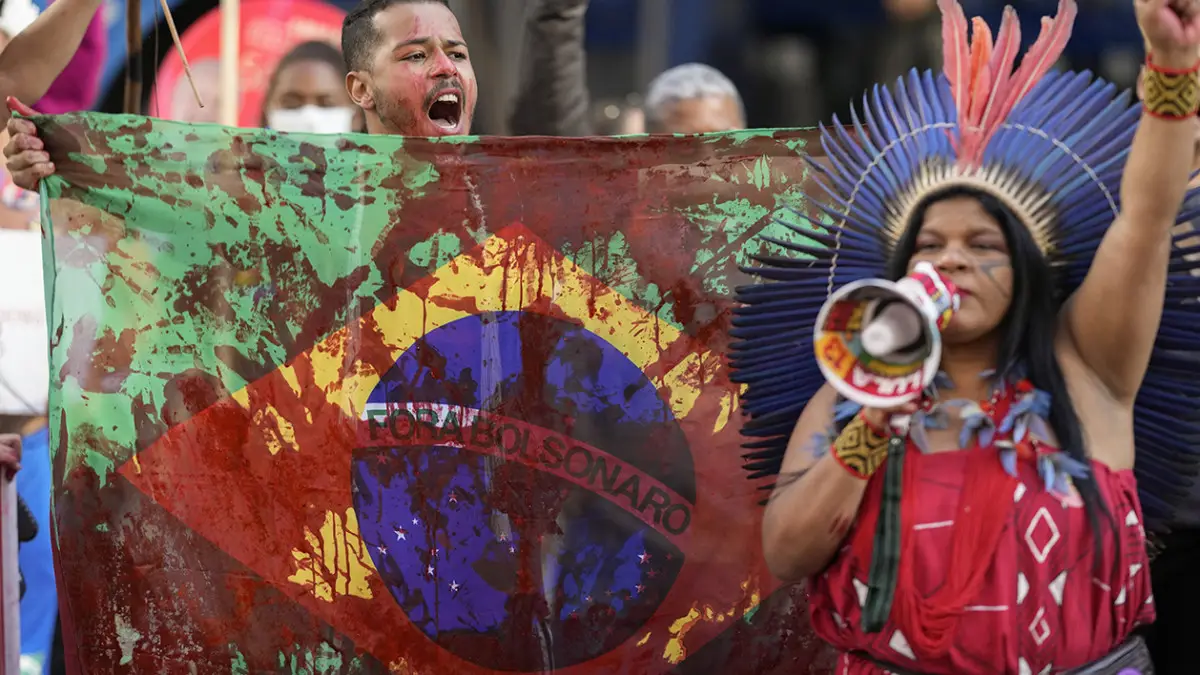
Several observers described the moment as a turning point. “At last, something has happened here,” said one climate negotiator as the unrest unfolded.
On the official side, a UN spokesperson said: “Earlier this evening, a group of protesters breached security barriers at the main entrance to the COP, causing minor injuries to two security staff, and minor damage to the venue.” Brazilian and UN security forces reacted, the spokesperson added, and “the venue is fully secured, and COP negotiations continue.”
While the summit is focused on wide-ranging issues such as emissions cuts and forest protection, this episode highlights a more immediate concern: the demands of Indigenous and local communities who believe they should not just be counted among the stakeholders but be at the heart of the decision-making. These groups say they face the consequences of climate change first and most directly, yet remain peripheral when it comes to funding, access and real influence.
As one Indigenous organiser put it: the fight here is not just climate policy, it is about survival. And for a venue built in the shadow of the rainforest, the message is loud and clear: if the Amazon isn’t protected, no amount of international pledges will be enough.
About the Author