Bondo, Siaya County, October 2025 — On Sunday, October 19, 2025, Kenya witnesses the burial of one of its most iconic political figures, Raila Amolo Odinga. His interment beside his father’s resting place marks both a personal reunion and a symbolic closing of a chapter in Kenya’s democracy.
A Burial Somewhere, Yet Everywhere
Raila Odinga passed away on October 15 in Kochi (Kerala), India, where he had gone seeking medical treatment. The body was repatriated amid scenes of mass grief: thousands of mourners stormed the airport, overwhelmed security, and forced abrupt changes to the funeral programme.
His body lay in state in Nairobi, and the state funeral took place at Nyayo National Stadium on October 17.
Yet the final burial will be in his rural home in Bondo, Siaya County, on land that is intimately bound up with his family’s history—and Kenya’s political memory itself.
Kang’o ka Jaramogi: A Homestead and Mausoleum
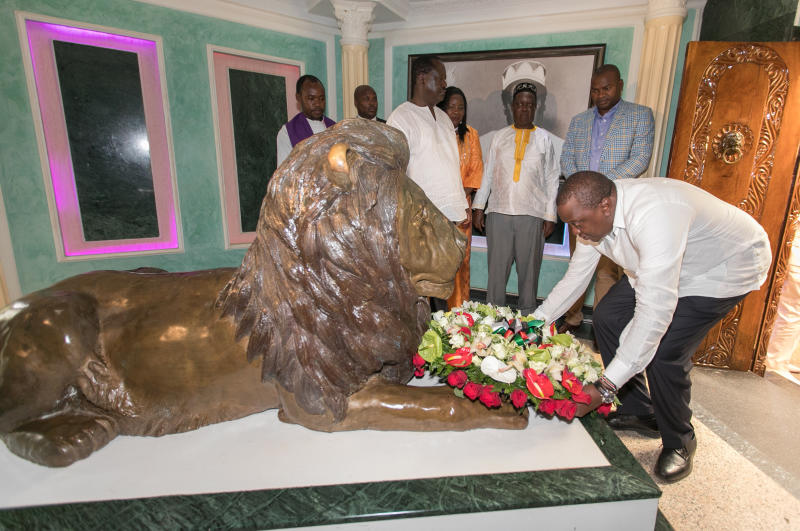
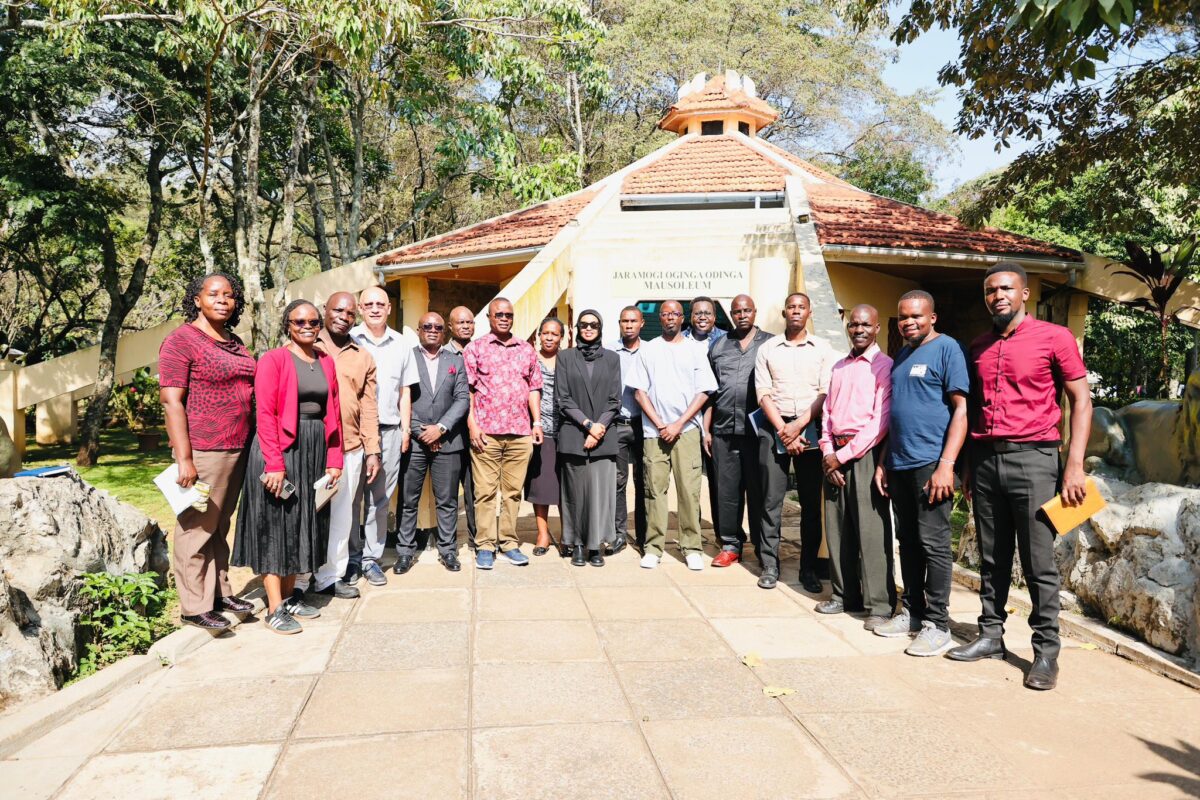
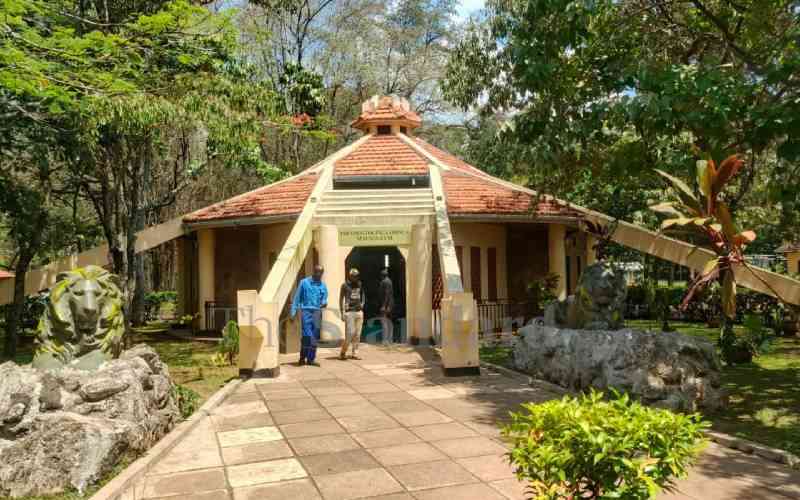
The Odinga family’s ancestral homestead, often referred to as Kang’o ka Jaramogi, lies in Bondo. It is here that the Jaramogi Oginga Odinga Mausoleum, built in honour of Raila’s father, stands as both a cultural and political shrine.
The mausoleum was opened in January 1995 by then-Nigerian President Olusegun Obasanjo. It houses memorabilia and artifacts of Jaramogi’s political life, portraits of pan-African and Kenyan leaders, and Luo cultural objects such as shields, spears, and shields.
It also functions as a modest museum that links Kenya’s independence history to current political currents.
For Raila, being buried adjacent to his father is more than a familial closeness; it is a linking of his own legacy to that of Jaramogi’s — a continuity of struggle, ideals, and symbolic weight.
Private Ceremony, Public Stake
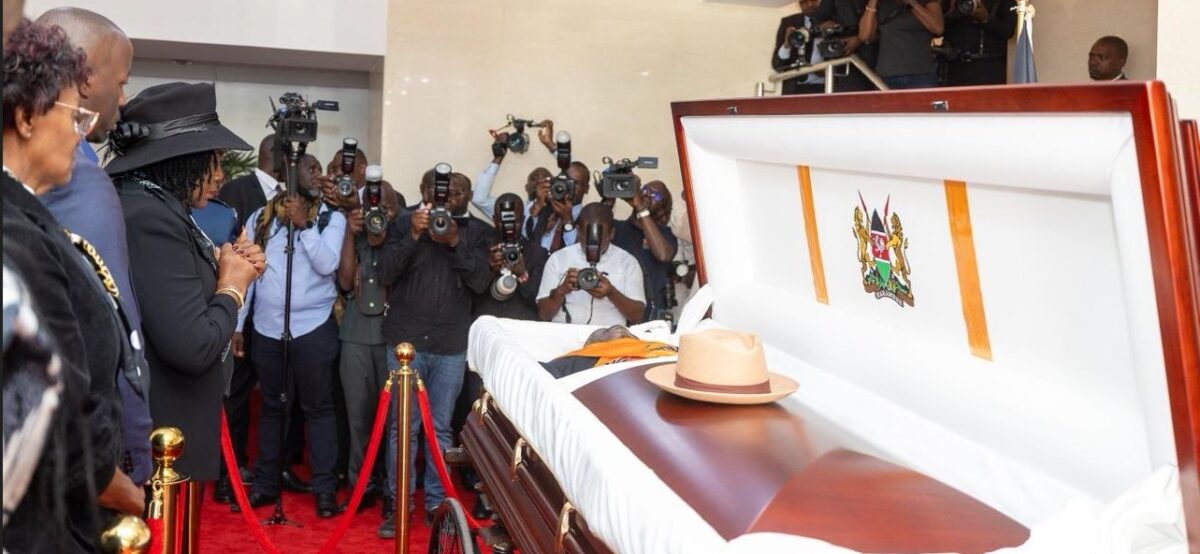
While the national mourning and public ceremonies — the lying in state in Nairobi, the flood of mourners, the state funeral — are widely reported and attended, the actual burial ceremony is being kept private. According to Senator Oburu Oginga (Raila’s elder brother), only a few close family members and select dignitaries will attend.
Oburu also clarified that Raila’s wish was to be buried next to his late father, and despite mention in his Will of being buried within 72 hours, the family consented to a weekend timeline in harmony with both custom and state protocol.
There is public pushback, however. A petition was filed in court seeking to suspend the 72-hour burial timeline, on grounds that it violates Luo customary practices (such as tero yuak, a traditional public mourning procession) and limits communal participation in the funeral rites. The High Court declined to halt the funeral preparations.
The Symbolism of Place
Why does it matter where Raila Odinga is buried?
- Historical continuity: His resting place beside Jaramogi’s cements the intergenerational narrative of the Odingas as political patriarchs of Kenya’s opposition and reform movements.
- Cultural anchoring: Luo customs place weight on ancestral land and burial sites; fencing Raila’s grave within Kang’o ka Jaramogi ties him to community memory and ritual terrain.
- Political messaging: By choosing such a high-profile and symbolic burial location, the family reinforces the narrative of political struggle and the idea that Raila’s cause transcended his life.
- Public pilgrimage: The mausoleum is a tourist and pilgrimage site for supporters and historians. His burial there will likely further elevate Kang’o ka Jaramogi as a locus for national memory.
Challenges and Tensions in Burial
The funeral and burial arrangements do not exist in a vacuum; they surface several tensions in Kenya’s civic life:
- Customs vs. State Protocol: Some Luo elders and cultural activists argue that state-imposed timetables risk overshadowing or truncating ancestral rites.
- Access and inclusion: The decision for a private burial, while understandable from a family security perspective, leaves many Kenyans feeling excluded from the final moment of farewell to a figure they viewed as belonging, in some measure, to the nation.
- Security and crowd control: Already the depth of public emotion has pushed authorities to shift venues and tighten security (gunfire erupted during public viewings in Nairobi).
- Legacy framing: The resting place becomes a site of memory that future generations will visit, interpret, and contest; the choices around location, ceremony, and narrative may shape how Raila Odinga’s life is remembered in Kenyan history.
A Final Gesture, A Continuing Narrative
When Raila’s coffin is lowered into the soil beside Jaramogi Odinga’s tomb, it will be a physical joining of two lives deeply invested in Kenya’s struggle for political dignity, constitutional governance, and multi-party democracy. For many Kenyans, it is a moment of closure; for others, a signal that the ideals he championed remain unsettled questions.
In years to come, Kang’o ka Jaramogi may become more than a family mausoleum—it may stand as a national landmark of political memory, a pilgrimage site for supporters and scholars alike. As Kenya pens the next chapter, the place of his burial may loom as large as the life he lived.
About the Author