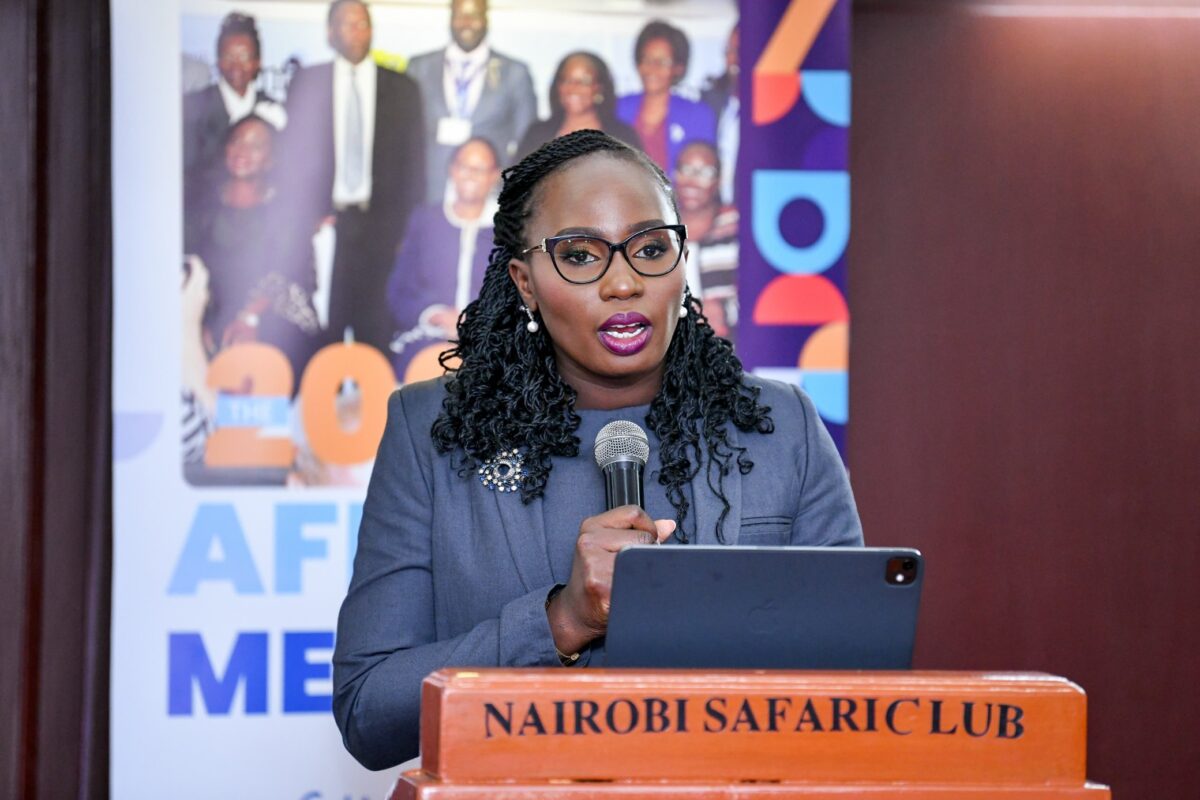
After weeks of public scrutiny and internal dissent, Law Society of Kenya (LSK) President Faith Odhiambo has stepped down as vice chair of the government’s panel on compensation for protest victims, citing the need to preserve the independence of the legal fraternity.
In a statement shared on Monday, Ms Odhiambo said she had tendered her “formal and immediate resignation” to the Head of Public Service, noting that the panel’s work had been paralysed by a court order and mounting constitutional concerns.
“As things stand, the time-bound mandate of the panel has been stopped by our courts,” she said. “The proposed tenure is likely to lapse before the matter is resolved. Victims continue to reach out to me in total frustration.”
A Short-Lived Appointment
The panel was created on August 25 through a Kenya Gazette notice to recommend compensation for victims of police brutality during last year’s and this year’s youth-led anti-government protests, which left more than 120 people dead and hundreds injured.
Ms Odhiambo had accepted the role, she said, because it offered a chance to reform Kenya’s fragile system of victim reparations — long criticised for failing those harmed by police violence.
But the court’s decision to suspend the panel’s operations made it impossible, she said, to fulfil its 120-day mandate.
Focus Shifts Back to LSK
In her resignation, Ms Odhiambo said she would now redirect her focus to supporting victims through the LSK, which is representing several families in ongoing court cases related to police excesses.
“Our team of advocates is already in court in Kisumu for one of the cases involving victims of police excesses,” she said. “We will seek the Judiciary’s intervention to expedite these matters to a conclusion.”
The LSK president added that the organisation would now prioritise memorialising victims, identifying unreported cases, and pushing Parliament to strengthen protections for demonstrators and victims of police abuse.
“We must treat reparations for victims with the same seriousness with which we treat repercussions for perpetrators,” she said. “May justice remain our shield and defender.”
Political Backlash
Ms Odhiambo’s appointment had been contentious from the start. Many in civil society accused her of legitimising a government initiative they saw as an attempt to blunt criticism over its handling of protests.
Until her appointment, she had been one of the most prominent advocates for the release of abducted youths and a vocal critic of police impunity.
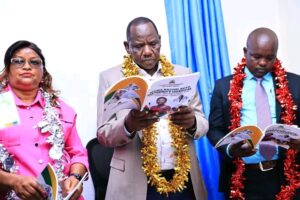
“I have in no way betrayed your trust,” she said during her swearing-in on September 4, defending her decision to serve. “Access to criminal justice remains critical to me in our quest to promote and protect the rule of law.”
A Divided Moment for Justice
Her resignation, however, reflects a wider tension between reform and resistance — a familiar struggle in Kenya’s justice system. With the panel’s work stalled and victims still waiting for redress, the responsibility now falls back on the courts, and on the LSK she leads, to keep the promise of justice alive.
About the Author