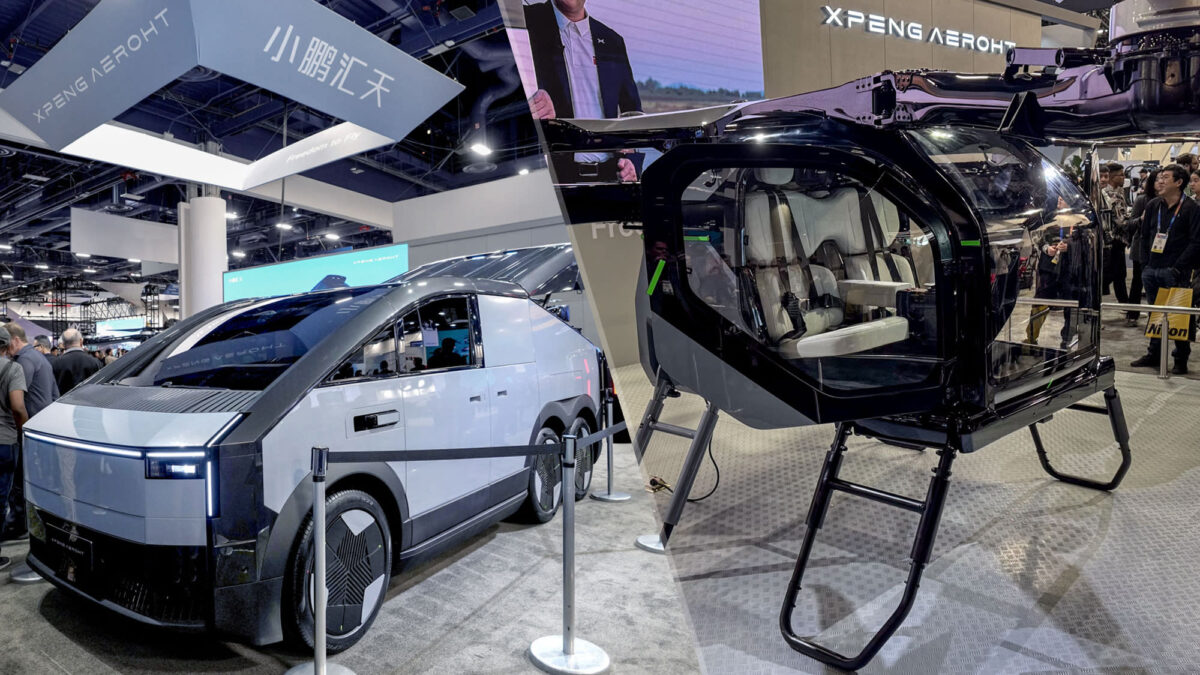
The dream of flying cars has lingered for decades — and now, it’s edging closer to reality. At this year’s Consumer Electronics Show (CES) 2025 in Las Vegas, Chinese electric vehicle maker Xpeng unveiled its latest innovation: the AeroHT Land Aircraft Carrier, a vehicle that can drive on roads and take to the skies.
Far from a sci-fi fantasy, this hybrid creation is designed to merge everyday driving with short-range air travel. Xpeng plans to roll it out in 2026, marking one of the boldest steps yet in personal transportation.
What Exactly Is the Xpeng Land Aircraft Carrier?
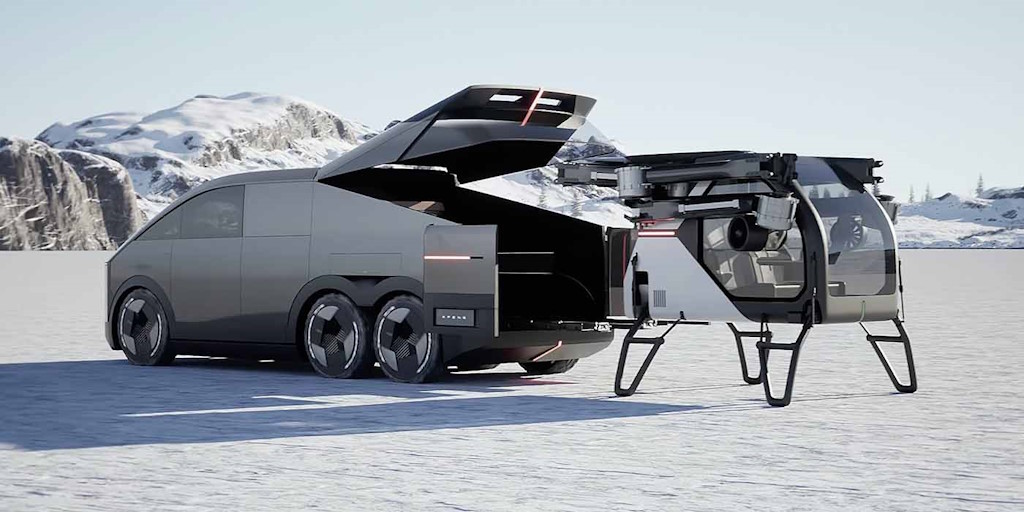
The Land Aircraft Carrier is a dual-module vehicle made up of two key parts: a ground module and a flying module.
1. The Ground Module (“Mothership”)
Nicknamed the Mothership, this base unit is a large, extended-range electric vehicle (EREV) designed for both power and sustainability.
- Dimensions: Around 5.5 metres long and 2 metres wide.
- Power System: It combines electric motors with a small internal combustion engine that works as a generator.
- Range: Up to 1,000 kilometres (621 miles) on a full charge and tank.
- Charging: The Mothership uses an 800V high-voltage system, allowing rapid recharging of the flying module — from 30% to 80% in just 18 minutes.
The Mothership also serves as a mobile charging and storage platform for the flying unit. When not airborne, the aircraft docks neatly on top, resembling a futuristic caravan with wings folded in.
2. The Flying Module
Hidden within the Mothership’s structure lies a compact, electric-powered aircraft capable of vertical takeoff and landing (VTOL).
- Flight Range: Each charge allows five to six short flights — ideal for city commutes or emergency use.
- Operation: Pilots can fly manually or switch to an autonomous mode for self-navigation.
- Safety Systems: Equipped with radar, multiple sensors, and stabilisation technology to ensure smooth take-offs and landings.
During its demonstration at the Zhuhai Airshow in late 2024, the module completed a successful unmanned flight, reinforcing Xpeng’s commitment to autonomous aviation
Xpeng has set 2026 as its target for mass production, with plans to build 10,000 units annually. The starting price will be around 2 million yuan, equivalent to $280,000 (or £220,000).
More than 2,000 pre-orders have already been placed, mostly in China, according to company data.
Why Does It Matter?
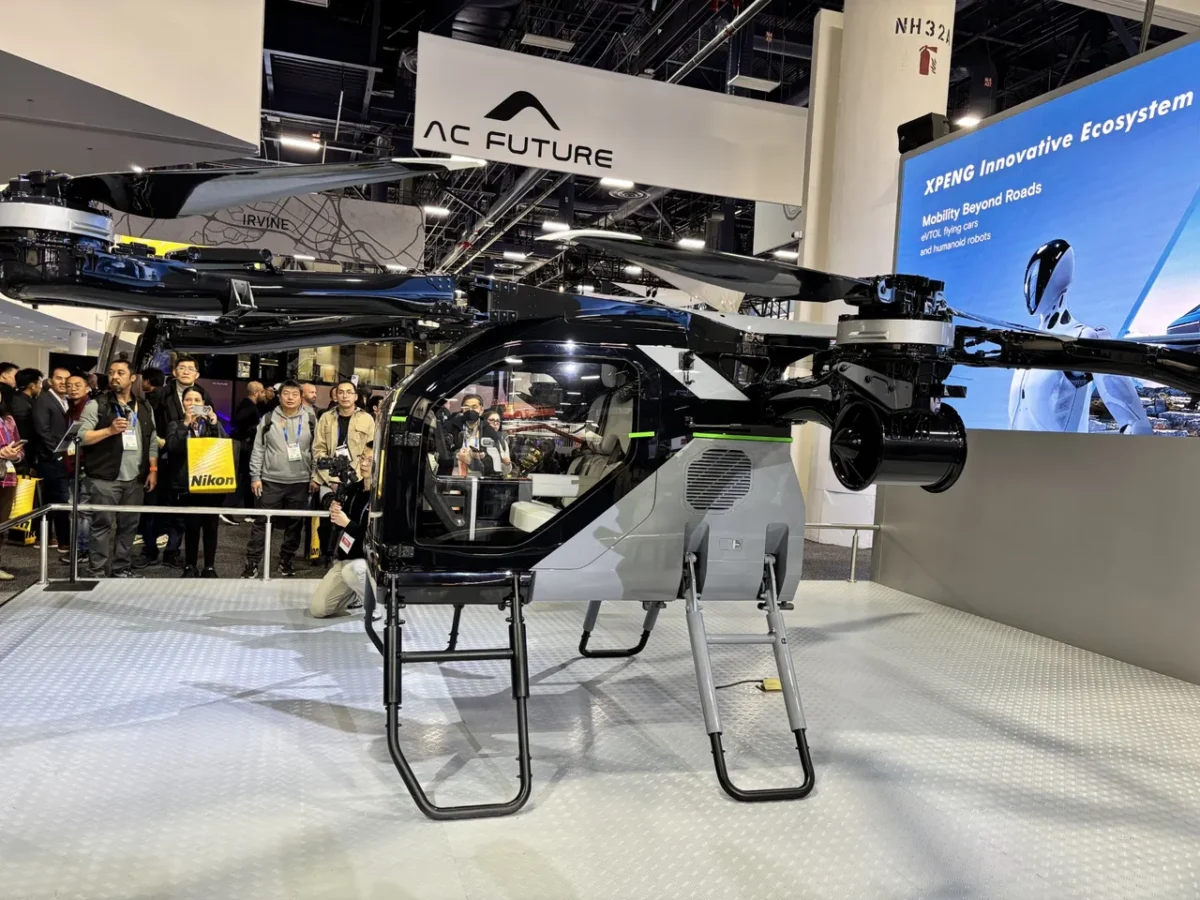
The Xpeng AeroHT project sits at the crossroads of the electric vehicle and aviation industries. It signals how mobility is evolving — not just in how cars move, but in how people think about space and distance.
Experts say flying vehicles could one day ease traffic congestion, cut travel time, and even assist in emergency or rescue missions. However, several obstacles remain:
- Regulations: Airspace management for low-altitude flights is still under development in most countries.
- Infrastructure: Cities will need special take-off zones, charging facilities, and pilot training frameworks.
- Cost: For now, flying cars will remain luxury products until production becomes cheaper
Xpeng is one of several Chinese firms racing to make flying cars a reality. Competitors like EHang and AutoFlight are also testing manned and autonomous aerial vehicles.
China’s government has shown openness to such innovation, with several regions granting special permits for low-altitude test flights. This supportive regulatory climate gives Xpeng a strategic advantage over Western rivals still navigating tighter restrictions
The company says it’s focusing on refining safety, certification, and mass production. In the long term, Xpeng envisions its AeroHT division supporting urban air mobility — networks of small flying vehicles operating between short-range hubs in and around major cities.
While full adoption may take years, CES 2025 offered a clear message: flying cars are no longer just concept art. They’re prototypes preparing for takeoff.
As Xpeng CEO He Xiaopeng put it during the Las Vegas launch, “Every great leap in transportation begins with a small flight. We believe this is that moment.”
About the Author