
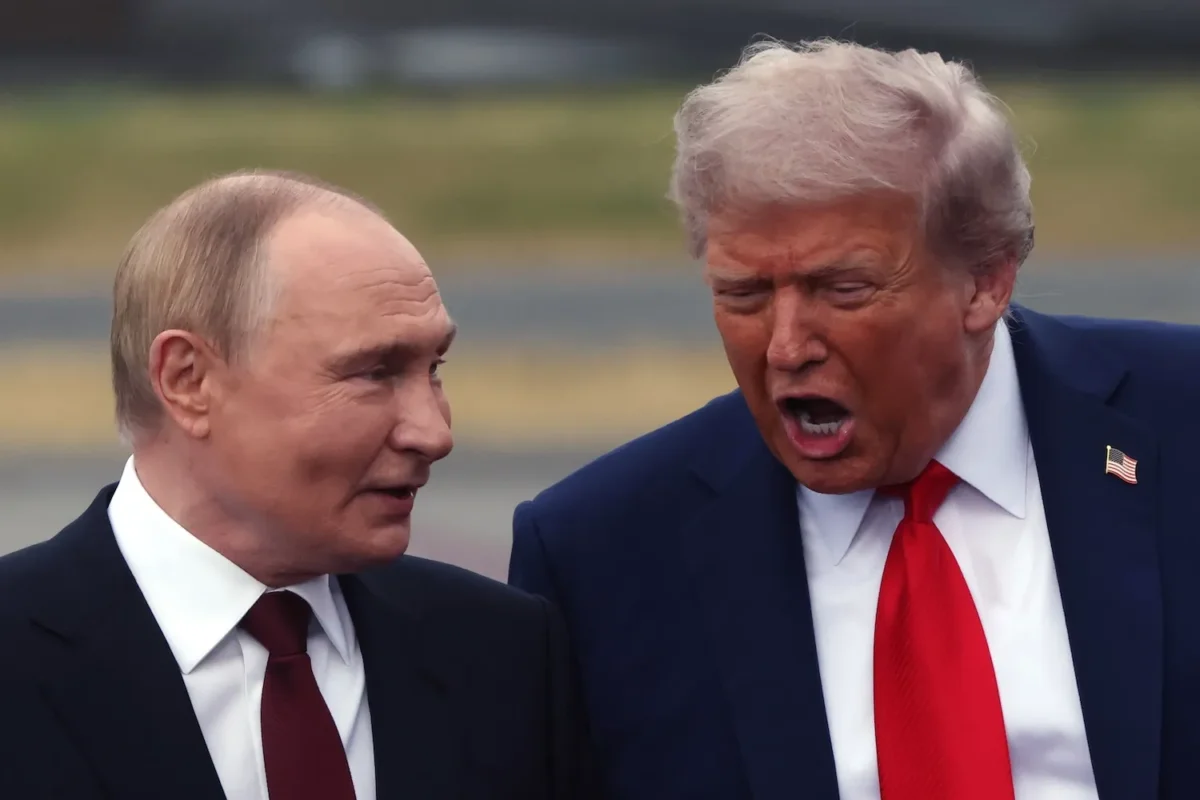
US President Donald Trump’s plan to bring Russian diesel into the American market has opened a new dispute over how far Washington should go to lower fuel prices while Russia’s war against Ukraine continues.
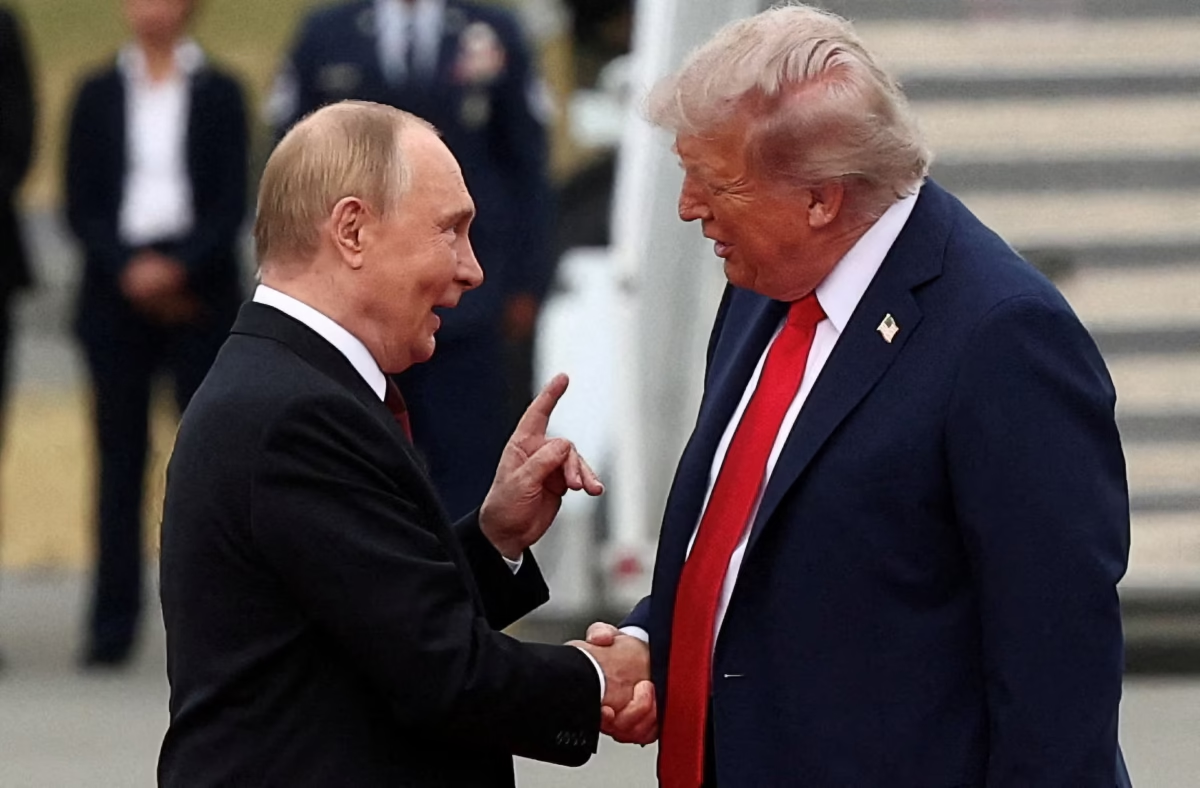
Trump announced that Russian President Vladimir Putin had agreed to release an initial 300,000 tonnes of diesel for the American and global markets, with further shipments expected in the months ahead.
The proposal comes as energy prices remain under pressure from the war involving the United States, Israel and Iran. Higher fuel costs have become a growing concern for American households, farmers and transport operators, adding to the political challenges facing Trump ahead of the November midterm elections.
Trump has presented the deal as a way to ease the burden on consumers and businesses. But critics say the arrangement risks undermining efforts to restrict Moscow’s energy revenues.
Bipartisan Opposition Puts Sanctions Under Scrutiny
The announcement has drawn criticism from Republican and Democratic lawmakers who argue that the deal conflicts with US restrictions on Russian energy imports.
Seven senators called on Trump to reverse course, warning that purchases of Russian energy could provide Moscow with additional revenue while its forces continue fighting in Ukraine.
The group included Republicans Susan Collins, Lisa Murkowski, Thom Tillis and John Curtis, alongside Democrats Jeanne Shaheen, Richard Blumenthal and Ron Wyden.
In a joint statement, the senators said Washington should not provide Russian President Vladimir Putin with financial support while Ukrainian civilians continued to die.
The dispute centres on the restrictions Congress introduced in 2022 to cut off US imports of Russian energy following Russia’s full-scale invasion of Ukraine.
Treasury Secretary Scott Bessent defended the administration’s approach in an interview with Fox News, saying the government could use existing legal mechanisms to help bring prices down.
Republican Thomas Massie also argued for a broader lifting of restrictions on petroleum products, setting him apart from lawmakers who want the administration to abandon the arrangement.
The competing positions highlight the difficulty of balancing domestic economic concerns with Washington’s commitment to penalising Russia for the invasion.

Zelensky Warns Russia Could Gain From the Deal
Ukrainian President Volodymyr Zelensky has strongly criticised the proposed arrangement, arguing that it could help finance Russia’s continued military campaign.
He described the deal as a gift to Putin and warned that the financial benefits could amount to support for a war that Ukraine wants brought to an end.
The reported plan provides for an initial 300,000 tonnes of diesel, followed by 500,000 tonnes in November and a further one million tonnes. An additional three million tonnes could be supplied later, depending in part on the condition of Russia’s refineries.
Russian Deputy Prime Minister Alexander Novak confirmed the figures to Tass, Russia’s state-owned news agency, and said monthly exports could eventually reach three million tonnes.
The proposed shipments come with questions about Russia’s ability to deliver the promised volumes. Ukrainian attacks have damaged Russian refinery infrastructure during the war, potentially complicating production and exports.
Under the reported arrangement, the US Treasury would temporarily suspend sanctions on Russian diesel exports until 7 April. Other Russian assets, including funds held in American banks, would remain frozen.
The scale and timing of the shipments will be important in determining whether the arrangement produces significant savings for American consumers.
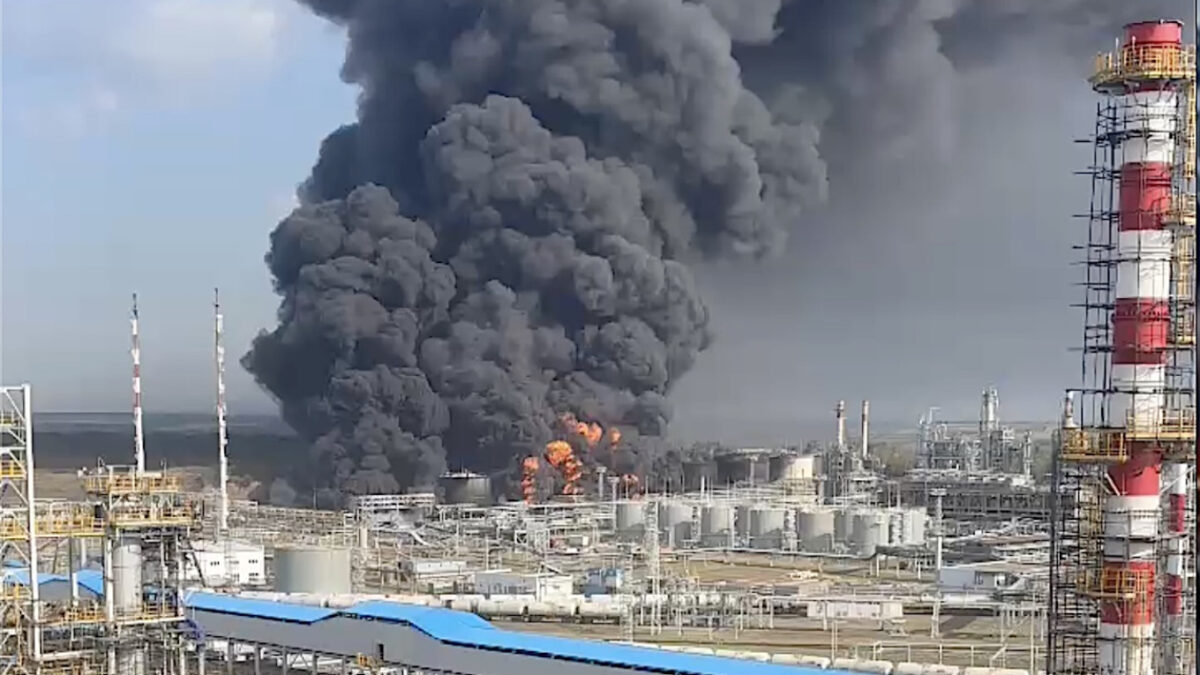
Can Russian Diesel Bring Down US Fuel Prices?
For Trump, the immediate challenge is the rising cost of energy.
The conflict involving the United States, Israel and Iran has disrupted oil supplies since fighting began at the end of February, contributing to volatility in international fuel markets.
Diesel is particularly important to the American economy. Farmers depend on it to operate machinery, while trucking companies use it to transport food, manufactured goods and other products across the country.
The American Automobile Association put the average US diesel price at $6.28 a gallon, down from a record $6.53 at the end of September.
Trump has argued that lowering fuel costs for farmers, ranchers and truckers is a priority. In principle, additional supplies could help ease pressure on the market. But the extent of any price reduction will depend on the quantity delivered, the timing of shipments and broader conditions in the global energy market.
The United States consumes approximately 3.6 million barrels of diesel each day. The initial Russian shipment would represent only a fraction of that demand, making it uncertain whether the deal alone could significantly reduce prices.
The political stakes are considerable. Voters will decide control of Congress in November, and fuel costs are one of several economic concerns confronting the administration.
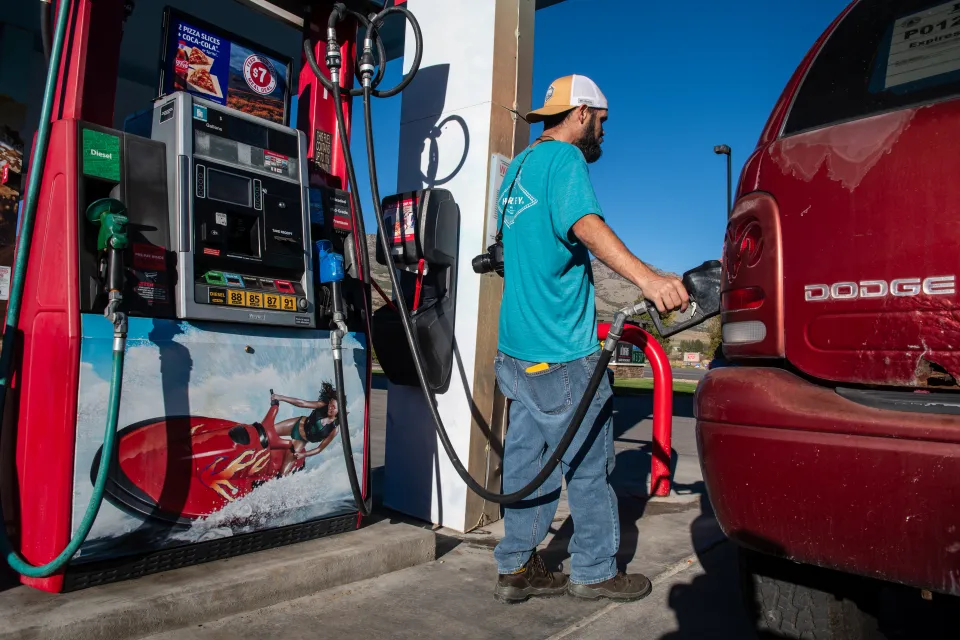
Western Allies Question the Cost of Easing Pressure on Moscow
The backlash has extended beyond the United States.
Canadian Prime Minister Mark Carney and British Defence Secretary Wes Streeting have criticised the arrangement. Streeting has argued that countries supporting Ukraine should focus on increasing pressure on Russia to end the war.
Their concerns reflect a wider disagreement over whether easing restrictions on Russian energy can be justified by the need to stabilise prices.
Trump also announced on Sunday that Russia and Ukraine had reached what he called an “energy ceasefire”. Zelensky welcomed the announcement, but the details remained unclear, and Moscow had not publicly responded at the time of the report.
The two developments, the proposed diesel shipments and the claimed ceasefire, have placed fresh attention on Washington’s efforts to address energy costs while pursuing an end to the conflict.
The central question is whether the promised supplies will be delivered in sufficient quantities to bring meaningful relief at the pump. The answer may determine not only the economic value of the deal but also how much political criticism the administration faces over its decision to turn to Moscow.
About the Author