For nine months, a mother carries a child before hearing its first cry.
In Lamu, another kind of birth has begun.
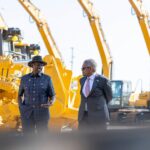
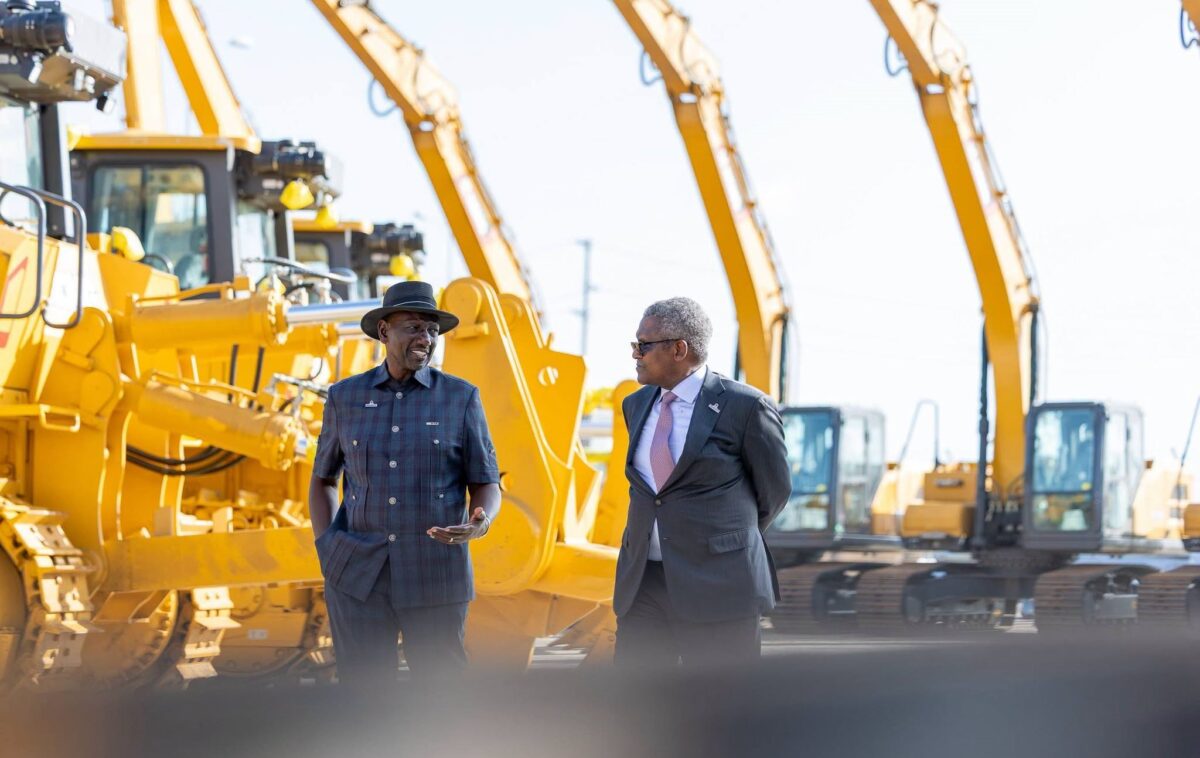
Aliko Dangote has given his proposed Sh2.2 trillion East African refinery 40 months to take shape. He expects to return with African leaders to commission the plant when the countdown ends.
President William Ruto has already warned that Kenyans will be watching.
“We have heard you, Aliko Dangote, that you have said we will be back here in 40 months to come and open this refinery. Kenyans are very good at keeping data,” Ruto said at the groundbreaking ceremony on September 30.
The promise now hangs over a project that could reshape Lamu’s economy, if its ambitions are matched by construction, jobs and opportunities for the communities around it.
From Lekki to Lamu
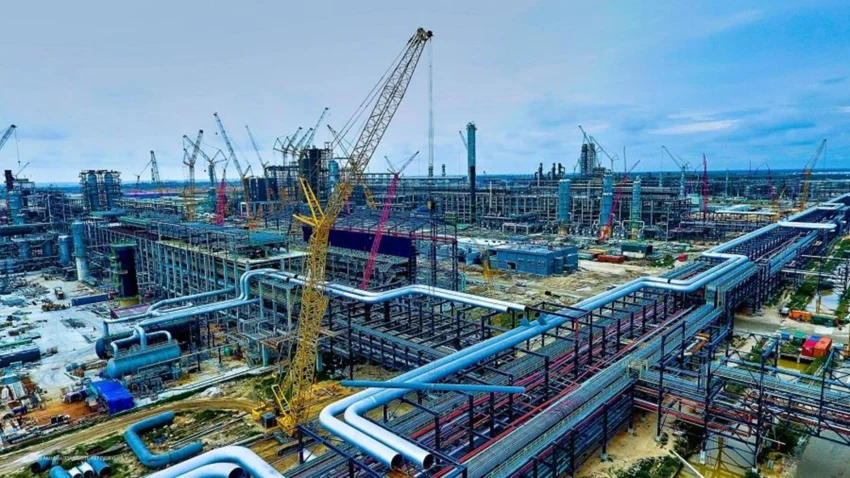
Dangote is drawing heavily on the experience of his refinery in Lekki, Nigeria.
The Nigerian project began in an area that, according to Majisola Ogunleye, a Nigerian familiar with development around Dangote’s projects, was once largely undeveloped.
“When I first came here back in 2013, it was all bush, water, and swamp,” he said, describing the changes she had witnessed around the Lekki project.
He said the development had since been associated with employment, business activity and support for local communities.
Dangote now wants Lamu to follow a similar path.
“Lekki refinery in Nigeria proved that it is capable, so Lamu must prove that it can be repeated,” he said.
The comparison, however, comes with a question: can the benefits of a project built on such a scale reach the people who already live and work in Lamu?
A refinery bigger than the refinery
The proposed Lamu facility is designed to process about 700,000 barrels of crude oil a day.
Dangote says it will also include a 1,000-megawatt power component and produce about one million tonnes of polypropylene and base oil. The project is expected to supply petroleum products to Kenya and other regional markets.
But the company’s pitch is about more than refining crude.
Dangote has described the refinery as the centre of a wider industrial ecosystem involving logistics, engineering, marine services, manufacturing, petrochemicals and small businesses.
“We are not here merely to build tanks, pipelines, processing units and jetties. We are here to help build an industrial ecosystem,” he said.
That could create opportunities far beyond the refinery gates.
A hotel could take in contractors. A food business could serve workers. Transport operators could gain customers. Mechanics could service construction equipment. Local suppliers could compete for contracts.
Business Daily reported that engineering and technology firms had already secured more than Sh100 billion in contracts as construction got under way.
The government has also projected about 60,000 jobs linked to the wider project. That figure covers employment associated with construction and related activity and should not be read as 60,000 permanent jobs inside the finished refinery.
Training before the jobs
For Lamu residents, one of the most significant announcements may be the proposed training school.
Dangote said the company will establish a facility to train 1,000 local people for opportunities connected to the refinery and related industries.
The programme is expected to target people with engineering degrees, diplomas and other relevant technical qualifications.
“Anybody who has an engineering degree, diploma, or whatever, tell him that he has a job,” Dangote said.
The training could matter as much as the construction itself.
Large industrial projects often require specialised skills. Without training, local communities can find themselves watching workers arrive from elsewhere while businesses around them expand.
The proposed school is intended to create a bridge between the investment and the local workforce.
President Ruto has urged residents to prepare for the business opportunities he expects to emerge.
“Biashara hapa itanoga vibaya sana. Sasa nyinyi mjipange,” he told residents.
The message was simple: get ready.
The questions beyond the construction site
The economic promise is substantial, but so are the questions surrounding the project.
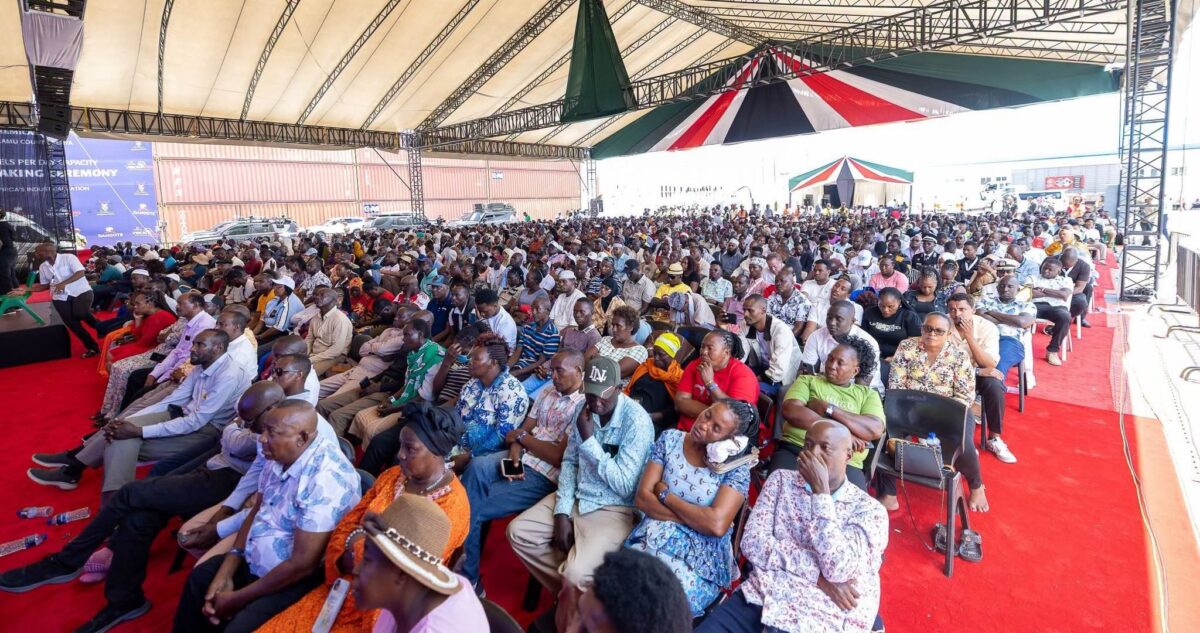
A group of 133 Lamu residents is challenging the use of land earmarked for the refinery. They say their families have occupied and cultivated parts of the disputed area for generations and are seeking recognition of their interests, compensation and resettlement.
The Malindi Environment and Land Court did not stop the September 30 groundbreaking. It ordered that the status quo on the disputed parcel be maintained pending an inter partes hearing scheduled for October 14, 2026.
The land case means that the project’s economic ambitions will develop alongside an unresolved legal dispute.
Ruto has said land matters will be handled lawfully and fairly and that residents’ interests will be protected.
For the communities affected, that assurance will ultimately be measured against what happens on the ground.
Lamu’s next chapter
The refinery is also tied to Kenya’s broader plans for Lamu Port and the Lamu Port-South Sudan-Ethiopia Transport Corridor.
The government sees the industrial project as a way of generating commercial activity around the port and strengthening Lamu’s position as a regional logistics and energy centre.
But a refinery of this size will take years to build.
The 40-month deadline is therefore more than a date on a calendar. It is a test of whether the project can move from ceremony to construction, from construction to jobs, and from jobs to lasting businesses.
For Dangote, Lekki is evidence that the model can work.
For Lamu, the question is what that model will mean for the people who live there.
The answer will not be found only in barrels of crude processed or billions of shillings invested.
It will be seen in who gets trained, who gets hired, which businesses grow, how land concerns are resolved and what remains after the construction crews leave.
The clock is now running.
About the Author