Ethiopia and Eritrea have severed diplomatic ties as fighting in northern Ethiopia intensifies, reviving fears of a wider conflict in the Horn of Africa.
Addis Ababa said on Thursday that it was expelling 10 Eritrean diplomats and closing its embassy in Asmara. Ethiopia accused Eritrea of supporting the Tigray People’s Liberation Front (TPLF), which has launched attacks against government forces and allied militias.
Eritrea rejected the move and said it would respond by cutting diplomatic relations with Ethiopia.
Its foreign ministry accused Ethiopia of pursuing what it described as a sustained hostile policy aimed at securing access to the Red Sea.
Hundreds of people have reportedly been killed or wounded since heavy fighting resumed in northern Ethiopia last week. The violence has raised concerns about a return to the 2020-2022 Tigray war, one of the country’s deadliest conflicts in recent history.
The TPLF has carried out attacks in neighbouring Afar and Amhara regions, fighting alongside local armed groups, according to reports.
Rising regional tensions
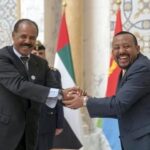
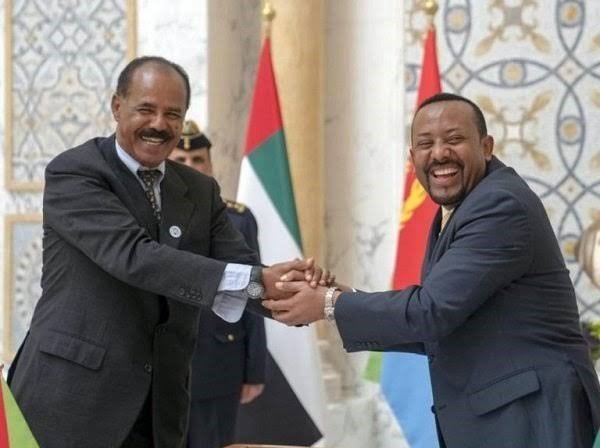
The latest crisis has strained relations between the two neighbours, which once fought alongside each other against Tigrayan forces.
Relations improved after Prime Minister Abiy Ahmed came to power in 2018. But tensions have since returned, particularly over Ethiopia’s ambitions for access to the Red Sea.
Eritrea gained independence from Ethiopia in 1993. The countries later fought a border war from 1998 to 2000 that killed tens of thousands of people.

Ethiopia has also been involved in a long-running dispute with Egypt over its massive Grand Ethiopian Renaissance Dam on the Nile.
Egypt has strengthened relations with Eritrea in recent months, adding another layer to the tensions surrounding the conflict.
Ethiopia also announced the expulsion of an Egyptian diplomat on Thursday, though it did not provide a reason.
Blast at military headquarters
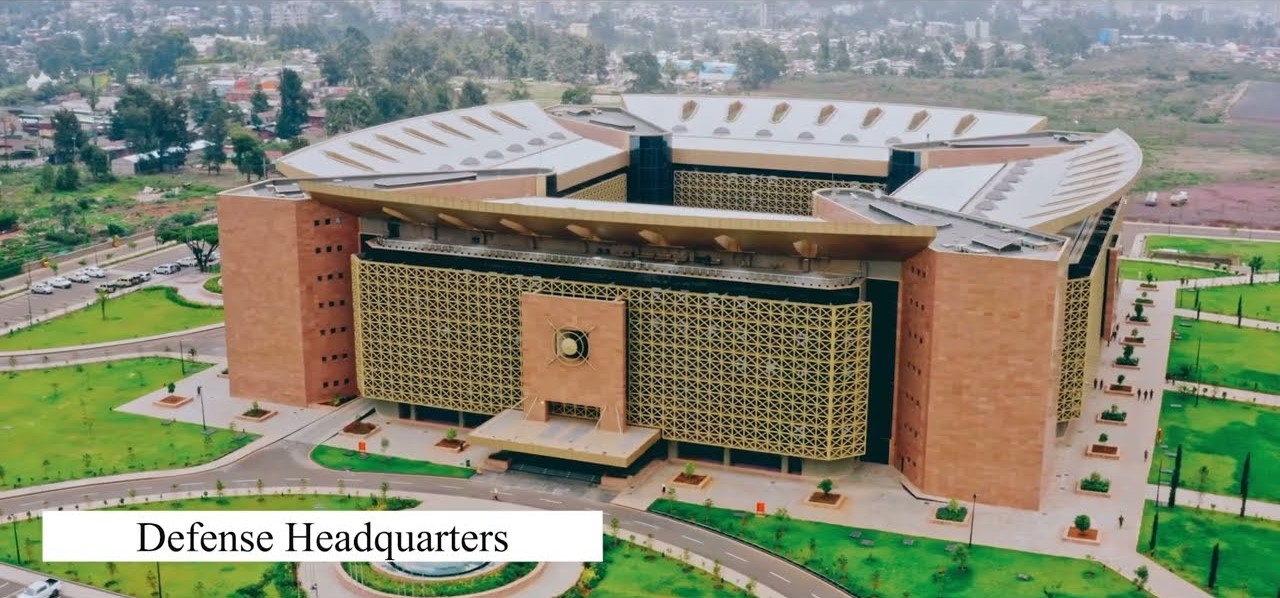
The tensions have also reached Ethiopia’s capital, where an overnight explosion struck the headquarters of the Ethiopian National Defence Force in Addis Ababa.
The cause of the blast and those responsible were not immediately known. Authorities had also not released casualty figures.
A worker at a nearby bar told AFP that the explosion was powerful and caused panic in the surrounding area.
Neither Abiy’s office nor the military immediately responded to requests for comment.
The development came a day after authorities ordered a ban on drone flights around Addis Ababa.
Conflict-monitoring group ACLED has reported suspected drone attacks on military and civilian airports in Oromia and Amhara.
Fighting continues in the north
On the battlefield, government-aligned forces appeared to be regaining ground in parts of northern Ethiopia.
A humanitarian source told AFP that Tigrayan forces had been pushed out of Erebti in Afar, a town they had captured earlier in the week.
A pro-government militia also claimed to have retaken Erebti and Maychew in southern Tigray.
Independent verification remains difficult because access to affected areas is restricted and communications have been disrupted.
Doctors Without Borders, known by its French acronym MSF, said it had recorded more than 420 wounded people at hospitals in Korem and Alamata by September 25, and more than 300 at a hospital in Shire.
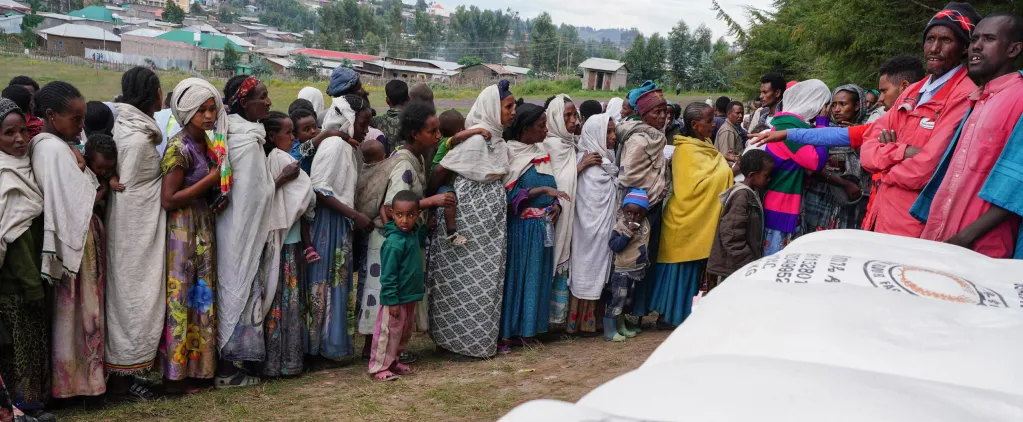
The renewed fighting has also forced thousands of people from their homes. A humanitarian source estimated that tens of thousands had fled areas of Afar.
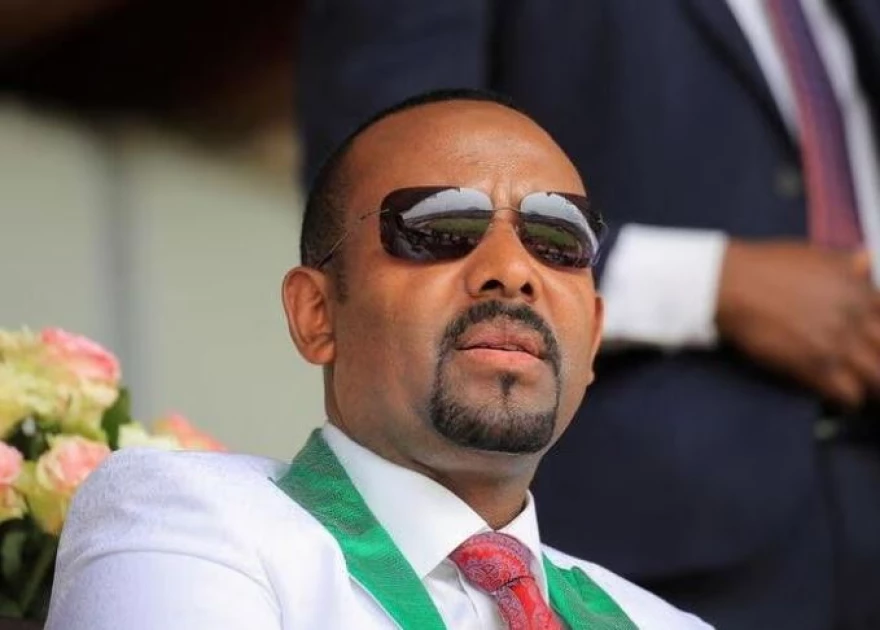
Abiy, who has not publicly commented on the latest crisis, is due to be sworn in for a new term on Monday after winning June’s election.
His government now faces renewed fighting in the north alongside unrest involving several armed groups elsewhere in the country.
About the Author