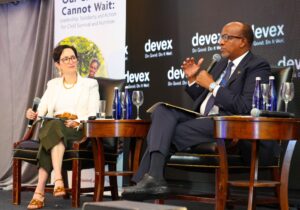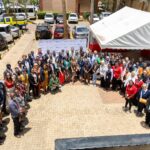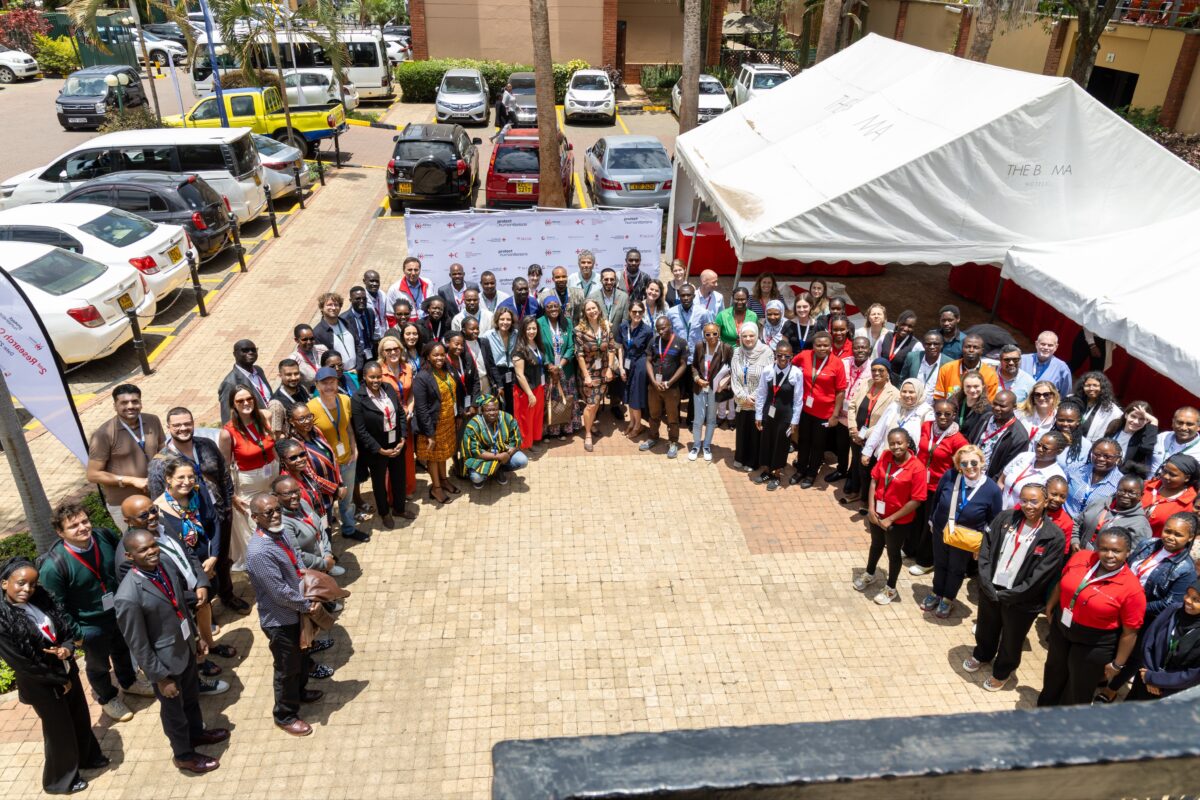
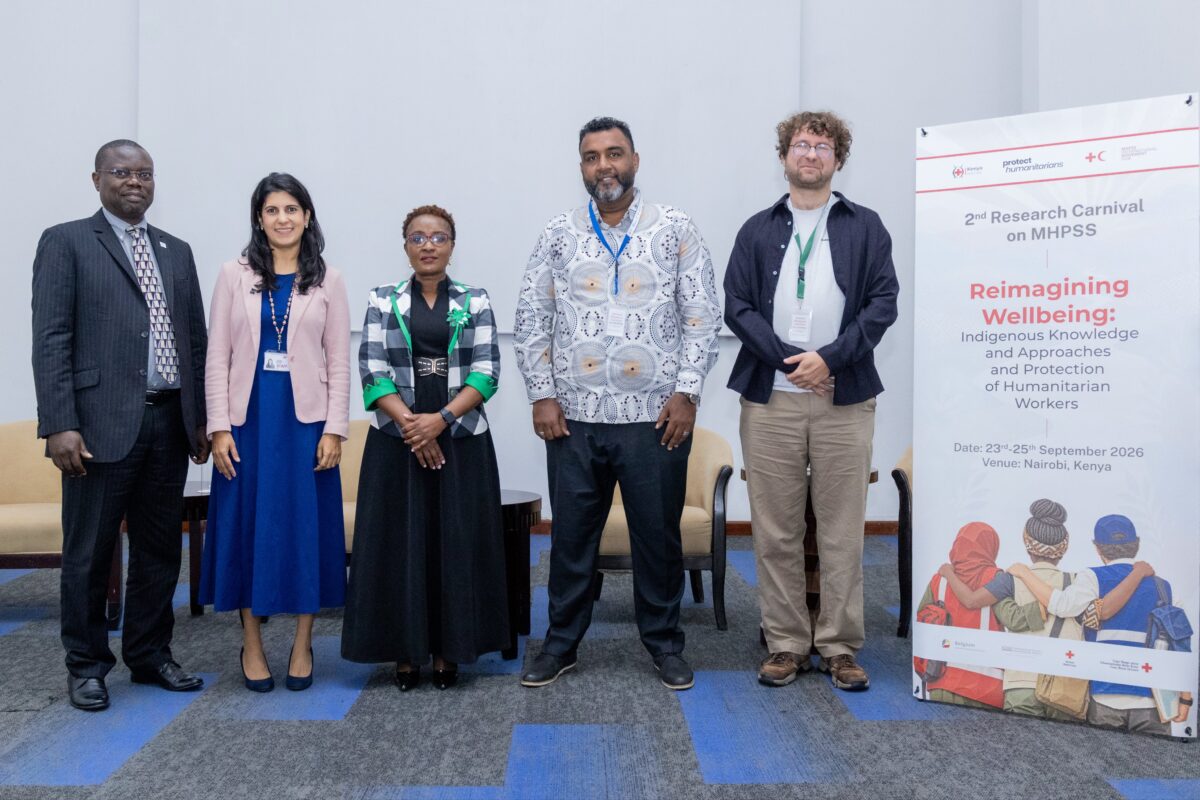
The Kenya Red Cross Society has hosted researchers, humanitarian practitioners and National Red Cross and Red Crescent Societies from around the world for the second Mental Health and Psychosocial Support (MHPSS) Research Carnival in Nairobi.
The three-day event, held from September 23 to 25, focused on strengthening mental health and psychosocial support for communities as well as protecting the wellbeing of humanitarian workers who routinely operate in demanding and sometimes traumatic environments.
Held under the theme, “Reimagining Wellbeing: Indigenous Knowledge and Approaches and Protection of Humanitarian Workers,” the gathering explored how locally rooted knowledge, research and innovation can be incorporated into mental health interventions.
The carnival brought together researchers and frontline practitioners to exchange evidence, experiences and approaches to addressing psychological distress during humanitarian emergencies and in communities affected by crises.
A major focus was the role indigenous knowledge can play in shaping mental health and psychosocial support programmes that reflect the cultural and social realities of the communities they are designed to serve.
The discussions also placed the mental wellbeing of humanitarian workers at the centre of emergency response, recognising that responders are frequently exposed to disasters, conflict, death, displacement and other distressing situations while providing assistance to affected populations.
“Caring for those who care for others is not a side project of the humanitarian mission, it is the mission,” Kenya Red Cross said in highlighting the gathering.
The message underscores growing attention within the humanitarian sector to the psychological pressures experienced by staff and volunteers, including those working on the front lines of emergencies.
For organisations responding to disasters and other crises, psychosocial support can therefore extend beyond affected communities to include responders themselves.
The Nairobi gathering also provided an opportunity for researchers and practitioners to examine how scientific research can be combined with community knowledge rather than relying solely on approaches developed outside the populations experiencing a crisis.
By bringing National Societies and specialists from different countries together, the research carnival sought to facilitate the exchange of practices that can be adapted to different humanitarian contexts while recognising cultural differences.
The event concluded on Friday, September 25, with the wider discussion centred on developing mental health and psychosocial interventions that are locally informed, evidence-based and responsive to the needs of both communities and humanitarian personnel.
About the Author