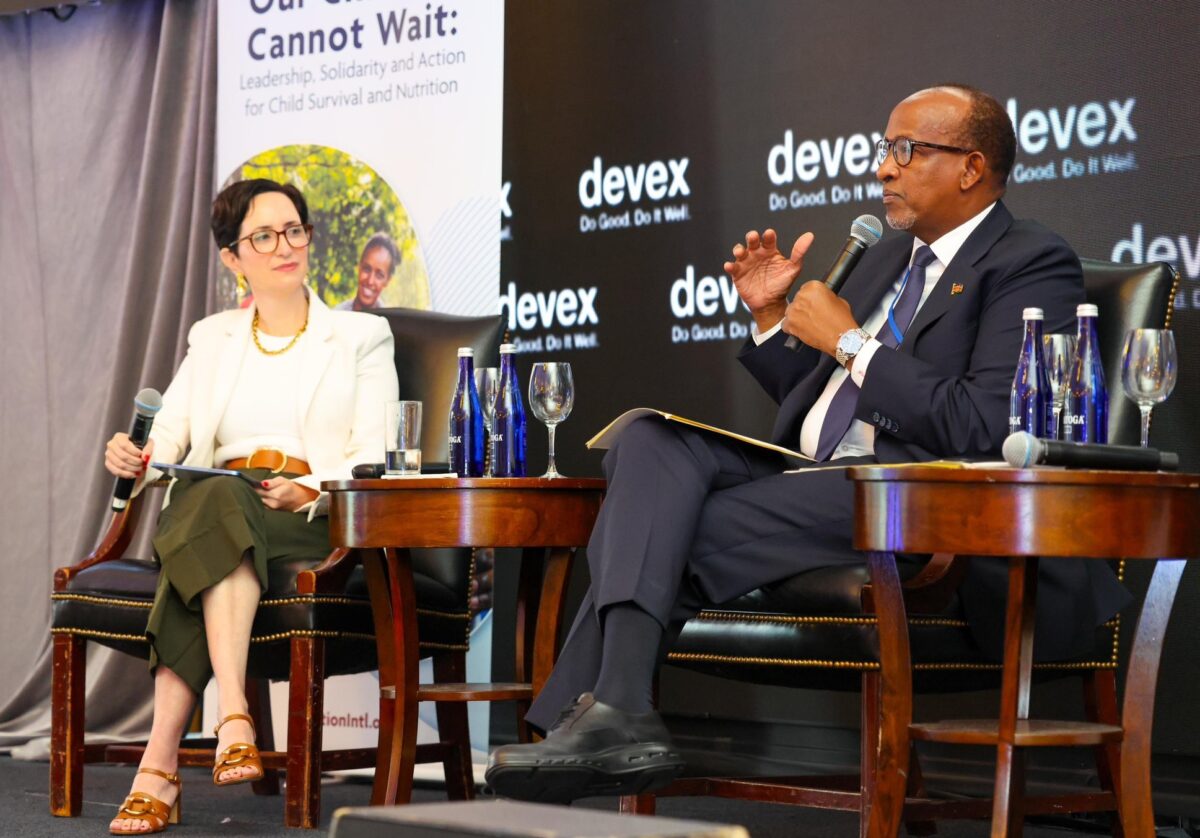
Health Cabinet Secretary Aden Duale announced the target on Thursday while representing President William Ruto at a high-level summit on child survival and nutrition hosted by King Letsie III of Lesotho on the sidelines of the 81st United Nations General Assembly.
Kenya’s school meals programme currently reaches about 2.6 million learners. The government says it wants to extend that coverage to 10 million children by the end of the decade.
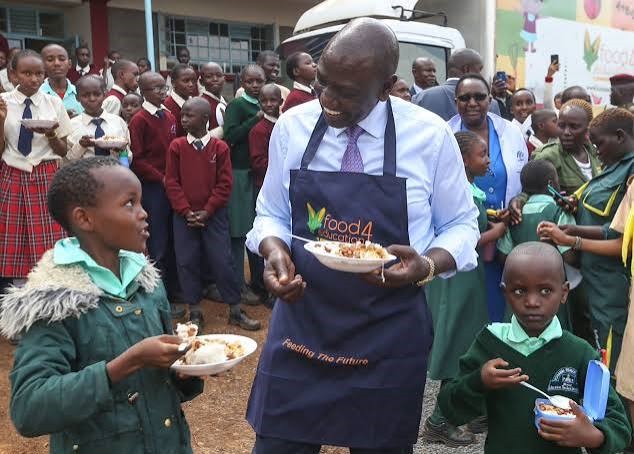
Government expands school feeding programme
Duale said the expansion would form part of a wider effort to improve child nutrition and access to essential services.
“We are scaling school meals from 2.6 million to 10 million learners by 2030,” he said.
He also said the government was increasing attention on the first 1,000 days of a child’s life, early childhood development, nurturing care and social protection.
The school feeding programme has expanded significantly in recent years. The government has also been pursuing a home-grown model that links school meals to food produced by local farmers.
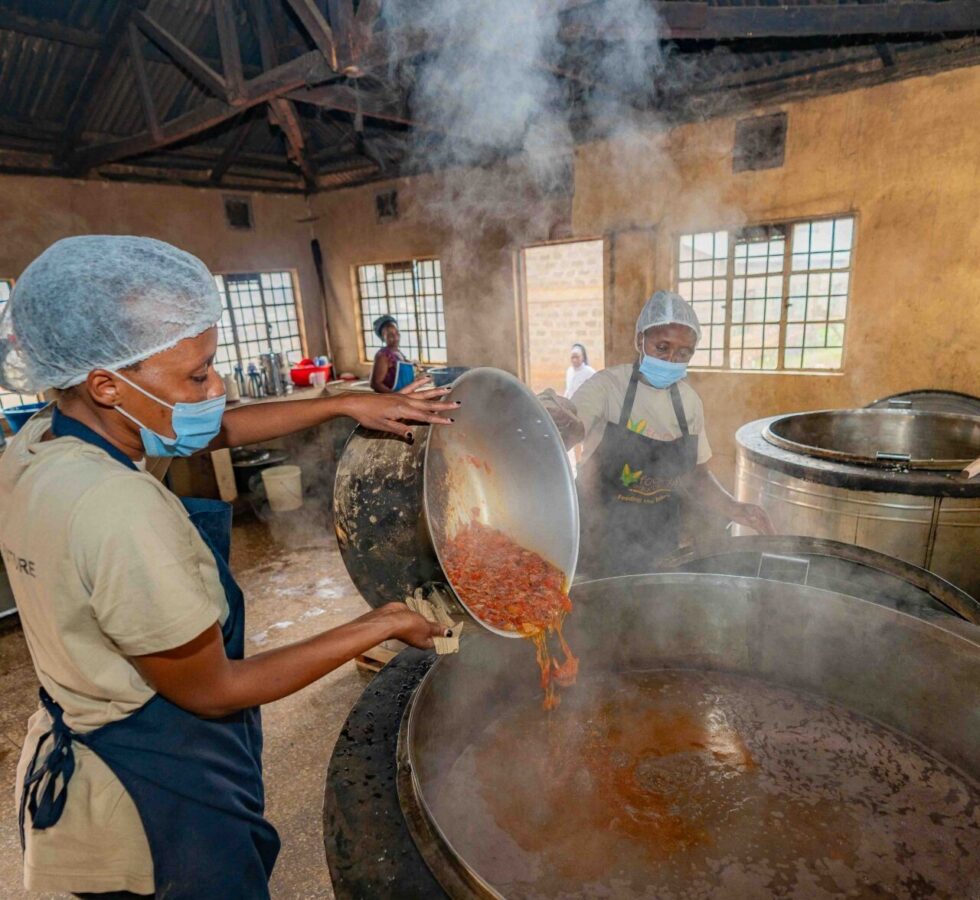
Malnutrition remains a concern
The expansion comes as Kenya continues to face challenges linked to child nutrition and food insecurity.
UNICEF data shows that 18 per cent of children under five in Kenya were affected by stunting in 2022, while 5 per cent were affected by wasting.
The situation is particularly difficult in some arid and semi-arid areas, where drought and limited access to nutritious food can leave children more vulnerable. UNICEF has reported that child food poverty remains considerably higher in some counties than the national average.
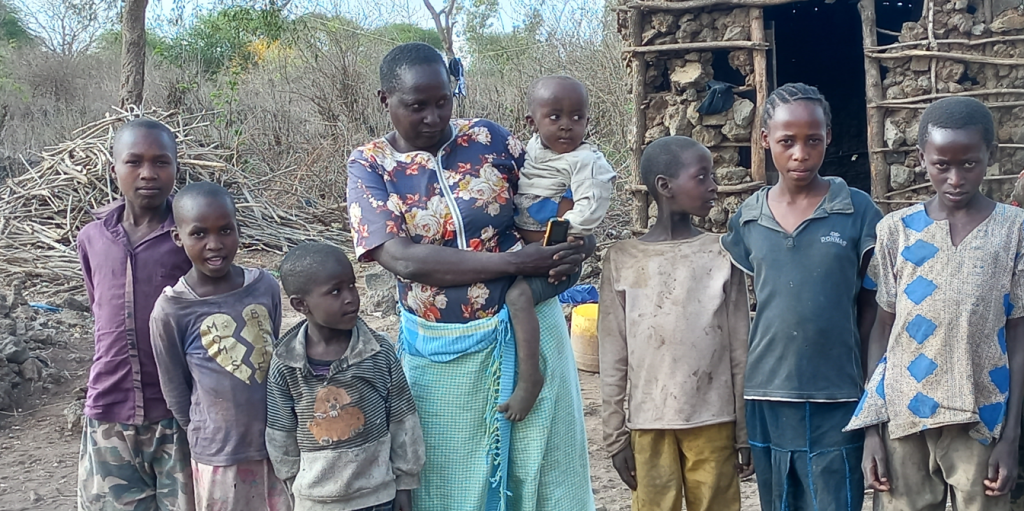
Programme links schools to local farmers
The government is also seeking to connect school feeding with agricultural production.
Under the home-grown approach, schools can source food from local farmers, creating a market for smallholder producers while supplying meals to children.
The Education Ministry has been developing different approaches to expand the programme and reach more learners. Government planning documents identify school meals among programmes aimed at supporting vulnerable learners.
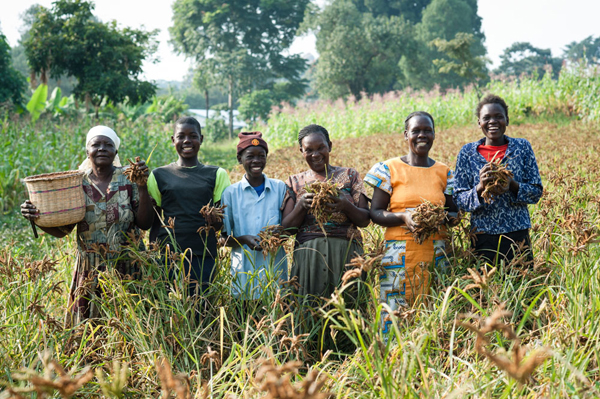
Kenya points to progress in child survival
Duale also highlighted improvements in child survival and nutrition.
UNICEF’s latest country data puts Kenya’s under-five mortality rate at 38.8 deaths per 1,000 live births in 2024, down from 40.5 in 2022.
The government says it is combining school feeding with primary healthcare, community health services and measures aimed at improving food security.
Duale said Kenya was also calling for continued investment in maternal and child health, stronger health systems and food systems that can withstand climate pressures.
The planned expansion would mean reaching about 7.4 million additional learners compared with the current reported coverage of 2.6 million.
The government’s challenge will now be to translate the 2030 target into sustained meals for children across the country while maintaining the quality and nutritional value of the food being provided.
About the Author