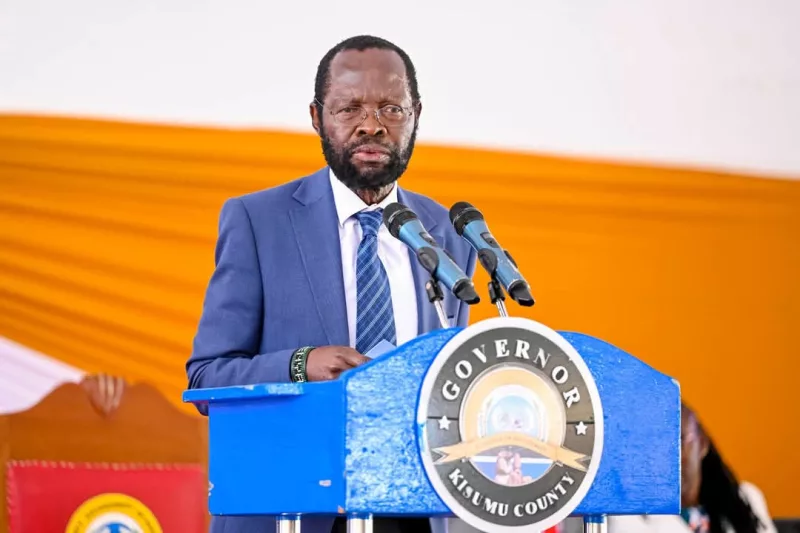
Kisumu Governor Prof. Anyang’ Nyong’o has said Kenya’s biggest obstacle in delivering Vision 2030 was a lack of adequate funding, arguing that the country must put resource mobilisation at the centre of its next long-term development plan.
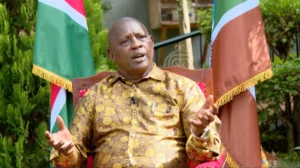
Speaking during an interview on Citizen TV on Wednesday, Nyong’o said Kenya’s experience over the past two decades should serve as a lesson as the government begins shaping Vision 2060, the blueprint expected to guide the country’s development beyond 2030.
According to the governor, the ambitions set out under Vision 2030 were not matched by sufficient financial resources, both from within the country and from development partners.
“Some of the shortcomings are that we did not have enough resources to realise the goal of Vision 2030, both internal and the resources we could borrow from our development partners,” Nyong’o said.
He added that Kenya must now place sustained attention on raising the money needed to fund long-term national priorities.
“We learned that lesson that to realise Vision 2060, it must focus seriously, accurately and consistently in raising resources.”
Nyong’o pointed to President William Ruto’s proposed wealth fund as an example of the type of financing model that could support future development if managed effectively.
“One example is when President William Ruto came up with the wealth fund that was not thought of before. It is the kind of wealth fund that can help people improve themselves by getting money and investing in developmental projects,” he said.
He argued that similar initiatives should become a central part of implementing Vision 2060, just as financing mechanisms supported aspects of Vision 2030.
Beyond funding, Nyong’o said Kenya’s long-term development should not be dictated by election cycles. While elections determine who holds office, he said, governments are ultimately judged by the policies they pursue and the direction they set for the country.
“Elections just decide who governs. But who governs must come up with some policies, some direction of where we are going,” he said.
The governor also reflected on Kenya’s historical milestones, saying each generation has played a distinct role in shaping the nation.
He credited the independence generation with securing self-rule and described the architects of the 2010 Constitution as having laid the foundation for modern governance.
“Our generation now must build a prosperous nation out of that Constitution,” he said.
Nyong’o, who participated in the development of Vision 2030, said the country must now look beyond the current strategy as its implementation period draws to a close.
“Vision 2030 will be ending soon. We must look further than 2030. That’s why we’re looking at Vision 2060.”
President William Ruto recently unveiled the Vision 2060 framework, describing it as Kenya’s next long-term development roadmap aimed at sustaining economic growth, expanding opportunities and strengthening the country’s global competitiveness over the next three decades.
The President also announced an advisory team co-chaired by Prof. Hiroyuki Hino and Prof. Anyang’ Nyong’o to lead nationwide consultations on the new blueprint. The process is expected to bring together government officials, business leaders, academics, civil society and members of the public to shape Kenya’s long-term development agenda.
About the Author