The World Health Organisation (WHO) has issued an urgent appeal for greater international support as the Ebola outbreak in the Democratic Republic of Congo (DRC) continues to spread faster than health teams can contain it.
Less than three months after the outbreak was declared, the virus has become the largest Ebola outbreak the country has experienced, stretching response teams and raising concerns that existing resources may not be enough to halt its advance.
“The outbreak is unfortunately still expanding beyond the capacity of the response,” WHO spokesperson Tarik Jasarevic told reporters in Geneva on Tuesday.
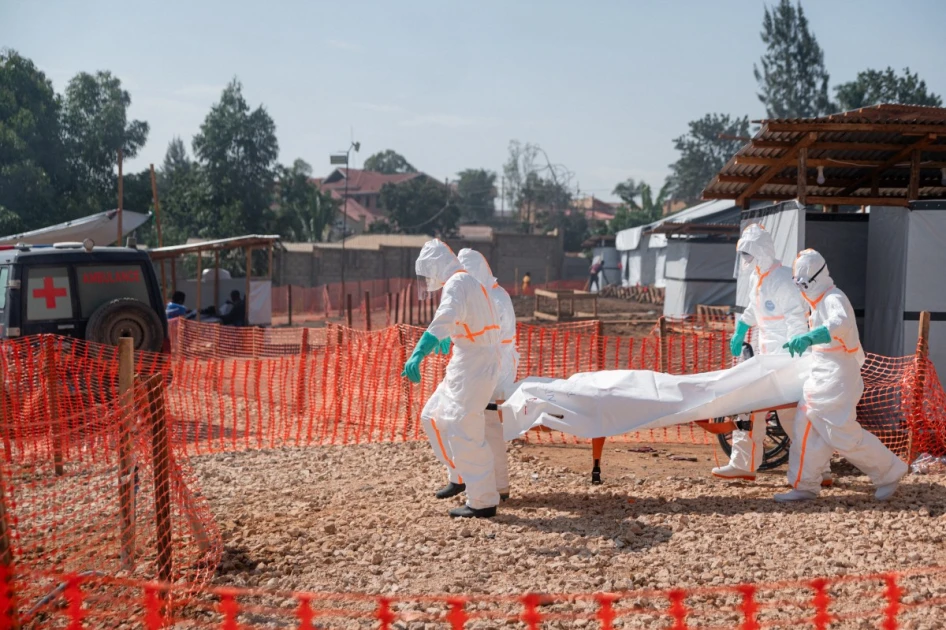
He said more financial backing and additional personnel were needed to strengthen treatment centres, deploy more disease investigation teams, support safe burial operations and expand community outreach.
“We need more support in terms of finances, but also other resources to scale up all areas of response: treatment capacity, field investigation teams, safe burial teams and community workers,” Jasarevic said.
According to the WHO, the DRC has recorded 3,802 confirmed Ebola cases, including 1,707 deaths, while 727 people have recovered. Another 275 suspected cases remain under investigation.
Health officials are also monitoring around 17,000 people who may have been exposed to the virus, with more than 80 per cent receiving daily follow-up checks.
WHO Says Response Is Being Overwhelmed
Although infections have been reported across five provinces, the outbreak remains heavily concentrated in the country’s northeast. Nearly 90 per cent of confirmed cases are in Ituri Province, with most of the remaining cases reported in neighbouring North Kivu.
Bundibugyo Strain Presents New Challenges
The current outbreak is caused by the Bundibugyo strain of the Ebola virus, a less common variant for which there is currently no approved vaccine or proven treatment. That has made containment more difficult than previous outbreaks involving the Zaire strain.
Even so, researchers say there are encouraging signs from ongoing clinical studies.
Vasee Moorthy, who heads the WHO’s research and development programme, said scientists are examining whether the Ervebo vaccine already approved against the Zaire strain could also offer protection against the Bundibugyo variant.
A WHO advisory group reviewed the latest evidence last week and is expected to issue recommendations soon.
Vaccine and Treatment Trials Offer Hope
Meanwhile, two experimental vaccines are advancing through early-stage clinical trials. One has been developed using the ChAdOx1 platform by the University of Oxford in partnership with the Serum Institute of India, while another mRNA-based candidate is being developed by Moderna.
Researchers are also testing two experimental treatments in patients diagnosed with Ebola in Ituri. These include the monoclonal antibody MBP134 and the antiviral drug remdesivir, both being assessed individually and in combination.
Separately, health officials are evaluating obeldesivir, an antiviral medicine being offered to people who have been exposed to confirmed Ebola cases. More than 25 high-risk contacts have already joined the trial to determine whether the 10-day oral treatment can prevent the disease from developing.
Ebola is a severe viral haemorrhagic fever that spreads through direct contact with infected bodily fluids. Rapid identification of cases, safe burials, community engagement and access to treatment remain central to efforts to contain outbreaks.
With infections continuing to rise, the WHO says stronger international backing will be essential to prevent the outbreak from spreading further and to give frontline health workers the resources they need.
About the Author