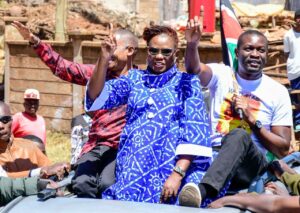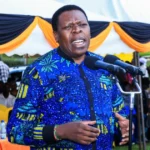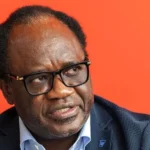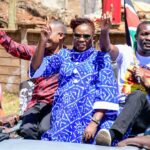

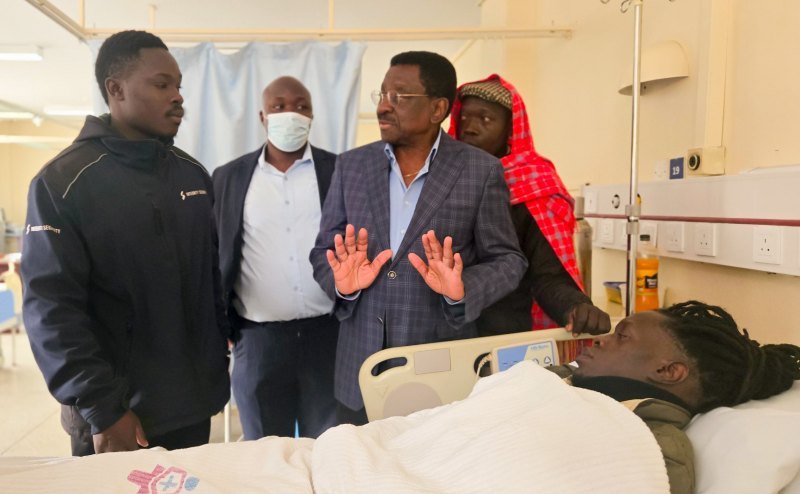
Siaya Governor James Orengo has sharply criticised the alleged abduction and torture of Mathare activist Davis Lichuma, saying the incident raises fresh concerns over the treatment of government critics and the fate of people still missing after the June 25 Gen Z memorial protests.
Speaking after visiting Lichuma at Nairobi Women’s Hospital, Orengo described the activist’s condition as deeply distressing and urged authorities to account for those who disappeared during the demonstrations.
“What I saw is devastating. Davis is reeling in pain on his sickbed, unable to speak,” Orengo said.
Human rights organisations say Lichuma disappeared after taking part in the protests before later being found alive with serious injuries. He was initially admitted to Kenyatta National Hospital before being transferred to Nairobi Women’s Hospital for specialised treatment.
Orengo accused the government of abandoning constitutional safeguards and using excessive force against dissenting voices.
“This government has found a horrific new way of dealing with dissenting voices, completely ignoring the stoppage of abductions and extrajudicial killings that Rt. Hon. Raila Odinga demanded in his 10-point agenda,” he said.
The governor also threw his support behind Embakasi East MP Babu Owino, who has petitioned the courts over the disappearance of two Mathare residents, Abdulaziz Zizou and Max, who remain missing after the demonstrations.
“I stand firmly with Comrade Babu Owino, who has filed a missing persons application for Abdulaziz Zizou and Max from Mathare, who are still missing. Our resolve to support these families is unshakeable. We will fight for them in and outside the courts until justice is served,” Orengo said.
A day earlier, Orengo had described Lichuma’s alleged ordeal as “a criminal act of the state”, arguing that continued reports of abductions, enforced disappearances and torture undermine the rights guaranteed under Kenya’s 2010 Constitution.
“When we had the Constitution 2010 proclaimed, we thought these things had come to an end, but they continue,” he said.
The case has drawn criticism from politicians, lawyers and human rights defenders. Former Chief Justice David Maraga, who also visited Lichuma in hospital, said the activist appeared to have suffered severe abuse.
“He’s not able to talk. You don’t need to be told what he’s gone through. His frequent tremors when asleep, most likely post-traumatic stress disorder, tell it all. Davis has been tortured,” Maraga said, calling for those responsible to be held accountable.
Rights groups have renewed calls for investigations by the Independent Policing Oversight Authority (IPOA) and the Kenya National Commission on Human Rights into reports of enforced disappearances, torture and assaults linked to the June 25 protests.
The government, however, maintains that security officers were deployed to preserve public order during the demonstrations.
National Communications Centre Director General Charles Owino said the National Police Service remains committed to operating within the law and that any allegations of police misconduct should be investigated through the country’s established legal processes.
The competing accounts have intensified scrutiny of the state’s handling of the protests, with growing pressure on investigative agencies to establish what happened to those reported missing and determine whether any laws were broken.
About the Author