

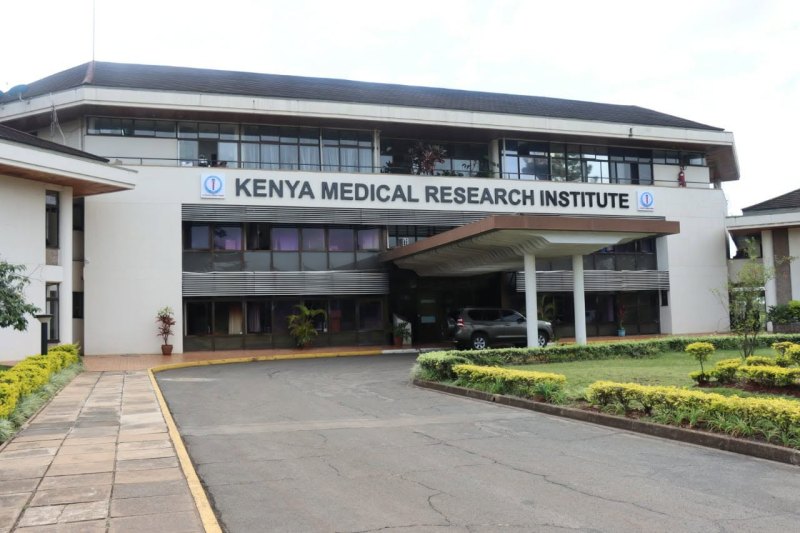
The Kenya Medical Research Institute (Kenya Medical Research Institute) has moved to dismiss viral social media claims suggesting it was recruiting volunteers for a controversial malaria study involving deliberate infection.
The posts, which circulated widely online, alleged that the institute was seeking around 200 participants who would be intentionally exposed to malaria parasites. They further claimed volunteers would remain in hospital for 24 days and receive a payment of Sh48,000.
The claims quickly sparked public concern, tapping into long-standing sensitivities around medical research and clinical trials in Kenya.
In a statement shared on its official platforms, KEMRI rejected the reports as misleading. The institute urged the public to ignore unverified information and instead rely on its official communication channels.
“All KEMRI research involving human participants is conducted under strict ethical and regulatory oversight, with participant safety and informed consent as core requirements,” the institute said.
KEMRI did not directly address the specific figures circulating online, but it firmly ruled out the allegations as inaccurate.
Kenya’s Long History of Malaria Research
Kenya has long been a key site for malaria research, with the country hosting a range of studies led by KEMRI in collaboration with international partners. These studies are typically governed by national ethics committees and international research standards that require informed consent and close medical supervision.
Malaria remains one of Kenya’s most persistent public health challenges. Health authorities estimate that a large share of the population remains at risk, with millions of cases reported annually.
The episode comes at a time when health institutions across the region are also strengthening preparedness systems, including surveillance and prevention measures for infectious diseases.
In recent weeks, KEMRI officials have also been involved in broader public health support efforts, including the distribution of infection prevention supplies to border and county health facilities as part of ongoing disease preparedness initiatives.
While the institute has sought to calm public anxiety over the viral claims, the incident highlights how quickly misinformation about medical research can spread online, and how it can shape public perception of scientific work already underway in the country.
About the Author