President Urges Calm
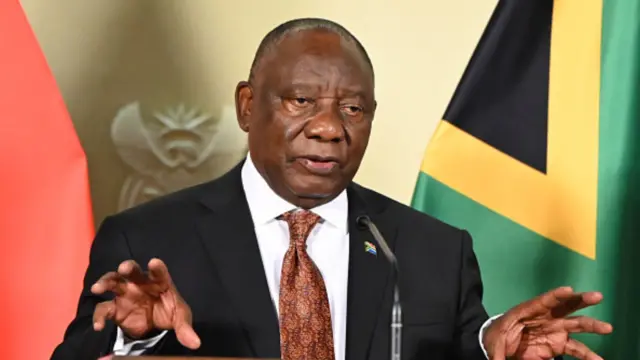
South African President Cyril Ramaphosa has called on citizens not to blame migrants for the country’s deep economic and social challenges, as anti-immigrant tensions continue to rise.
The appeal was made during Youth Day commemorations, an annual event that honours the students who took part in the 1976 Soweto uprising against apartheid.
His remarks came after weeks of demonstrations in several communities where undocumented migrants have been targeted and ordered to leave.
Migrants Blamed for National Problems
South Africa has long attracted workers from across Africa. Some arrive through legal channels. Others do not.
But growing frustration over unemployment, crime and poor public services has increasingly been directed at foreign nationals.
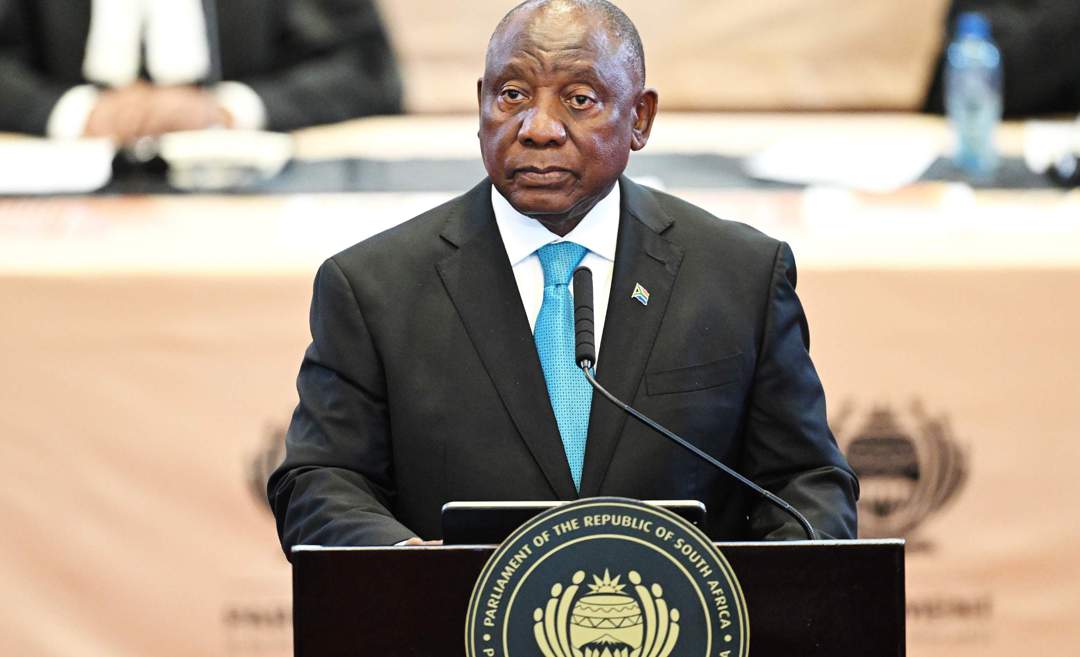
“There are some who blame the problems of the current government, of unemployment and crime and poor service delivery, on foreign nationals,” Mr Ramaphosa said.
The president acknowledged concerns over illegal immigration.
However, he argued that South Africa’s challenges should not be placed on the shoulders of migrants.
“Even as we recognise the challenge of illegal immigration… our problems are our own problems, and which we have a responsibility to fix ourselves,” he said.
Rising Tensions on the Ground
In recent weeks, groups of protesters have marched through parts of the country demanding that undocumented migrants leave by the end of June.
Concerns over public safety have been heightened.
Businesses have reportedly been looted.
Foreign nationals have reported feeling increasingly vulnerable.
As tensions have grown, some citizens of countries including Nigeria, Zimbabwe, Malawi, Mozambique and Ghana have chosen to return home through repatriation programmes organised by their governments.
Youth Joblessness Remains a Challenge
At the heart of the debate lies South Africa’s unemployment crisis.
According to figures cited by the president, youth unemployment stands at about 42 per cent, significantly higher than the national average.
The government, he said, is working to expand employment opportunities and encourage businesses to hire young people entering the workforce for the first time.
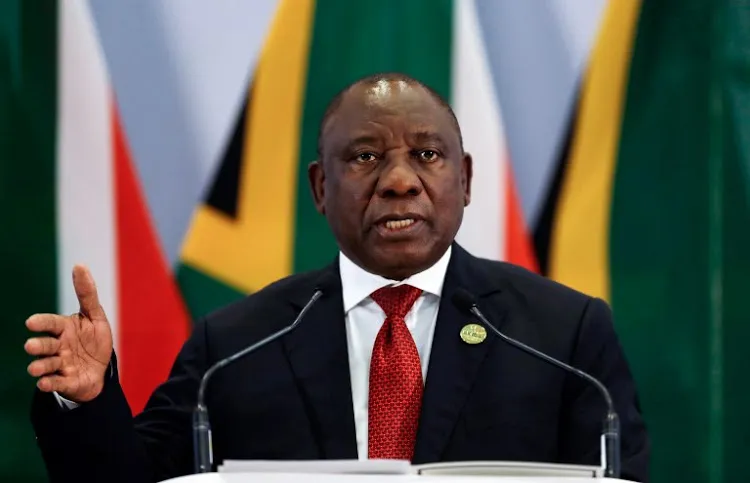
“Addressing these challenges does require practical solutions, not the scapegoating of vulnerable people,” Mr Ramaphosa said.
Warning Against Destabilisation
Following the ceremony, a stronger warning was issued by the president to groups involved in the anti-migrant demonstrations.
“There does seem to be an intention to destabilise the country, and the clear message is that we are not going to allow that,” he told reporters.
The comments reflected growing concern within government that rising tensions could fuel further unrest.
A Delicate Balance
The debate over immigration remains one of South Africa’s most sensitive political issues.
Calls for tighter border controls continue to be made by some communities and political groups.
Human rights advocates, meanwhile, have warned against actions that target migrants collectively for problems rooted in broader economic and governance challenges.
With more than three million foreign nationals living in South Africa, according to official statistics, the issue is unlikely to fade soon.
For now, the president’s message was clear: solutions should be sought through policy and economic reform, not through anger directed at vulnerable communities.
About the Author