Kenya is making a deliberate shift in how it markets itself to the world, turning to food as a central pillar of its tourism strategy.
The country’s tourism authorities have struck a partnership with food discovery platform EatOut Africa in an effort to position cuisine, culture and everyday dining experiences at the centre of its travel appeal. The move reflects a wider shift in global tourism, where visitors increasingly plan trips around food, not just landmarks.
At a signing ceremony in Nairobi, officials said the goal is to move beyond Kenya’s long-standing identity as a safari and beach destination.
Tourism beyond the Savannah
Kenya Tourism Board says the new strategy is designed to broaden the country’s appeal to travellers who want more immersive, locally grounded experiences.
The board’s chief executive, June Chepkemei, said modern tourists now make decisions long before they board a plane, often guided by online reviews, social media and digital recommendations.
“Today’s visitor does not wait until arrival to decide where to dine or what experiences to enjoy,” she said. “They research online, they compare reviews and explore digital content before making travel choices.”

She said Kenya must respond to those habits or risk losing visibility in an increasingly competitive market.
From restaurant listings to travel experiences
Eat-Out Africa, known for its restaurant discovery platform, will now expand into broader travel experiences under the partnership.
General Manager Lorenzo Lorenze said the company’s focus is shifting from simply listing restaurants to helping shape how visitors engage with Kenya’s food culture.
“We will extend our products to operators offering unique culinary experiences while showcasing the very best of Kenya’s growing food scene,” he said.
The platform already connects users to restaurants across Nairobi and has processed millions of dining interactions, according to the company.

A new kind of itinerary
Under the initiative, visitors could soon book experiences that go beyond dining rooms. Plans under discussion include tea farm tours, coffee roastery visits, cooking classes, and food storytelling sessions led by local chefs.
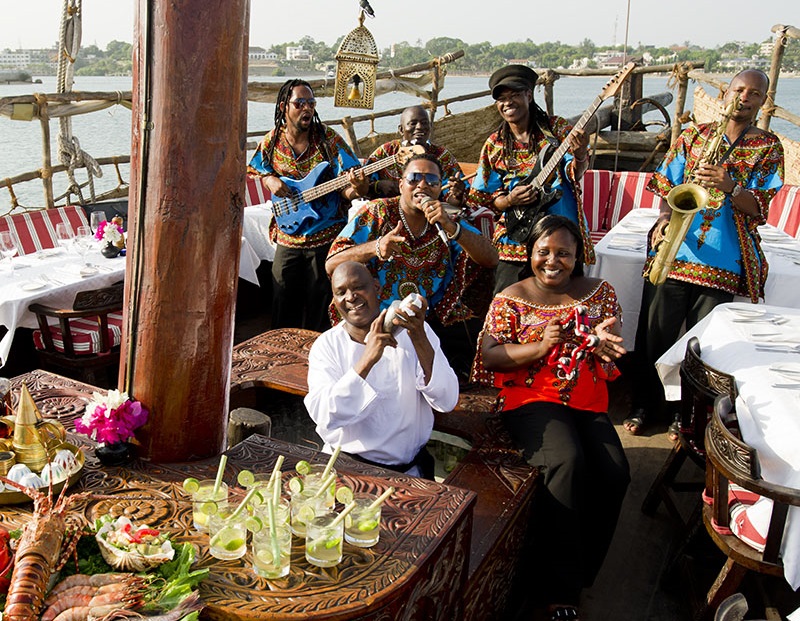
Other ideas being explored include chef’s table dining, street food tours in Nairobi, picnics in Nairobi National Park, and dhow dinner cruises along the coast in Mombasa.
Officials say the aim is to tie these experiences to Kenya’s agricultural identity, particularly its globally recognized tea and coffee industries.
A global shift in how people travel
Tourism experts say Kenya’s move mirrors a wider global trend in which food has become a primary reason for travel rather than a secondary activity.
For Kenya, the challenge now lies in packaging and presenting those experiences in a way that is accessible to international travellers, while ensuring local operators benefit from increased visibility.
The partnership will be integrated into the wider “Magical Kenya” digital ecosystem, as the country continues shifting travel planning and bookings online.
About the Author