
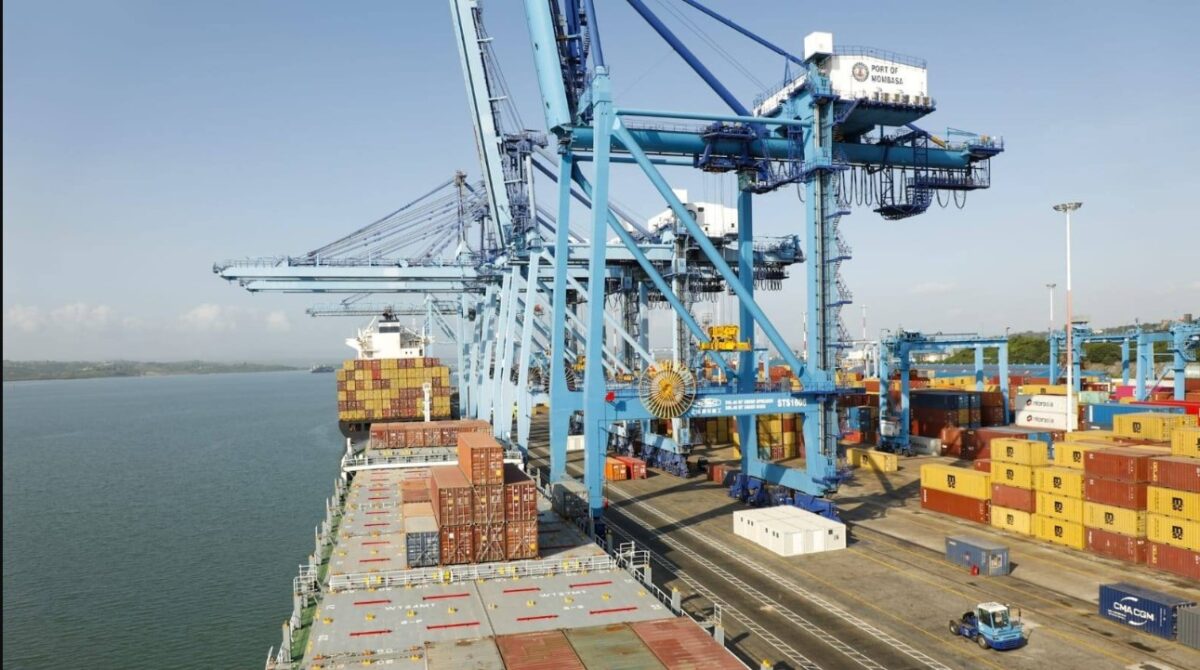
Kenya is betting on its oceans to unlock billions in economic value as it prepares to host a major global ocean conference in Mombasa thus turning Kenya to the sea with a bold economic promise.
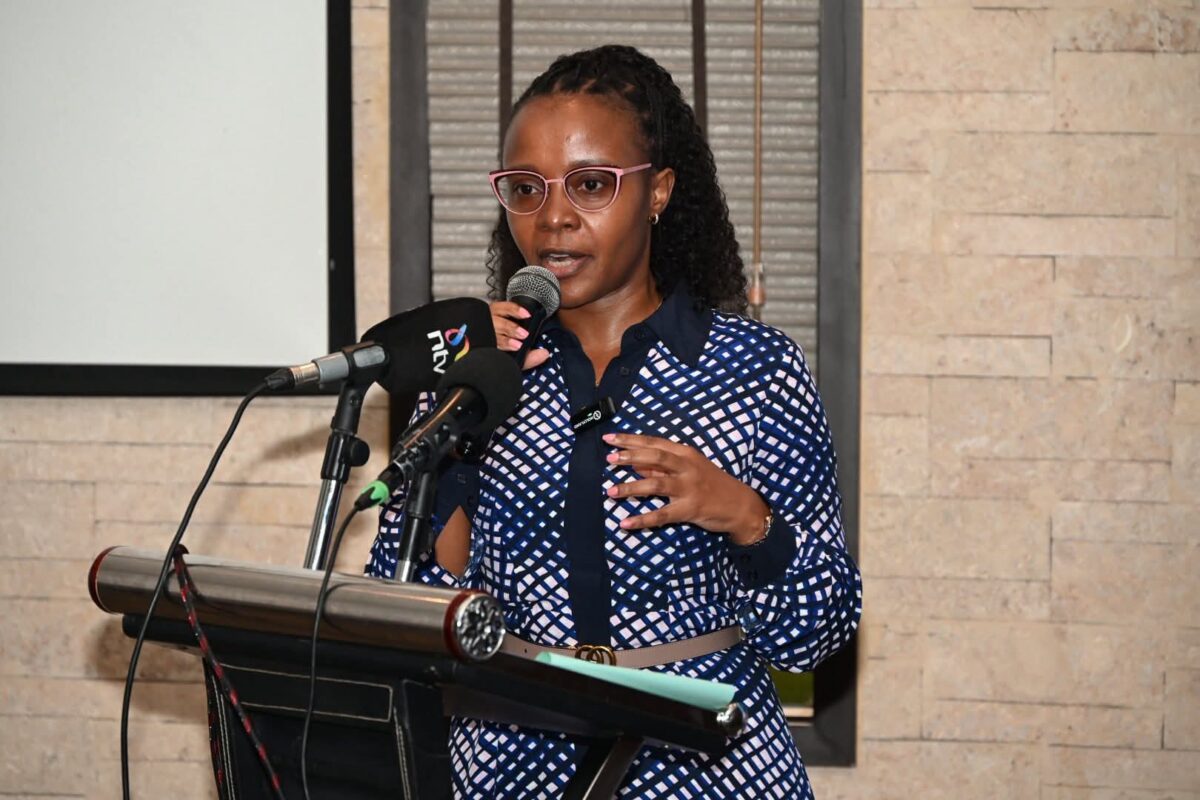
At a briefing in Nairobi, Blue Economy and Fisheries Principal Secretary Betsy Njagi said the country hopes to unlock as much as Sh350 billion from its blue economy as it prepares to host a major global ocean summit.
“The potential for a blue economy in Kenya is Sh350 billion. Currently, we have Sh39 billion,” Ms Njagi said. “You can see there’s about Sh300 billion that is still untapped.”
Mombasa to host first African edition of global ocean summit
Her remarks come ahead of the 11th UN Ocean Conference, which will be held in Mombasa from June 16 to 18. It will be the first time the gathering is staged on African soil.
Officials say more than 4,500 delegates are expected, including at least 20 ministers. The meeting will focus on issues ranging from marine pollution and climate change to fisheries, maritime security and protected ocean areas.
Kenya is presenting the conference as both a diplomatic milestone and an economic opportunity. The government says it wants to use the platform to attract investment into fisheries, aquaculture, maritime trade and coastal tourism.
Kenya pushes investment pitch in blue economy
The scale of that ambition is large, but the starting point is modest. Government data shows fisheries and aquaculture contribute less than 1% to GDP, even though millions of Kenyans depend on the sector for their livelihoods. Officials also estimate significant losses from illegal fishing and say infrastructure gaps continue to slow growth.
Maritime trade remains one of the stronger pillars, worth hundreds of billions of shillings annually. But congestion and ageing systems at key ports continue to weigh on efficiency.
Beyond fishing and shipping, Kenya is also pointing to emerging opportunities in offshore energy, coastal tourism and renewable sources such as wind and tidal power. Conservation projects, including community-led mangrove restoration, are also being showcased as models for climate-linked income.
The conference will be preceded by youth, academic and business forums expected to bring together researchers, investors and students. Government officials say a new national blue economy strategy will be presented in full during the event, alongside investment commitments.
Not all voices are focused on growth alone. Environmental groups, including the East African Wildlife Society, are urging stronger protections for marine ecosystems and tighter action against pollution.
“We need to place communities at the center of ocean governance,” said Nancy Ogonje of the society, warning that development must not come at the cost of coastal livelihoods or fragile ecosystems.
Kenya now finds itself trying to balance two pressures at once: the promise of a vast but underdeveloped ocean economy, and the risks that come with opening it up faster. The Mombasa summit will test how far those ambitions can move from promise to action.
About the Author