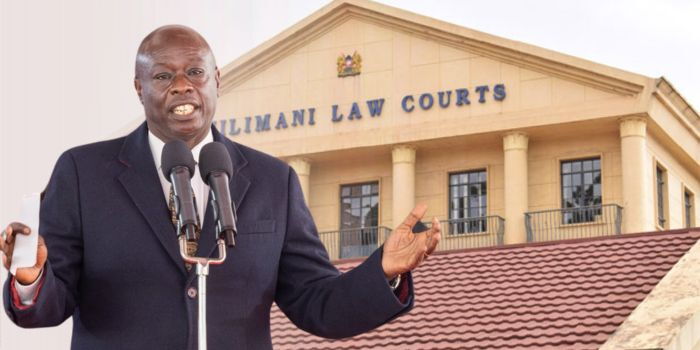
A political and legal drama that has gripped Kenya for nearly two years reaches a critical moment today, Monday when the High Court is expected to deliver its judgment on the impeachment of former Deputy President Rigathi Gachagua.
The ruling, expected from a three-judge bench sitting in Nairobi, will determine whether the Senate acted within the Constitution when it voted to remove Gachagua from office nearly 20 months ago. The decision is likely to have far-reaching implications for the limits of parliamentary power and the protection of constitutional rights during impeachment proceedings.
At the heart of the case is Gachagua’s claim that the process leading to his removal was unlawful. He argues that he was denied a fair hearing and that the constitutional requirements needed to impeach a deputy president were not fully met.
While he has since abandoned efforts to be reinstated, the former deputy president continues to seek compensation and damages, maintaining that the process violated his constitutional rights.
Speaking during a church service at PCA Mutero Church in Nairobi on Sunday, Gachagua struck a measured tone as he prepared for the verdict.
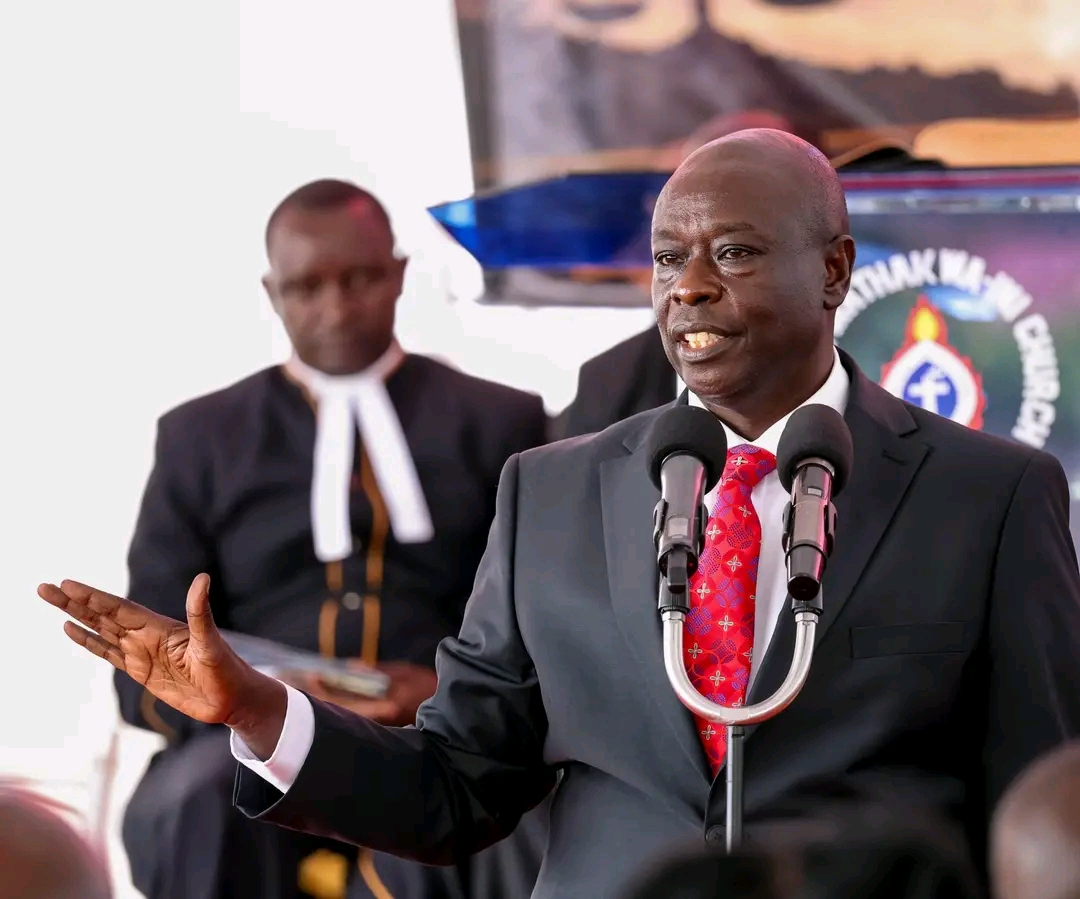
“We are ready for whatever outcome,” he said. “If the three judges rule that we were treated unfairly and against the law and the Constitution and lift the impeachment and let us be, we shall be grateful to God and we shall be very grateful that there is a justice system in Kenya that works.”
His remarks reflected both optimism and caution as supporters await a judgment that could either vindicate his claims or reinforce the Senate’s decision.
Appeal Remains an Option
Gachagua also made it clear that a loss in court would not mark the end of the legal battle.
“If the ruling goes the other way, it is still okay. We will still have an opportunity to go to the Court of Appeal and follow the legal remedies that have been provided by the Constitution,” he said.
The former deputy president used the occasion to urge restraint among his supporters, calling for calm regardless of the court’s findings.
“I ask my supporters to suppress their anger because we are peaceful people and we believe in doing things peacefully,” he said, adding that political disputes should ultimately be settled through democratic processes.
The case will be decided by Justices Eric Ogola, Anthony Mrima and Frida Mugambi, whose ruling is expected to provide clarity on key constitutional questions surrounding impeachment and due process.
Beyond Gachagua’s personal political future, the judgment is being closely watched by legal experts, politicians and civil society groups. For many, the decision will serve as an important test of Kenya’s constitutional order and the judiciary’s role in reviewing actions taken by Parliament.
A Verdict With Lasting Consequences
Whatever the outcome, Monday’s ruling is unlikely to bring a final end to the dispute. Instead, it may mark the beginning of another chapter in a legal and political contest that has become one of the most closely followed cases in recent Kenyan history.
About the Author