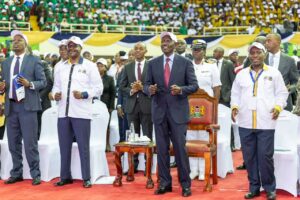
The home of the late Raila Odinga was filled with emotion on Monday as leaders of Gor Mahia Football Club paid a visit to present the club’s 20th Kenya Premier League title to the Odinga family.
Odinga, one of Kenya’s most influential political figures, served as the club’s patron for decades until his death in October 2025.
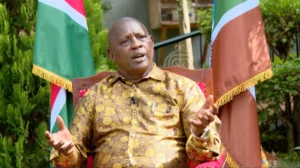
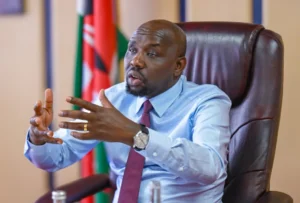
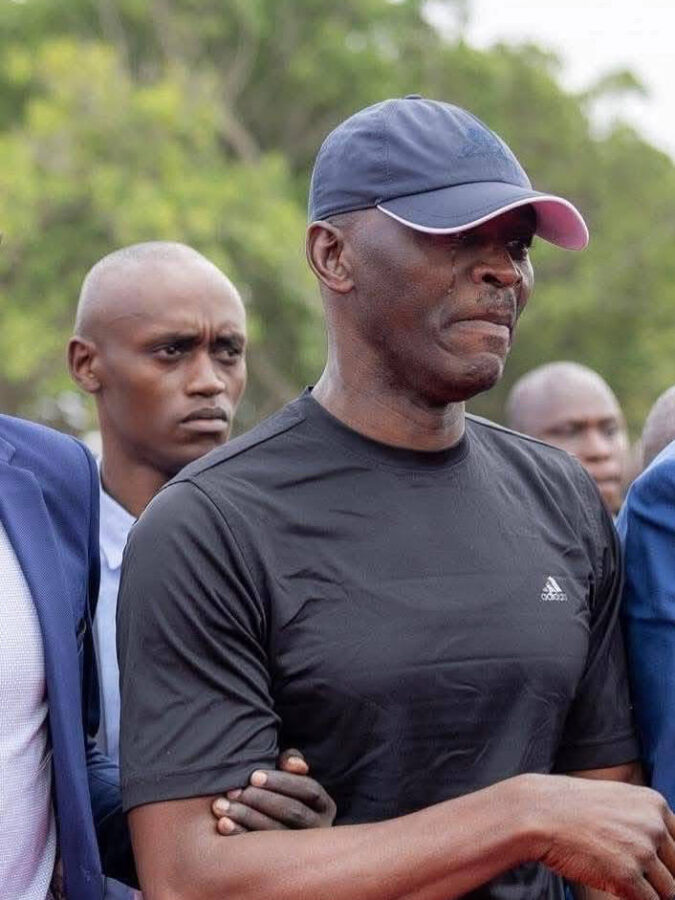
But it was not the trophy presentation that captured attention. Instead, it was a deeply personal account from Maurice Ogeta, Odinga’s longtime bodyguard, who spoke publicly about the veteran politician’s final moments while undergoing treatment in India.
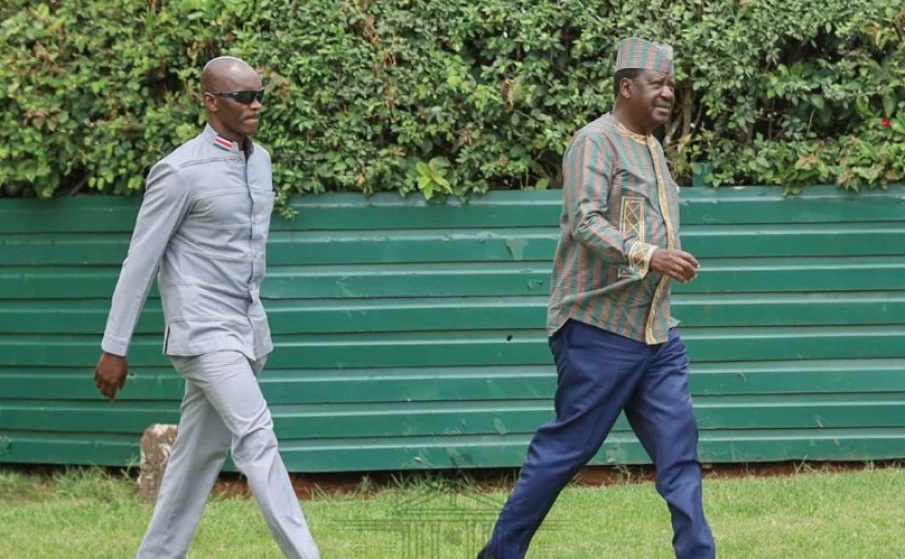
Ogeta’s recollection challenges a common assumption that the former Prime Minister died in a hospital bed. According to him, Odinga was taking part in his usual morning exercise routine when his life came to an end.
Speaking during the visit, Ogeta said he was alongside his boss at a villa where Odinga had been staying during treatment.
“The patron died walking. He did not die on bed. It was so unfortunate. I was just one metre away from him as we normally do our morning exercises,” Ogeta recalled.
He said the pair were walking around a small circuit measuring roughly 50 metres, a routine they had followed many times before.
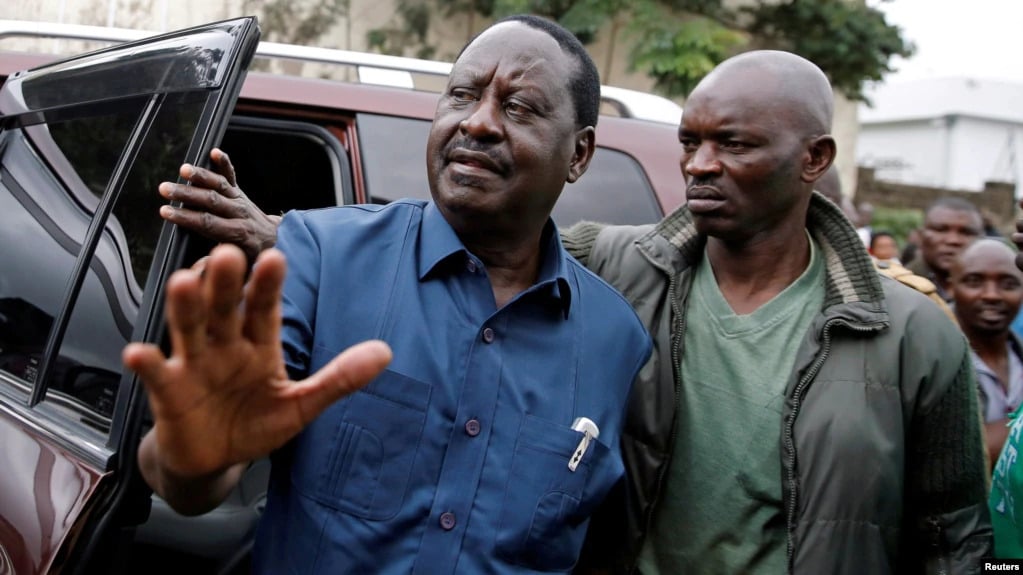
That morning, Odinga had reportedly set himself a modest goal.
“He told me that day we would do five rounds,” Ogeta said.
According to the bodyguard, the first lap passed without incident. Trouble emerged during the second round.
Ogeta said Odinga had covered only a short distance into the lap when he suddenly stopped.
He insisted there was no dramatic collapse.
“Most people think he fell down or he collapsed, but he just decided to stop and the next thing, he said nothing,” he said.
The moment left Ogeta alarmed. Sensing that something was wrong, he moved closer and asked whether his employer needed assistance.
What followed, he said, was brief and unforgettable.
“The only word he said was ‘aai’. And that was it.”
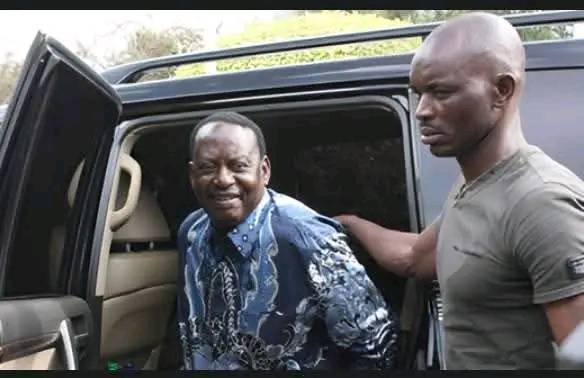
For Ogeta, who spent years at Odinga’s side through political campaigns, public rallies and private moments, the memory remains vivid.
His remarks offered a rare glimpse into the final chapter of a man whose political career spanned decades and helped shape modern Kenya. They also added a deeply human dimension to the story of a leader remembered by supporters as both a statesman and a symbol of political resilience.
About the Author