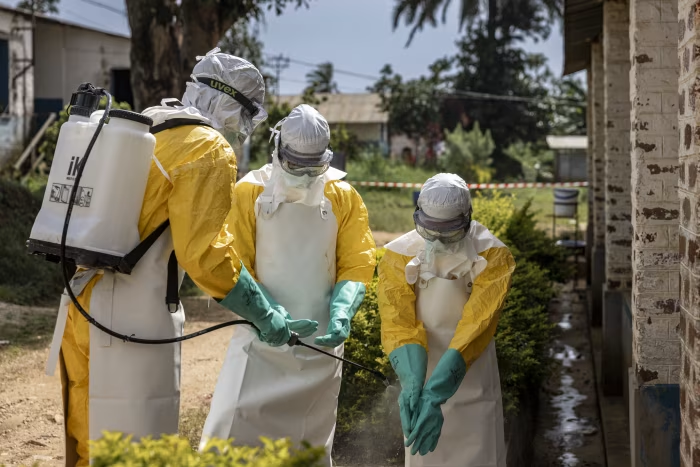
Church leaders in Kenya have come out strongly against government plans to host a facility linked to Ebola management, warning that the proposal could expose the country to serious health risks and was advanced without adequate public consultation.
In a statement, the Church and Clergy Association of Kenya (CCAK) said the plan to establish a quarantine arrangement for individuals exposed to Ebola should not proceed in its current form. The group argued that decisions involving highly infectious diseases must be handled with caution and openness.
“Ebola is a deadly disease that has the potential of harming Kenyans hence such decisions must be arrived at transparently,” the association said.
The clergy also raised concern over reports that the proposed facility would involve foreign nationals, saying Kenyans had not been fully involved in the discussions leading to the arrangement.
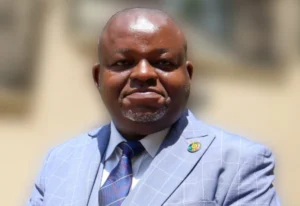
“The church is concerned that the government was planning to open a quarantine facility in Kenya for Ebola patients who are American citizens without the direct involvement and participation of Kenyans,” said the statement signed by CCAK chairman Bishop Hudson Ndeda.
The proposal, linked to a cooperation arrangement with the United States, includes reported funding of about $13.5 million (Sh1.7 billion) for Ebola preparedness efforts. Government officials have previously defended such partnerships as part of broader disease preparedness measures, particularly in response to outbreaks in neighbouring countries such as the Democratic Republic of Congo.
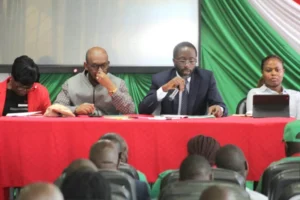
But the plan has triggered political and legal scrutiny. Lawmakers in the National Assembly’s Health Committee have summoned Health Cabinet Secretary Aden Duale to explain the details of the agreement, Kenya’s preparedness, and the safeguards in place.
The committee, chaired by Seme MP James Nyikal, has described the matter as urgent, citing possible implications for public safety and national sovereignty.
At the same time, a court order temporarily halted the establishment of the facility, a ruling the clergy welcomed as a necessary pause for further review.
Beyond the Ebola debate, the clergy also used their statement to criticise last week’s National Prayer Breakfast held at Safari Park Hotel, saying political leaders had overshadowed religious voices during the event.
They argued that national prayer platforms should be guided primarily by faith leaders rather than political figures.
“A national prayer day was done on May 28 at Safari Park Hotel and it was clearly not led by the clergy in this country,” said Bishop Ndeda. “We wish to remind the President and the parliamentarians that a national prayer day has to be inclusive.”
The association warned that increasing political presence in religious gatherings risks blurring the line between governance and faith. It called for future events to give clergy a more central role in leading national prayers.
“We urge politicians to respect the role of the church and the priesthood,” Ndeda added, “and in future include all churches in order to achieve the fruits of our prayer.”
As court proceedings continue and Parliament seeks clarity, the debate has widened beyond public health into questions of consultation, governance, and the role of religion in national life.
About the Author