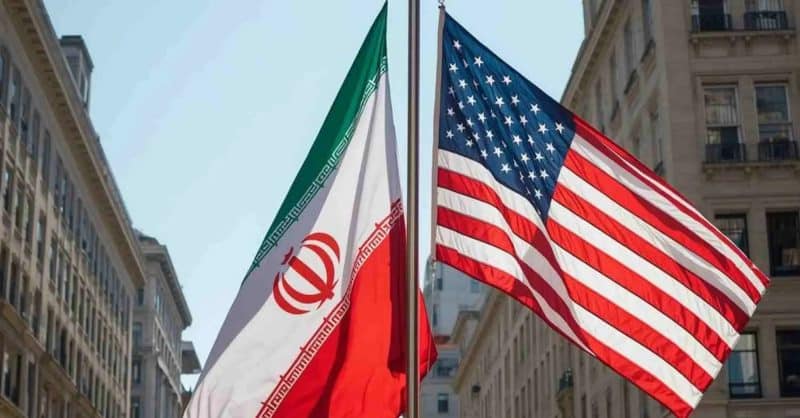
The uneasy ceasefire between the United States and Iran appeared increasingly fragile on Tuesday after Washington launched fresh strikes on military targets in southern Iran, saying the action was necessary to protect American forces in the Gulf.
US Central Command said American forces targeted missile sites and vessels believed to be preparing naval mines near Bandar Abbas, the strategic Iranian port that overlooks the Strait of Hormuz, one of the world’s most critical shipping routes.
American officials described the operation as defensive. Capt Tim Hawkins, a spokesperson for Central Command, said the strikes were carried out “to protect our troops from threats posed by Iranian forces”.
He added that the US military was continuing to act “with restraint during the ongoing ceasefire”.
Iranian authorities did not immediately respond to the latest strikes. Earlier in the day, however, Tehran signalled that negotiations aimed at ending months of conflict were moving slowly.
Esmail Baqai, spokesperson for Iran’s foreign ministry, acknowledged that progress had been made in talks with Washington, but warned that a breakthrough remained distant.
“To say that the signing of an agreement is imminent, no-one can make such a claim,” he said.
The renewed violence comes at a delicate moment in diplomacy. Senior officials from Iran, Qatar and the United States are expected to continue indirect negotiations this week as international mediators attempt to prevent the conflict from widening further across the Middle East.
Speaking during a visit to India, US Secretary of State Marco Rubio insisted that diplomacy was still possible despite the latest military action.
“We’ll see if we can make progress,” Rubio told reporters. “There’s a lot of discussion over the wording of the initial document, so it may take a few days.”
Rubio also defended Washington’s position in the Gulf, arguing that freedom of navigation through the Strait of Hormuz could not be compromised.
“The straits have to remain open,” he said. “What’s happening there is unlawful, unsustainable and unacceptable.”
Residents in Bandar Abbas reported hearing explosions overnight, according to Iranian state media, which said local authorities were investigating the incidents.
The Strait of Hormuz has become the central flashpoint in the confrontation. Nearly a fifth of the world’s oil supply passes through the narrow waterway, and fears of disruption have already rattled global energy markets.
The current conflict began on 28 February when the US and Israel launched coordinated strikes on Iranian targets, prompting retaliatory attacks from Tehran against Israel and Gulf states allied with Washington. Iran later tightened control over shipping routes in the Gulf, sending oil prices sharply higher.
Although a ceasefire has technically been in place since 8 April, tensions have remained high. Earlier this month, American and Iranian naval vessels were involved in a confrontation in the Strait of Hormuz, with both sides accusing the other of provocation.
Behind the scenes, negotiators are still attempting to secure a broader agreement. Diplomats familiar with the discussions say proposals under consideration include extending the ceasefire by 60 days, reopening shipping lanes and resuming talks over Iran’s nuclear programme.
The nuclear issue remains one of the most contentious points. Western officials believe Iran still possesses a substantial stockpile of uranium enriched to near weapons-grade levels. Tehran has long maintained that its nuclear programme is intended for civilian purposes.
President Donald Trump said on Monday that Iran’s enriched uranium should either be handed over to the United States or destroyed under international supervision.
“He’s either going to make a good deal or no deal,” Rubio said of the president’s position.
About the Author