A fresh wave of Ebola infections in central and eastern Africa has drawn urgent international support, with the Gates Foundation committing more than Ksh1.94 billion ($15 million) to help contain the outbreak in the Democratic Republic of Congo (DRC) and Uganda.
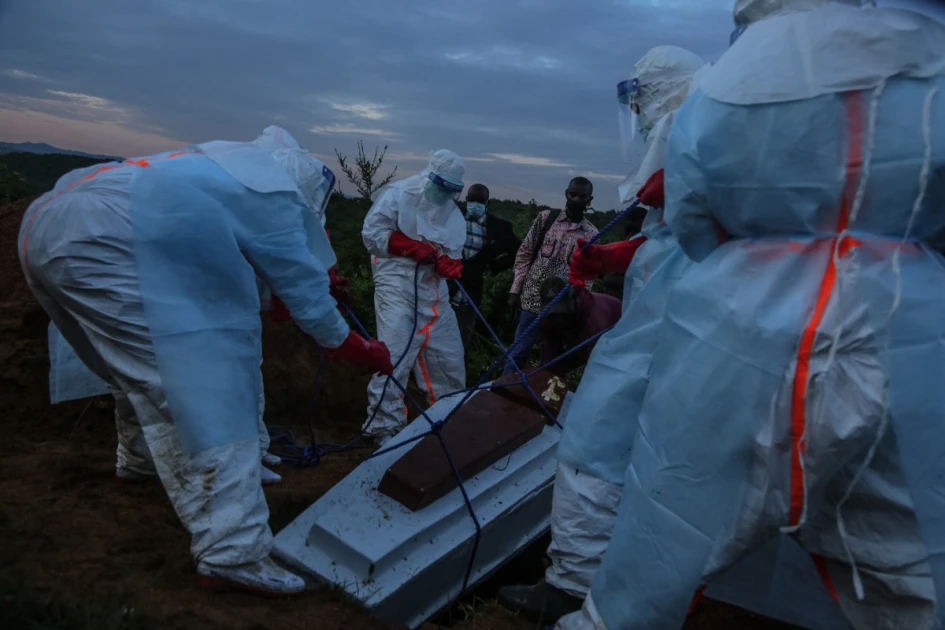
The funding comes as health authorities race to slow the spread of the virus, which has already claimed hundreds of lives in parts of the DRC and crossed into neighbouring Uganda.
In a statement, the foundation said the money would be channelled “as close to affected countries and communities as possible,” signalling a focus on frontline response rather than distant administration.
Of the total package, about Ksh647 million ($5 million) will go to the Africa Centres for Disease Control and Prevention, or Africa CDC, to strengthen coordination across borders, support rapid deployment teams, and improve surveillance in high-risk areas.
Another portion will support the World Health Organization’s regional operations in Africa, with additional funds directed to WHO headquarters in Geneva. The aim, officials said, is to speed up procurement of diagnostic tools, improve logistics, and reinforce emergency response systems in affected countries. The World Health Organization has been coordinating much of the international response.
The outbreak was declared in the DRC on 15 May, driven by the Bundibugyo strain of Ebola, which health experts note has no widely approved vaccine or specific treatment. Ugandan authorities have also confirmed a small number of cases, raising concern about cross-border transmission in densely connected regions.
According to DRC health officials, more than 200 deaths have been recorded from around 900 suspected infections across several provinces. Uganda, meanwhile, has confirmed a handful of cases, with health agencies warning that the situation could evolve quickly if containment efforts falter.
“Rapid detection, strong public health measures, protection of frontline workers, and coordinated action are essential to stop further transmission,” the Gates Foundation said in its statement.
Health workers across the region continue to face difficult conditions, including limited supplies and the constant risk of infection. International partners, including the United Kingdom, have also pledged additional funding to support WHO-led operations and humanitarian agencies on the ground.
For communities already grappling with uncertainty, the new funding signals an intensifying global effort to prevent a wider regional health crisis.
About the Author