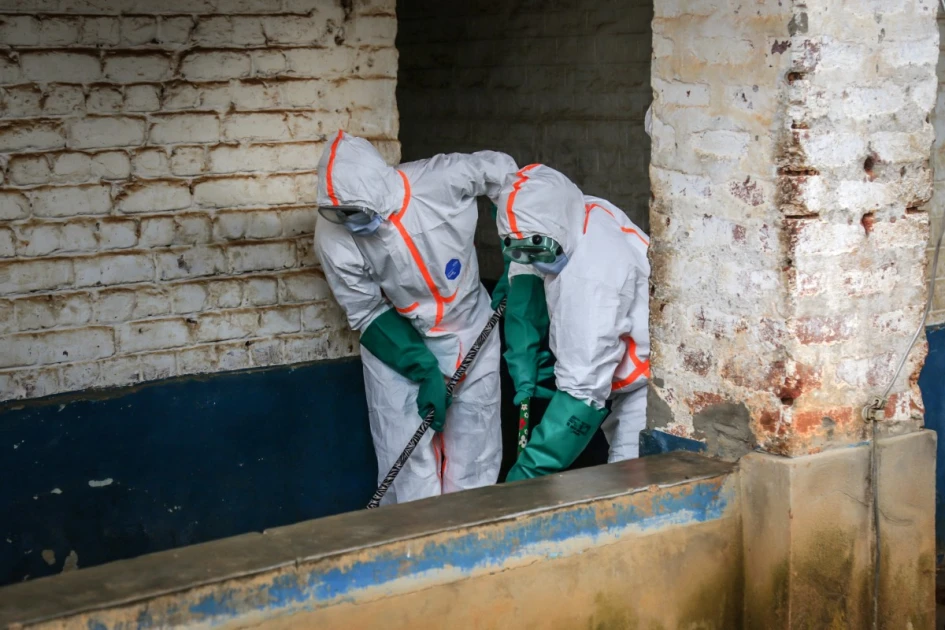
The Ebola outbreak in the Democratic Republic of Congo is growing rapidly, with the World Health Organisation warning that suspected infections have now surpassed 900.
In a statement released on Sunday, WHO Director-General Tedros Adhanom Ghebreyesus said health teams had identified more than 900 suspected cases since surveillance efforts were expanded across affected areas.
“So far, 101 cases have been confirmed,” he wrote in a post on social media, adding that investigations were continuing as health workers trace possible infections in several communities.
The outbreak, officially declared on May 15, has spread through parts of the conflict-hit central African nation, placing further strain on an already fragile healthcare system. According to figures released earlier by Congo’s health ministry, at least 204 people had died from 867 suspected cases recorded across three provinces.
Ebola is a highly infectious disease transmitted through direct contact with bodily fluids. Symptoms often begin with fever and weakness before worsening into severe bleeding, organ failure and, in many cases, death.
This latest outbreak has raised fresh concern because it involves the Bundibugyo strain of the virus, a rarer form of Ebola for which there is currently no approved vaccine or specific treatment.
Health officials say insecurity in eastern and central parts of the country is making it harder for medical teams to reach affected communities quickly. Some treatment centres have also faced resistance from frightened residents who fear isolation measures or mistrust authorities after years of violence and instability.
The Democratic Republic of Congo has faced repeated Ebola outbreaks over the past decade. Public health experts say the country’s experience dealing with the disease may help slow the spread, but they warn that limited resources and ongoing conflict remain major obstacles.
The WHO has urged neighbouring countries to strengthen border screening and emergency preparedness as regional fears grow over possible cross-border transmission.
Ebola has claimed more than 15,000 lives across Africa over the past 50 years, according to WHO data, with some of the deadliest outbreaks recorded in West and Central Africa.
About the Author