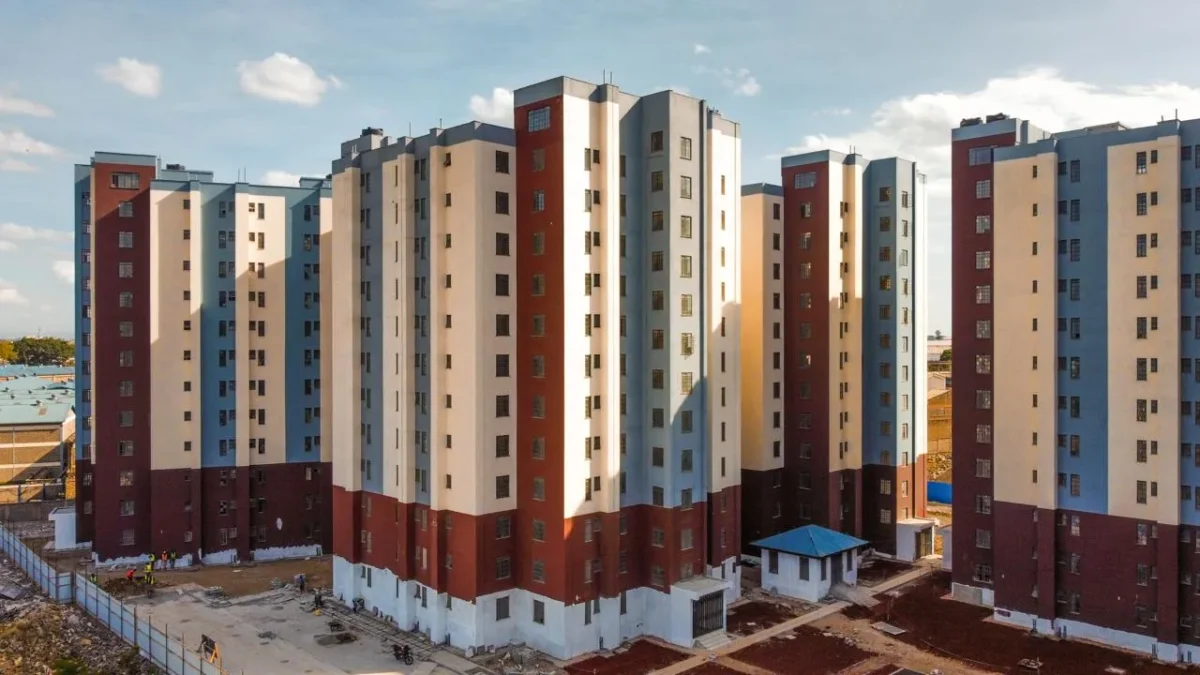
President William Ruto on Monday stood before an audience of global leaders, urban planners and development experts in Azerbaijan and delivered a confident defence of Kenya’s controversial but ambitious affordable housing programme, describing it as a national mission aimed at restoring dignity, creating jobs and narrowing inequality.
Addressing the opening session of the 13th World Urban Forum in Baku, Dr Ruto said Kenya had built 273,000 housing units within three years under his administration, with 8,000 families already settled in completed homes.
The president used the international gathering to frame housing not simply as a government project, but as a social and economic necessity for rapidly growing African cities struggling with unemployment, informal settlements and widening gaps between rich and poor.
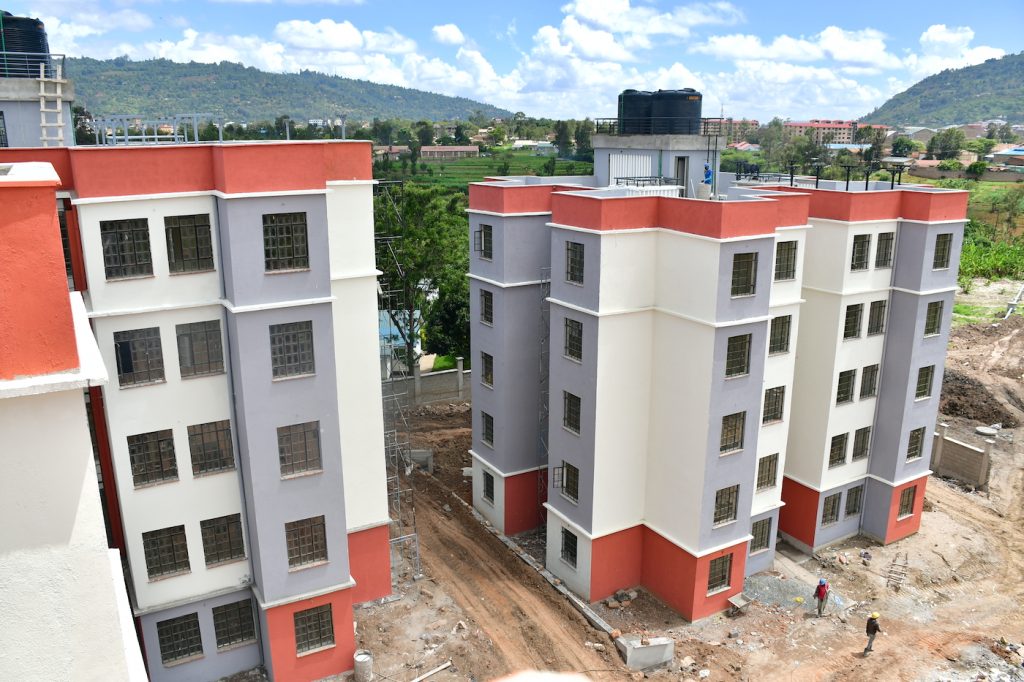
“Housing is about human dignity,” Dr Ruto told delegates gathered at the Baku Convention Centre. “Every family deserves a safe and decent place to live regardless of income.”
He said Kenya’s approach was anchored in the belief that decent shelter should not remain the preserve of the wealthy, citing Article 25 of the Universal Declaration of Human Rights, which recognises housing as part of the right to an adequate standard of living.
The remarks placed Kenya’s affordable housing agenda firmly on the global stage at a time when the programme continues to generate intense debate back home.
While the government has promoted the initiative as a solution to Kenya’s growing urban housing crisis, critics argue that the project has become financially burdensome for ordinary citizens already grappling with high taxes, expensive fuel and a rising cost of living.
The mandatory housing levy introduced to help finance the programme has drawn resistance from trade unions, civil society groups and opposition politicians, many of whom question whether workers can sustain further deductions from shrinking pay packets.
But in Baku, Dr Ruto focused heavily on the programme’s broader economic impact.
He argued that the housing drive had become a major source of employment for young Kenyans, especially in construction and manufacturing sectors that have struggled to absorb the country’s growing labour force.
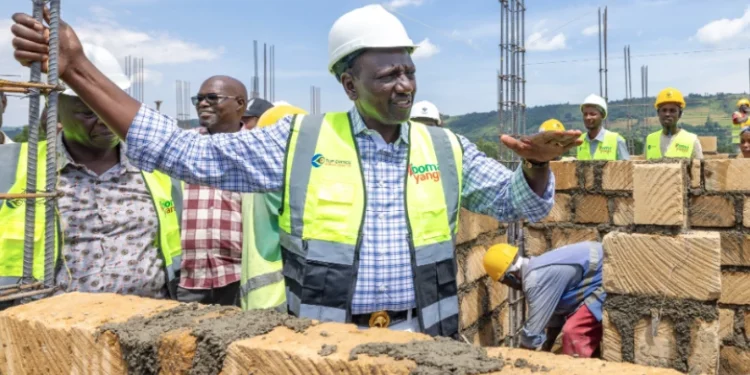
Government officials say thousands of jobs have emerged through ongoing projects across counties, ranging from engineers and architects to casual labourers, electricians, transporters and suppliers of building materials.
The president also linked housing directly to urban stability, warning that unmanaged urbanisation across Africa could fuel deeper inequality, insecurity and social frustration.
“Africa is urbanising very quickly,” he said. “Without proper planning, cities can become centres of exclusion rather than engines of opportunity.”
Kenya’s urban population has expanded steadily over the past two decades, placing enormous pressure on housing, sanitation, transport and public services. In Nairobi and other major towns, rising rent prices and the spread of informal settlements have become defining political and economic concerns.
The government estimates the country faces a housing deficit of more than two million units, with demand continuing to rise each year.
The World Urban Forum, convened by the United Nations Human Settlements Programme (UN-Habitat), is regarded as one of the world’s most influential conferences on sustainable urban development. Leaders attending this year’s meeting are expected to discuss housing finance, climate resilience, urban migration and inclusive city planning.

Kenya has increasingly sought to position itself as a regional leader in affordable housing policy, presenting its programme as a model for other developing nations facing similar urban pressures.
Still, questions remain over whether the homes being built will genuinely remain affordable to low and middle-income earners.
Some analysts have argued that while construction numbers are rising, ownership may remain out of reach for many Kenyans facing stagnant wages and persistent inflation. Others have raised concerns over transparency in allocation and financing structures.
Even so, the administration appears determined to maintain housing at the centre of its development agenda. For Dr Ruto, the message in Baku was both political and symbolic: Kenya intends to continue building despite criticism, economic strain and growing public scrutiny at home.
About the Author