
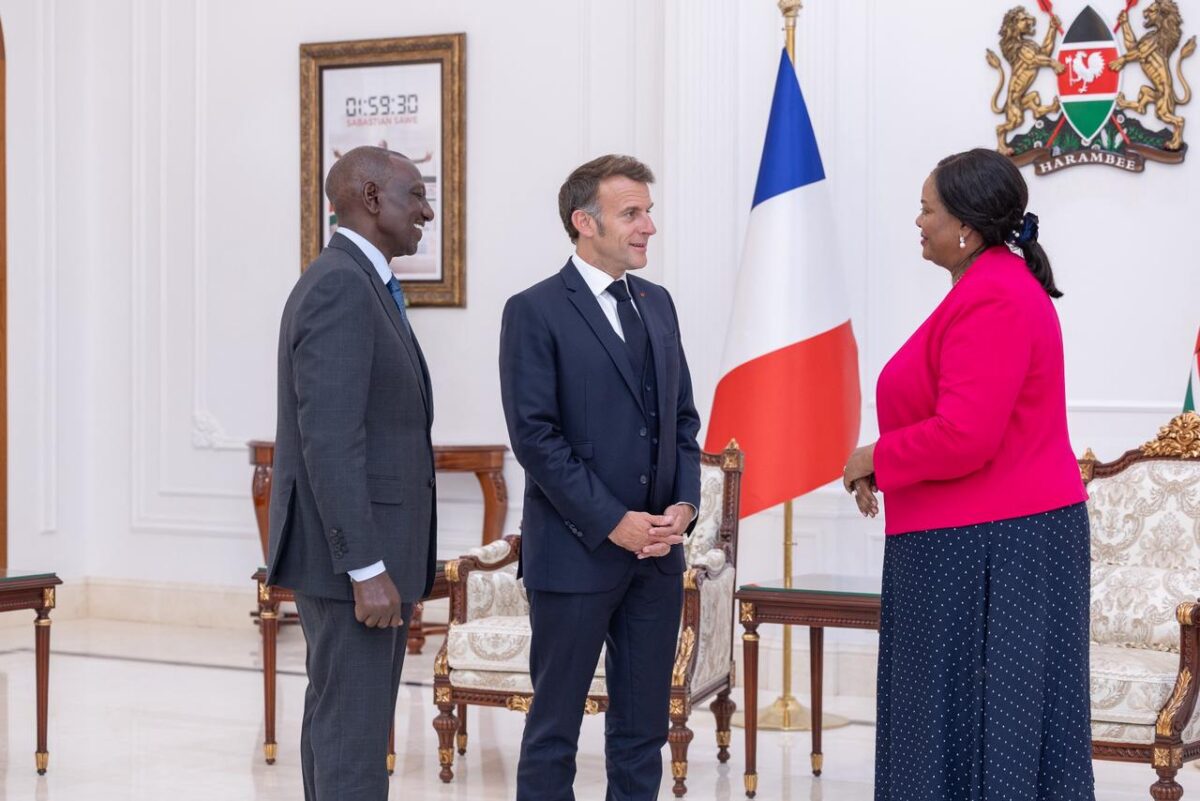
William Ruto has stepped up Kenya’s campaign to secure a seat at the International Criminal Court for Njoki Ndung’u, using high-level diplomatic meetings in Nairobi to rally support for her candidacy ahead of elections later this year.
The vote for new judges to the Hague-based court is expected to take place in December during the 25th Assembly of State Parties in New York, where member countries to the Rome Statute will choose judges to serve on the world’s highest war crimes tribunal.
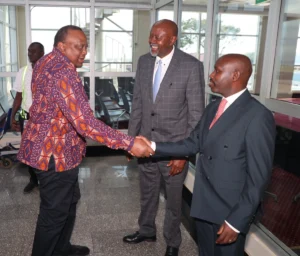
In recent days, Mr Ruto has personally introduced Justice Ndung’u to visiting heads of state attending the Africa Forward Summit in Nairobi. Among those he met were Emmanuel Macron, Alassane Ouattara, Joseph Boakai and Julius Maada Bio.
The diplomatic effort reflects the importance Kenya has attached to the race, which has drawn candidates from across several regions. Justice Ndung’u is competing against nominees from Ghana, Switzerland, Uganda, Tanzania, Colombia and Japan.
A long-serving jurist, Justice Ndung’u is widely known in Kenya for her role in shaping laws on gender-based violence. Before joining the Supreme Court, she spearheaded the Sexual Offences Act, legislation credited with strengthening legal protections for survivors of sexual violence and abuse.
She was also involved in the development of the Maputo Protocol, the African Union treaty focused on women’s rights across the continent.
Under ICC election rules, Justice Ndung’u falls under Category A, reserved for candidates with recognised experience in criminal law and criminal proceedings.
Supporters of her candidacy argue that her judicial experience and legal reform record make her well suited for the role. During her years on Kenya’s apex court, she has taken part in several landmark rulings that shaped constitutional and governance debates in the country.
If elected, she would become only the second Kenyan judge to sit at the ICC after Joyce Aluoch, who served at the court between 2009 and 2018.
The ICC, established under the Rome Statute in 2002, handles cases involving war crimes, crimes against humanity and genocide. Kenya’s relationship with the court has at times been politically sensitive, particularly following cases linked to the country’s 2007 post-election violence.
Still, Kenya appears determined to present Justice Ndung’u’s candidacy as part of a broader effort to strengthen Africa’s representation within international legal institutions.
About the Author