The Kenyan Network of Cancer Organizations has unveiled an ambitious roadmap for the next decade, focusing on patient-centered care, data-driven advocacy, and expanded access to cancer services across the country.
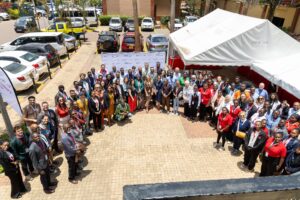
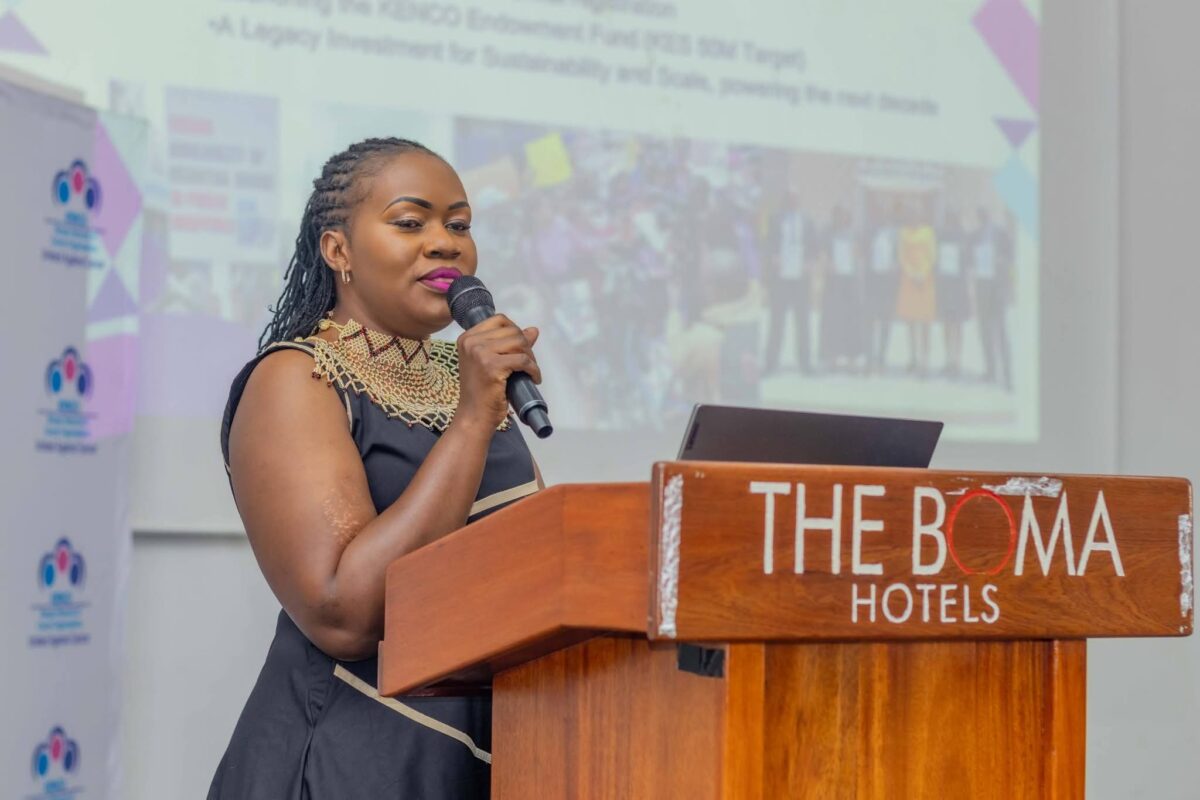
During the 10th anniversary celebrations in Nairobi, KENCO Executive Director Phoebe Ongadi set the tone with a powerful reflection on the organization’s journey and a bold outlook for the future.
“We are here because the future of KENCO lies in what we build together. Tonight, we are here because that future lies in your hands and it starts now,” Ongadi said.
She noted that over the past 10 years, KENCO has grown into a nationally recognized umbrella body championing cancer awareness, advocacy, and community engagement, earning global recognition for its innovative approaches.
Ongadi emphasized that the next phase of KENCO’s work will focus on building a “product-driven cancer ecosystem” with scalable solutions that partners can fund and co-implement across Kenya and beyond.
A key priority, she said, is addressing the challenge of late cancer diagnosis, revealing that approximately 75 percent of cancer cases in Kenya are detected at advanced stages.
“We need to do a lot of work in early diagnosis. Early detection is the difference between life and death,” she said.

To tackle this, KENCO is scaling up mobile cancer screening services and strengthening linkages between awareness, screening, and treatment. Ongadi highlighted ongoing efforts by member organizations, including mobile clinic initiatives that are already bringing services closer to communities.
Beyond screening, the organization is also exploring cutting-edge approaches such as genomics and precision medicine to improve access to targeted and affordable cancer care.
“We are looking at affordable genomic testing and precision oncology access to position Kenya and Africa as leaders in cancer data and innovation,” she added.
Central to KENCO’s strategy is the establishment of a Cancer Advocacy Academy, which will train patient navigators, community health workers, survivors, and advocates.
She underscored the critical role of cancer survivors, describing them as an untapped resource in strengthening the healthcare system.
“Cancer survivors, by default, become patient navigators. They understand the system, the journey, and the needs. We want this to be institutionalized and recognized,” she said.
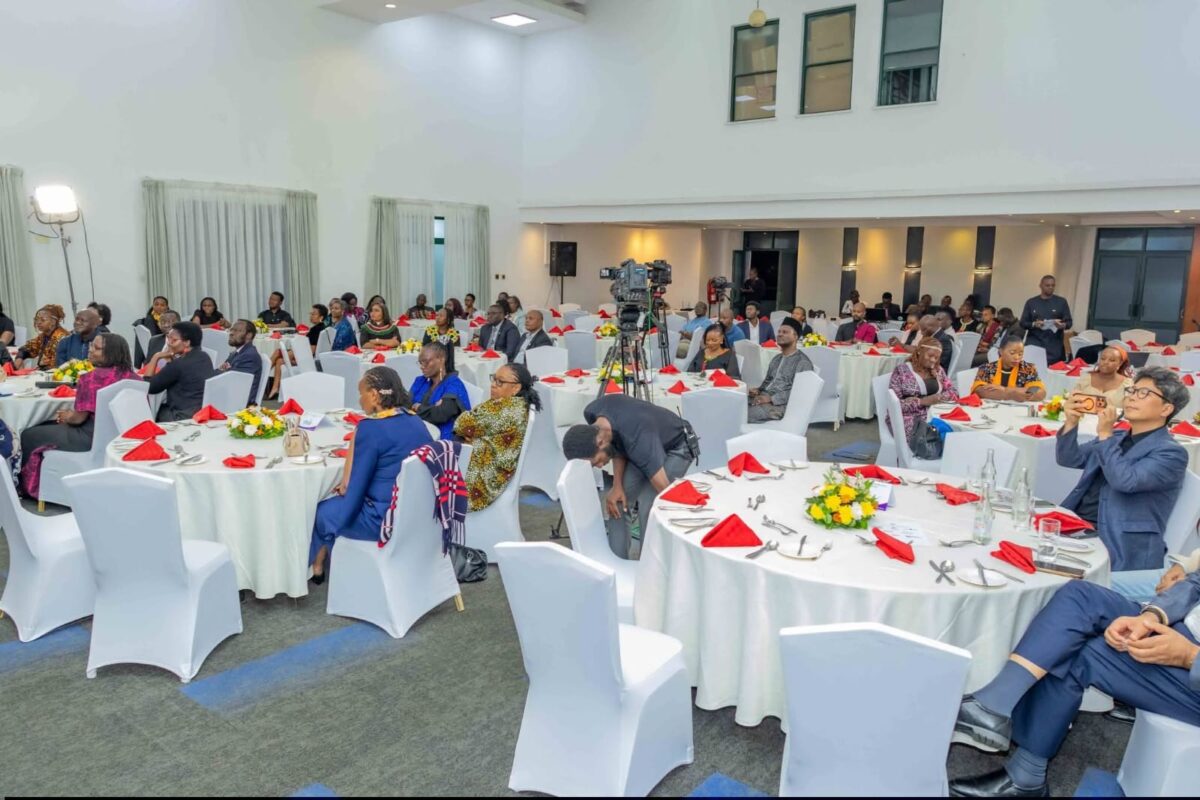
KENCO also plans to roll out a comprehensive patient navigation and survivorship care system to support individuals from diagnosis through treatment and recovery, including psychosocial and rehabilitation services.
Ongadi stressed the importance of data in shaping effective advocacy and policy interventions, noting that KENCO is investing in digital infrastructure to track patient journeys, capture survivorship data, and generate insights.
“We were told clearly that talks without data will not take us anywhere. That is why we are prioritizing data systems to inform policy and improve outcomes,” she explained.
To improve access and affordability, KENCO is also working on a coordinated supply and advocacy platform linked to referral hospitals, ensuring patients can access essential items and treatment support.
“We want a system where a patient who undergoes surgery immediately gets the support they need. Affordability remains a major barrier,” Ongadi said, citing the high cost of basic supplies such as stoma bags.
As part of the celebrations, KENCO recognized and awarded several partners for their outstanding contributions to cancer advocacy, patient support, and community engagement, underscoring the importance of collaboration in driving impact.
Ongadi concluded with a rallying call for stakeholders to support KENCO’s vision for the next decade.
The event’s chief guest, Prof. Peter Anyang’ Nyong’o, the Governor for Kisumu county, echoed these sentiments, calling for urgent and coordinated action to address what he described as a growing national crisis.
He emphasized that the scale of the challenge requires urgency, empathy, and shared responsibility across all sectors.
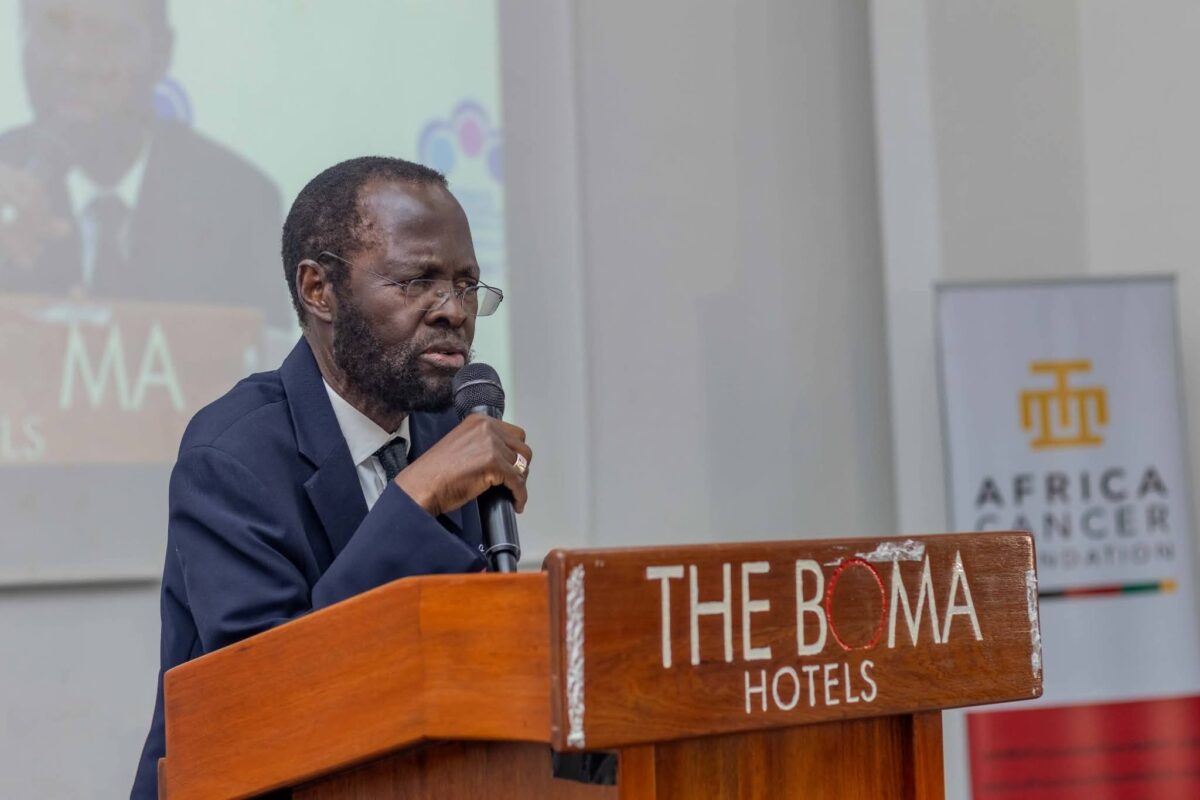
“That reality demands not indifference, but urgency, empathy, and shared responsibility,” he added.
Drawing from his personal experience, Nyong’o highlighted the human dimension of cancer, noting that it goes beyond a medical condition to affect dignity, access, and equity.
“Cancer is not just a medical condition, it is a human experience that tests dignity, exposes gaps in access, and challenges equity,” he said.
The governor also called for improved communication within the medical profession, urging healthcare providers to adopt more transparent and compassionate approaches when dealing with patients.
“Cancer is like any other illness. Let us not treat it as a death sentence. Patients deserve honesty, dignity, and proper care,” he said.
Nyong’o stressed the importance of data-driven decision-making, warning that without accurate data on cancer prevalence and mortality, effective interventions would remain out of reach.
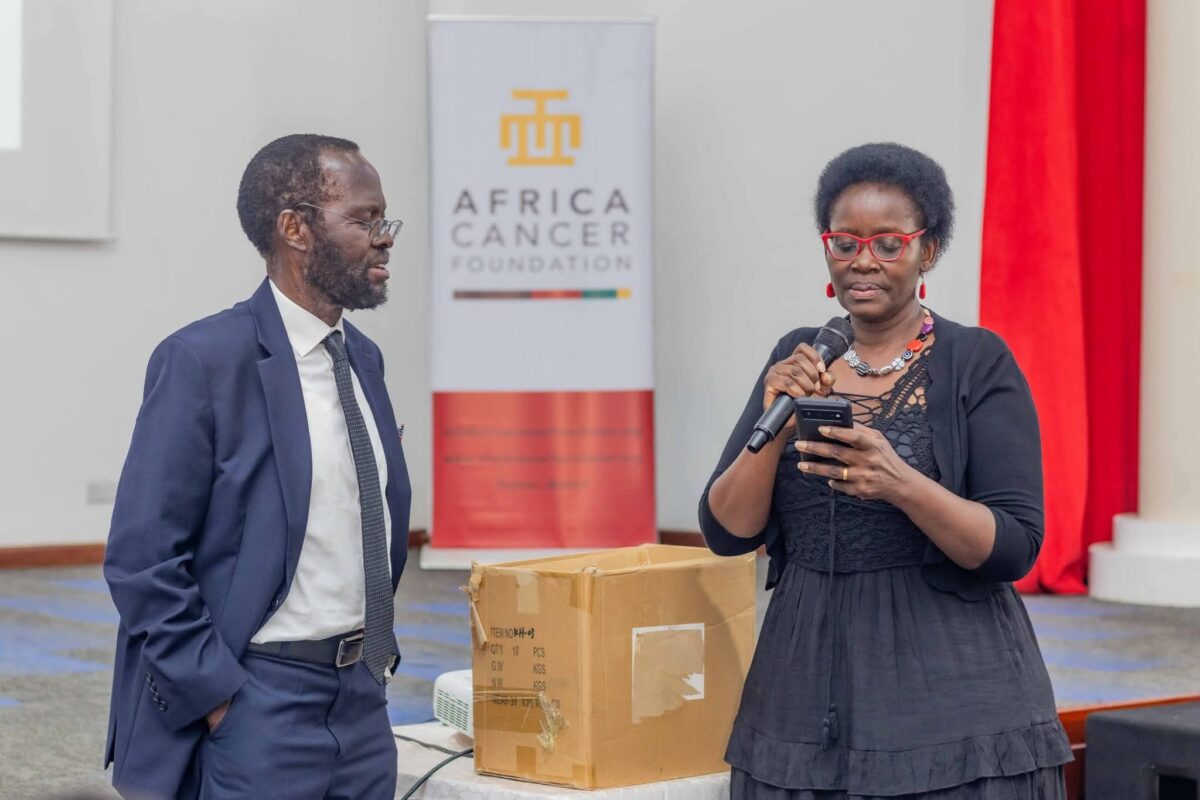
While acknowledging KENCO’s growth, from 13 founding organizations to a network of over 70 members, he noted that significant challenges remain, including late diagnosis, inequality in access to care, and the financial burden on families.
“Too many people are still diagnosed too late, and many families are pushed into financial distress. Too many lives are still being lost to cancers that can be prevented, detected early, and treated,” he said.
He called for increased investment in prevention, screening, and early detection, emphasizing that timely action is often more critical than advanced technology.
“In many cases, the difference between life and death is not advanced technology, but timely action,” he noted.
Nyong’o urged stakeholders to view cancer as not only a health issue but also a development and equity concern.
He called for stronger collaboration between government, civil society, private sector players, and development partners to ensure sustainable progress.
“Government must work hand in hand with civil society. The private sector must step forward not only as donors, but as partners in nation-building,” he said.
Addressing corporate leaders, Nyong’o described support for cancer initiatives as a strategic investment.
He reaffirmed his commitment to strengthening cancer care, highlighting ongoing initiatives in Kisumu, including the unveiling of the Jung Yeon-un Cancer Centre.
Developed in partnership with the Africa Smart Cities and Townships Alliance and Korean collaborators, the facility is expected to serve thousands across the Lake Victoria region.
“This centre will provide integrated services from early diagnosis to rehabilitation, delivered with dignity and compassion,” Nyong’o said.
He also announced plans for a pilot programme on blood-based early cancer detection, aimed at improving diagnosis and patient outcomes.
Nyong’o concluded by urging all Kenyans to take collective responsibility in the fight against cancer.
“Let us commit to a future where no Kenyan faces cancer alone. Together, we can turn hope into lasting impact,” he said.
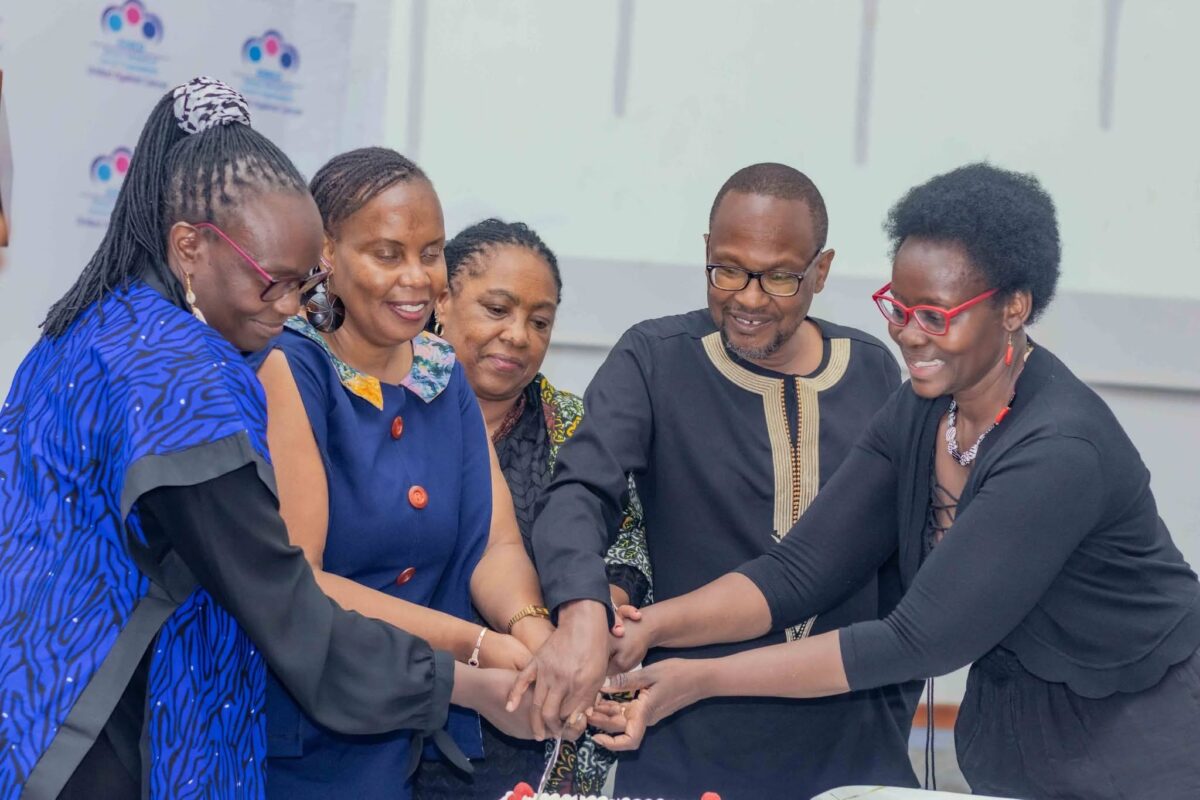
As KENCO enters its second decade, both leaders emphasized that the path forward will require unity, innovation, and sustained commitment to ensure that cancer care in Kenya becomes more accessible, equitable, and patient-focused.
About the Author