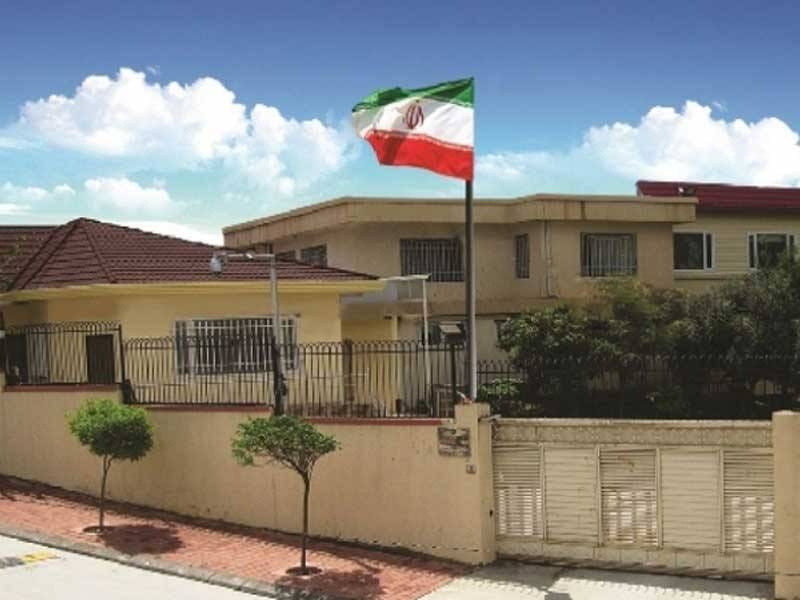
The Embassy of the Islamic Republic of Iran in Nairobi has dismissed reports suggesting the closure of the Strait of Hormuz, affirming that maritime traffic remains ongoing despite heightened regional tensions.
In a press release issued on March 27, 2026, the embassy’s Public Diplomacy Department clarified the legal, operational, and security dynamics affecting one of the world’s most critical shipping routes.
Iran Blames US and Israel for Maritime Instability
The statement attributes the current “unsafe, volatile, and unpredictable” maritime environment to what it describes as illegal military aggression by the United States and Israel, allegedly supported by third-party states in the Persian Gulf.
According to the embassy, these actions violate Article 2(4) of the United Nations Charter, which prohibits the use of force against the territorial integrity or political independence of any state.
The statement further claims that such actions are already undermining maritime safety, security, and global shipping operations.
Strait of Hormuz Remains Open, Iran Reaffirms
Despite the tensions, Iran maintains that navigation through the Strait of Hormuz has not been suspended.
The embassy emphasized that Iran remains committed to the principle of freedom of navigation and has formally communicated its position to the International Maritime Organization.
The waterway continues to facilitate international maritime traffic, though subject to safety measures and considerations linked to the prevailing wartime conditions.
Iran outlined specific conditions under which vessels can safely transit the Strait of Hormuz.
Non-belligerent ships are allowed passage provided they do not support ongoing hostilities, comply with established safety protocols, and coordinate in advance with Iranian authorities.
The embassy stressed that vessels linked to parties it considers aggressors may not qualify as normal transit traffic and could be subject to measures under the legal framework governing armed conflict.
The embassy strongly rejected what it termed as “false claims” and “biased media propaganda” suggesting the closure of the Strait of Hormuz.
Iran concluded by asserting that any disruption or insecurity in the Strait of Hormuz lies with the United States and Israel, accusing them of endangering both regional stability and international shipping through their actions.
About the Author